01·Gallery
Served 1,000,000+ concurrent users at peak
Requests routed to Songkhla agencies & the government’s BDI
Crisis web app that served 1,000,000+ concurrent users during the Hat Yai floods.
Peak simultaneous users during the late-2025 floods, as reported by the project team
Khaosod English estimate (27 Nov 2025) across Songkhla, Nakhon Si Thammarat, Phatthalung, Trang, Satun, Pattani, Yala, Narathiwat and Surat Thani
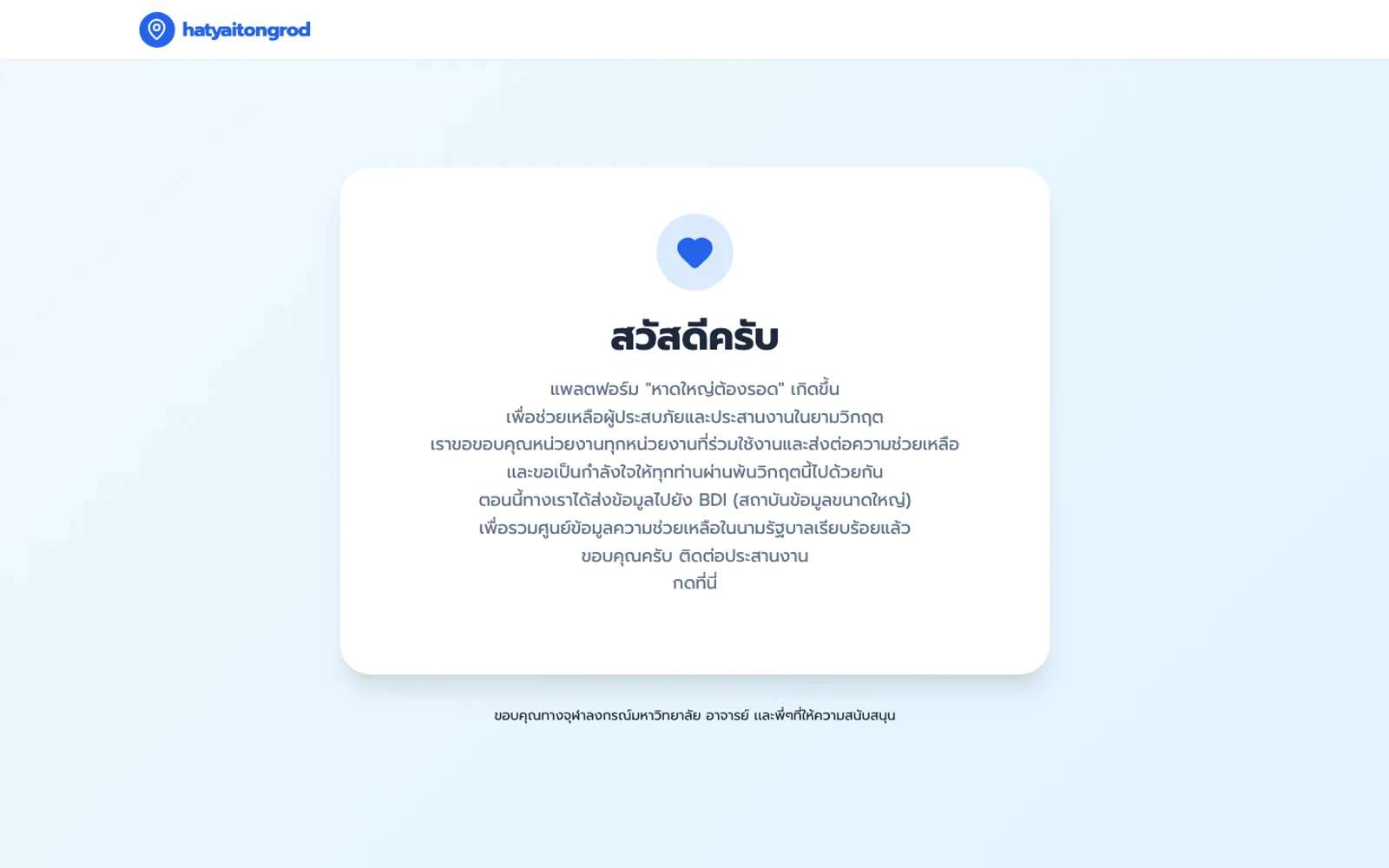
Help-request data went to the Big Data Institute (BDI) to be centralised on the government’s behalf, as the site’s front page states
A help-coordination web app built under emergency conditions during the catastrophic Hat Yai floods of late 2025, which affected nearly 3 million people across nine southern provinces. Victims simply open the site (no app install), sign in with Google, drop a pin, and specify what they need — number of people, food, medicine, or medical aid — plus a contact number, so rescue teams and Songkhla provincial agencies can see each request and respond. At peak the platform served more than 1,000,000 concurrent users, and request data was forwarded to Thailand’s Big Data Institute (BDI) to centralise the relief effort on behalf of the government. Built by the iReadCustomer development team.
In late November 2025, floods across nine southern provinces affected nearly 3 million people, with Hat Yai hit hardest; families were evacuated and whole communities cut off. Flood victims needed a way to ask for help that any phone could open instantly, with no app to install, and that put an exact location and a phone number in front of rescue teams in Songkhla. Our team had to build the flood relief platform in the middle of the crisis — and keep it up when huge numbers of people arrived at once.
This disaster-response platform had to go live mid-crisis, so our team ran everything (the website, sign-in, data and notifications) on ready-made cloud services rather than servers someone would have to look after, and designed each step around one help request: from a victim dropping a pin to a helper arriving and the case being closed.
Victims open the site from any phone and can add it to the home screen like an app. They sign in with their Google account, so there is no registration form and no new password to remember in an emergency.
The map opens on Hat Yai. Tap to drop a pin or type in coordinates; each pin says what is needed (food, medicine, a boat), with a name and phone number. Crowded areas group together so the map stays readable, every pin has an Open in Google Maps button for directions, and shops still trading can pin themselves with an open or closed status.
A new pin appears on every responder’s open map straight away, with no refresh, and requesters can filter the map to just their own requests.
A volunteer claims a pin with their name and number, and its status turns to claimed. The requester gets an alert in the page and on their phone with the helper’s name and number, and confirms help received to close the case. A victim’s name and number are shown only to the pin’s owner and authorised responders.
We handed the platform to Songkhla agencies to receive requests and dispatch help, and passed the request data to the Big Data Institute (BDI) to centralise relief on the government’s behalf.
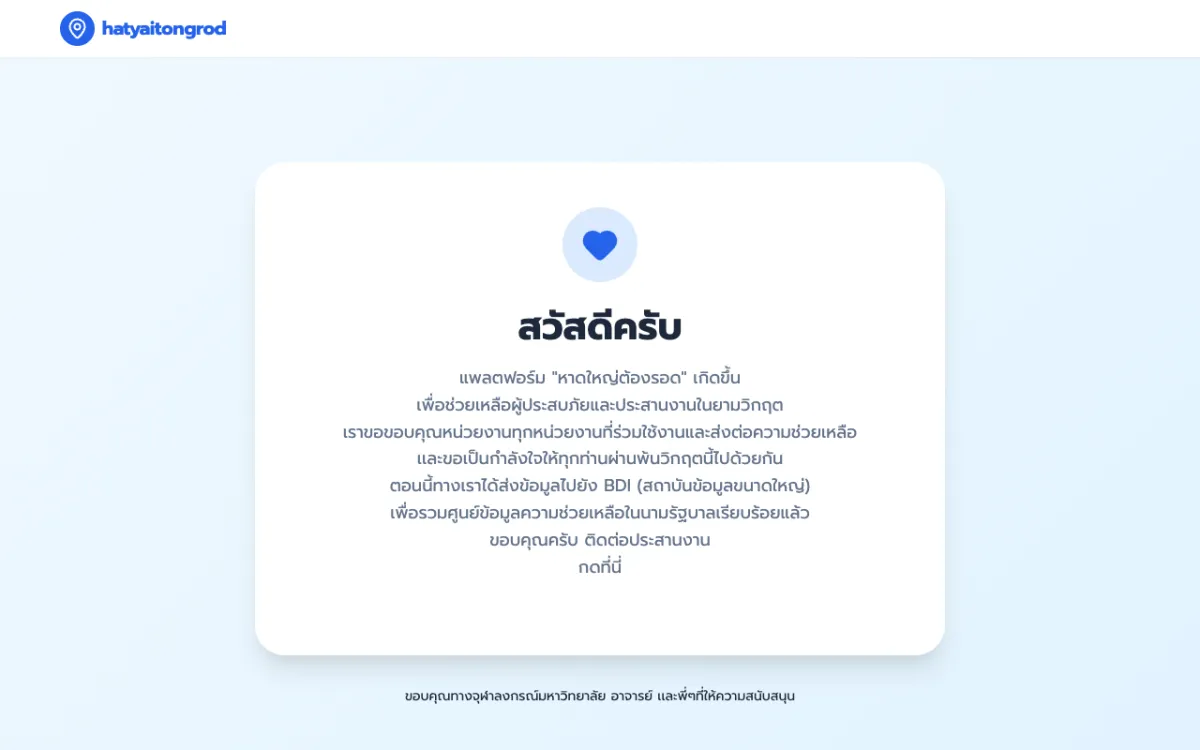
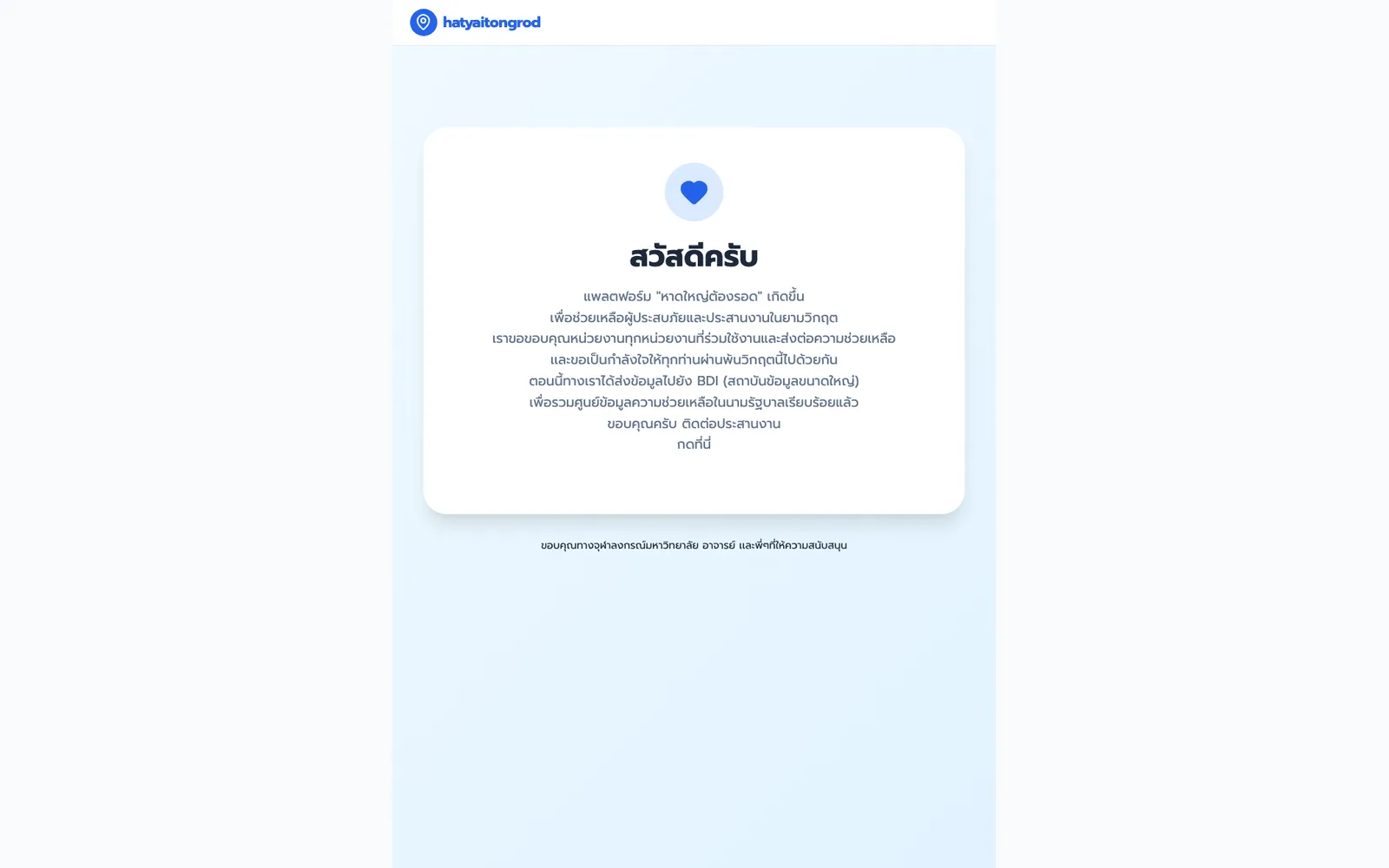
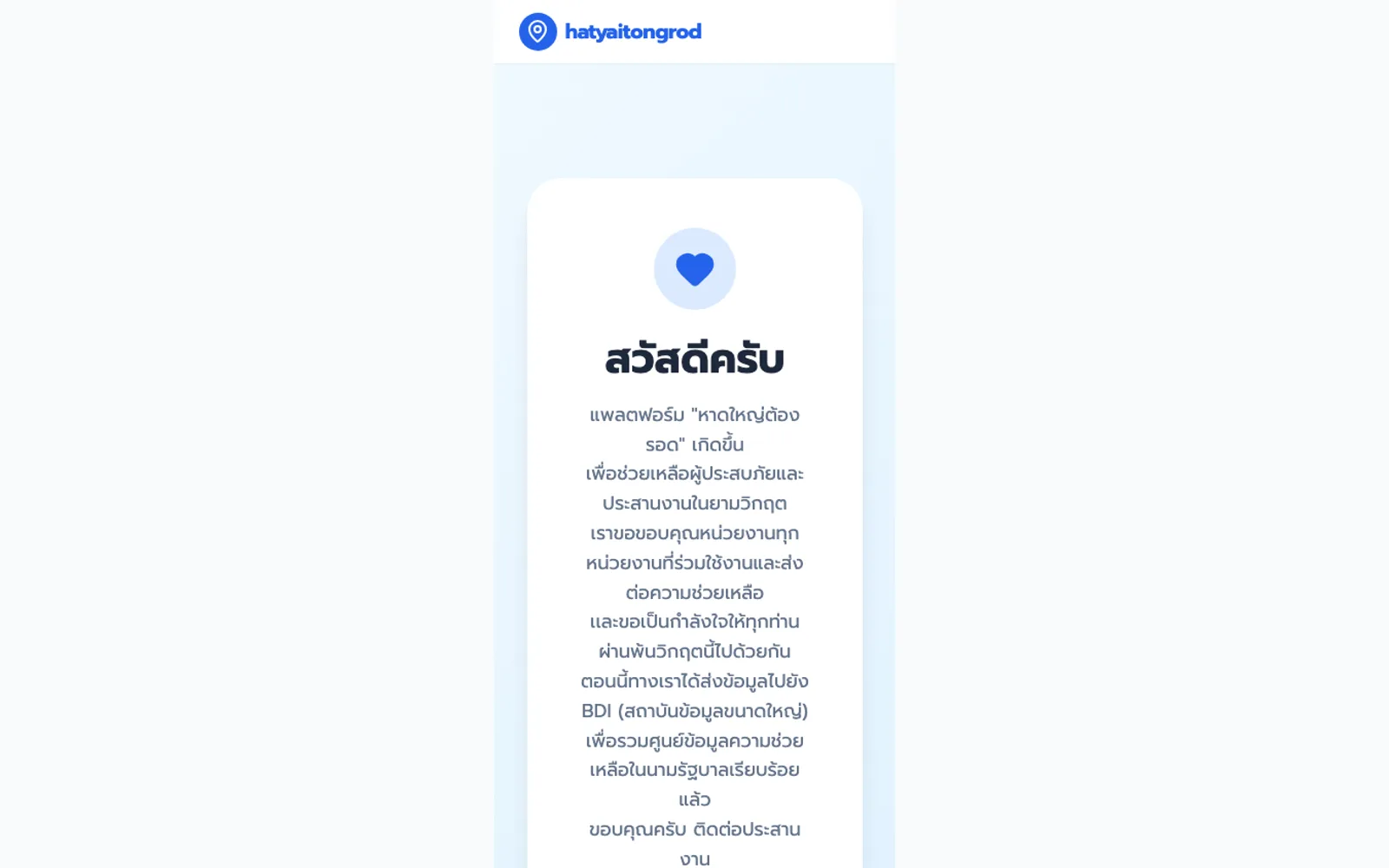
The emergency phase is over. The site’s front page is now a thank-you to the agencies that used it, confirming the relief data has been handed to BDI to be centralised on the government’s behalf.
At the peak of the Hat Yai flood the platform served more than 1,000,000 concurrent users, as reported by the project team.
Flood victims opened the site, signed in and dropped a pin with no app to download, and local rescue teams saw each request in real time.
When a volunteer claims a case, the requester is notified with the helper’s name and number, and closes the case once help arrives.
Requests were routed to Songkhla provincial agencies and the Big Data Institute (BDI) to centralise the relief effort.
Peak simultaneous users during the late-2025 floods, as reported by the project team
Khaosod English estimate (27 Nov 2025) across Songkhla, Nakhon Si Thammarat, Phatthalung, Trang, Satun, Pattani, Yala, Narathiwat and Surat Thani
Help-request data went to the Big Data Institute (BDI) to be centralised on the government’s behalf, as the site’s front page states
Gallery
01·Gallery
Requests routed to Songkhla agencies & the government’s BDI
02·Gallery
Built by our team under crisis time pressure, and kept up through a huge rush of users
03·Gallery
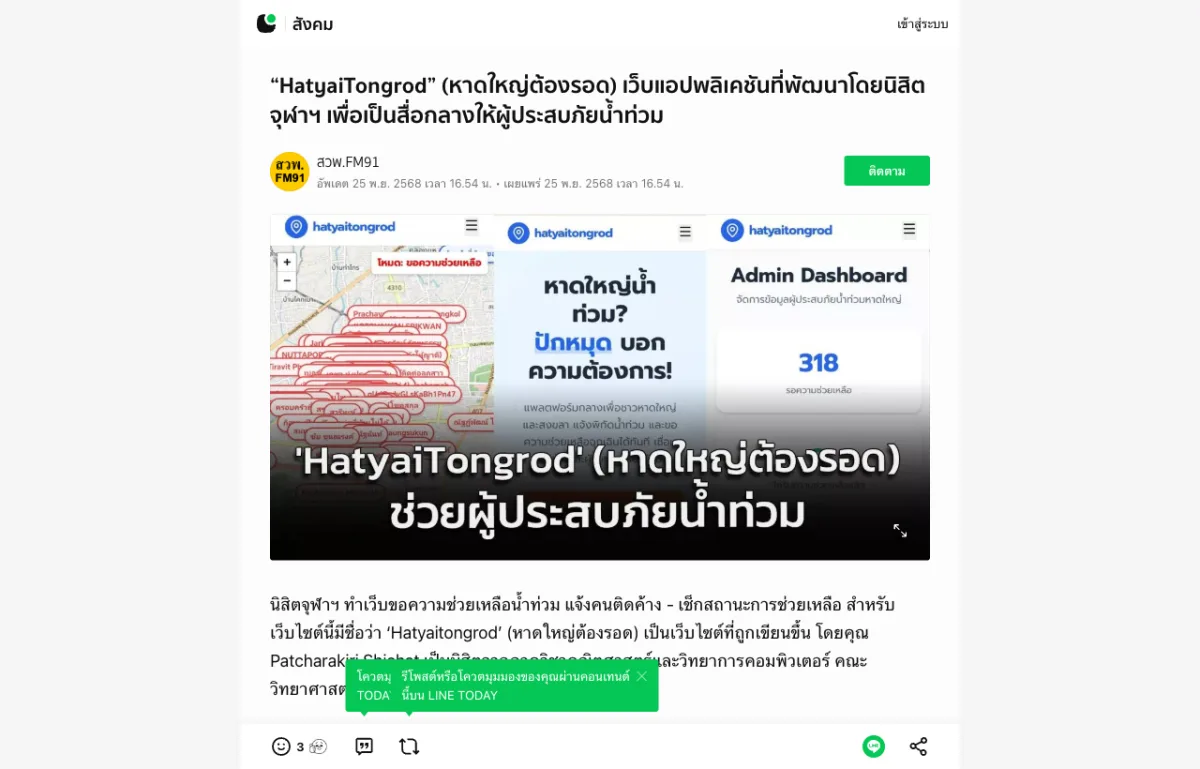
“HatyaiTongrod”: a Chulalongkorn-student web app helping flood victims get aid
Online platforms helping the Southern Thailand floods
Round-up of flood help-request / location-pin websites
Southern floods hit 236,000 people, DDPM speeds up recovery in Hat Yai
Thailand launches flood recovery plan as damage tops $4.3 billion
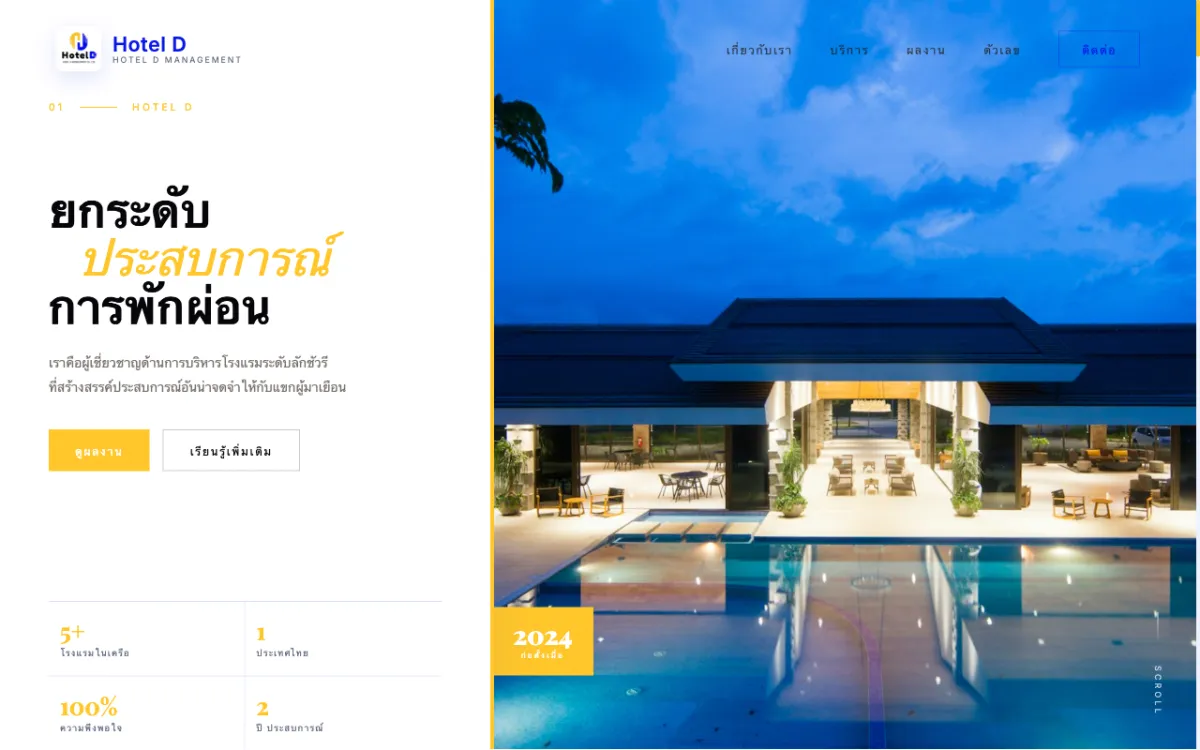
Corporate site for a full-service hotel-management firm serving properties across Thailand. Bilingual.
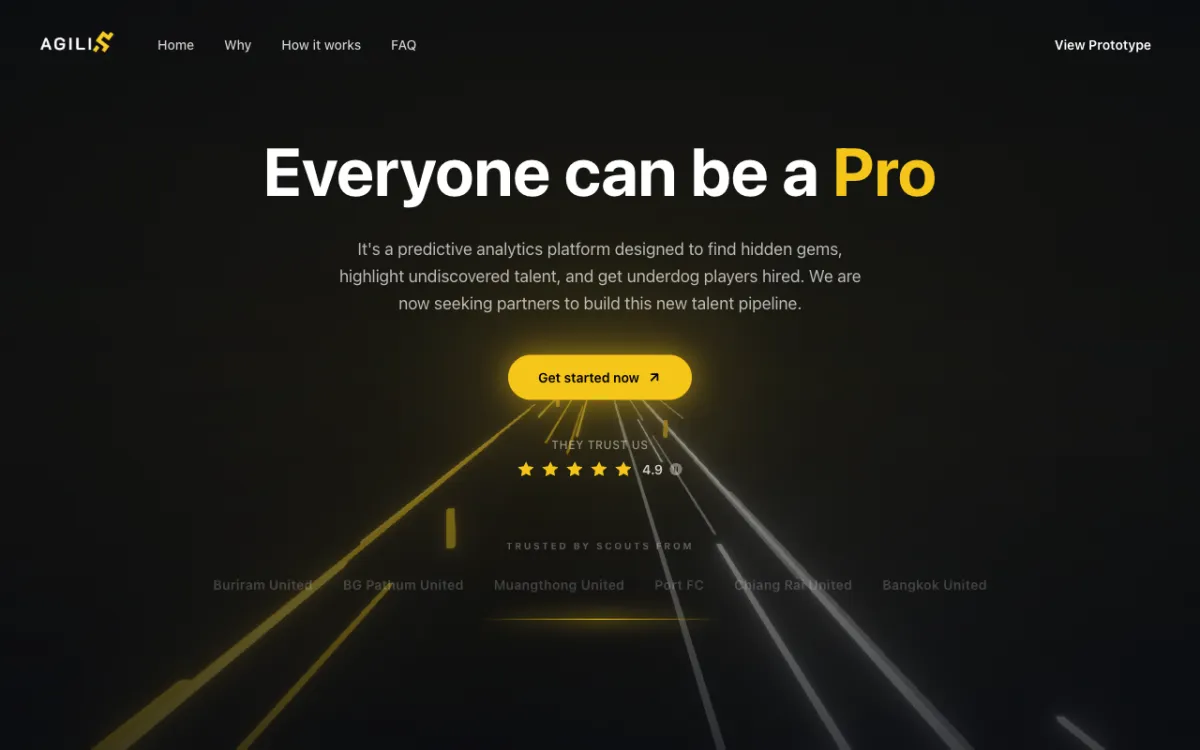
Football scouting platform (prototype stage) connecting players with scouts and clubs.

Product and services site for a supplier of NDT systems, coordinate measuring machines (CMM) and 3D scanners.

Digital-menu and QR order-management system for restaurants.
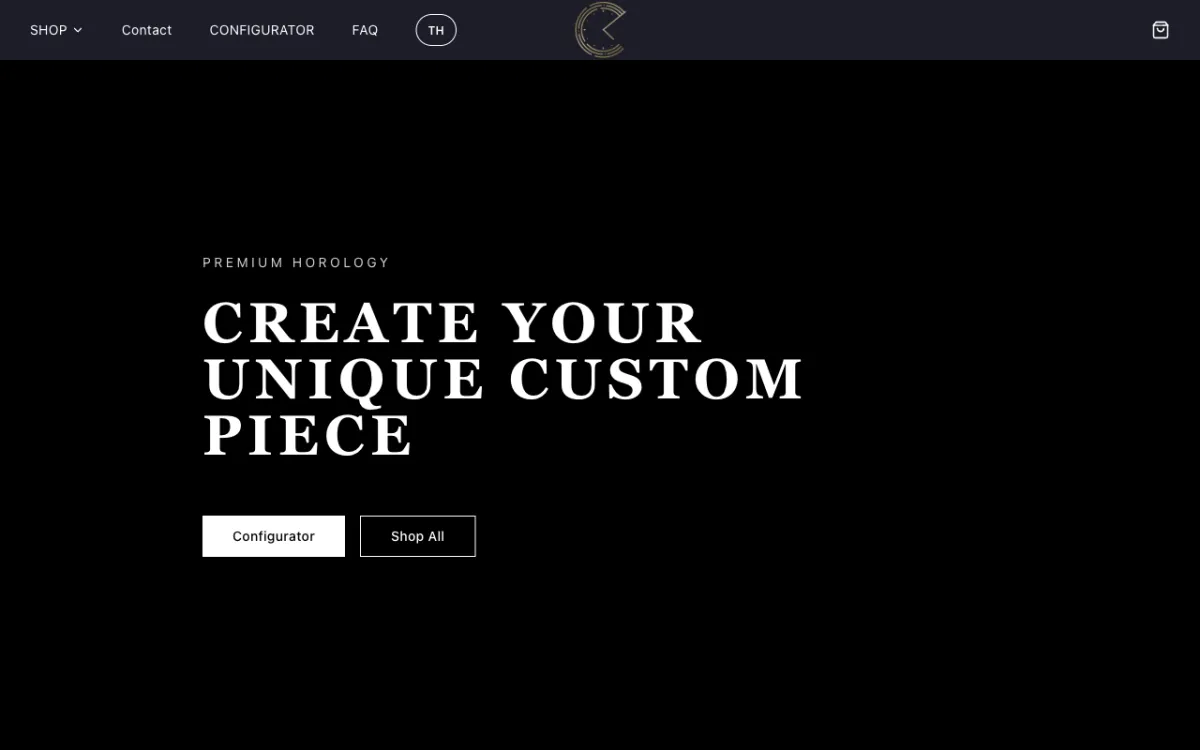
E-commerce store for custom Seiko mod watches with a configurator.
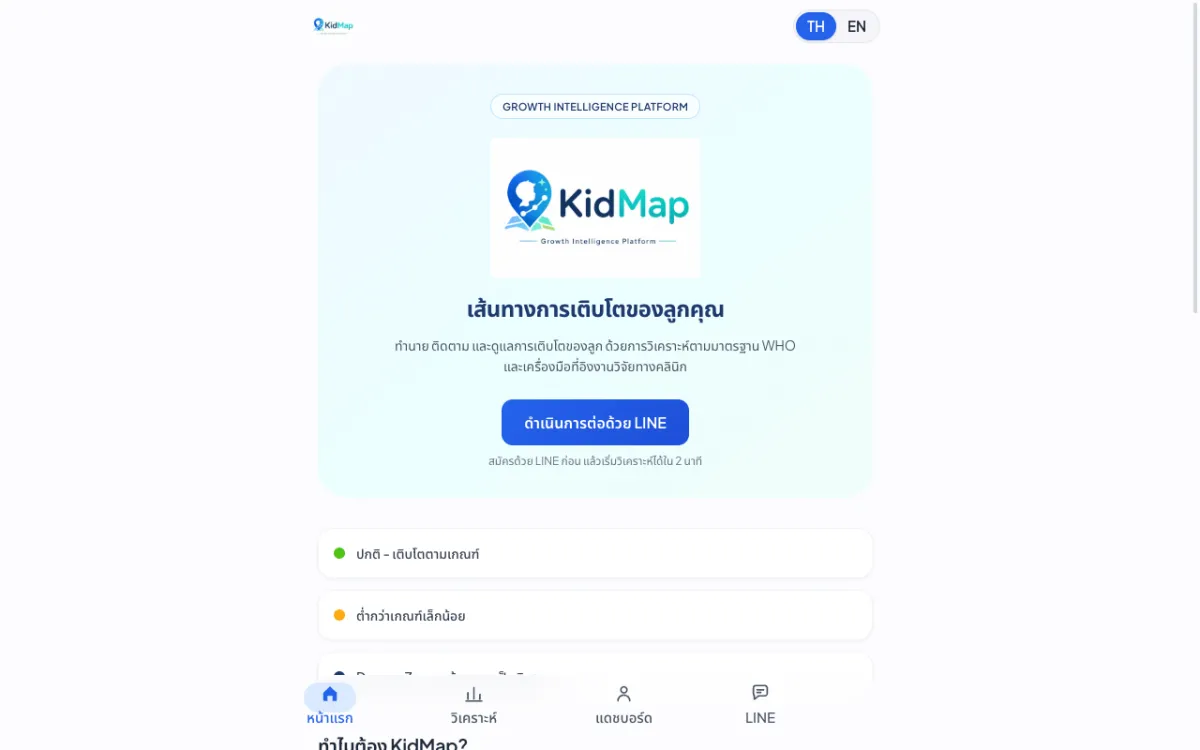
Platform that predicts and tracks children’s growth against WHO standards.
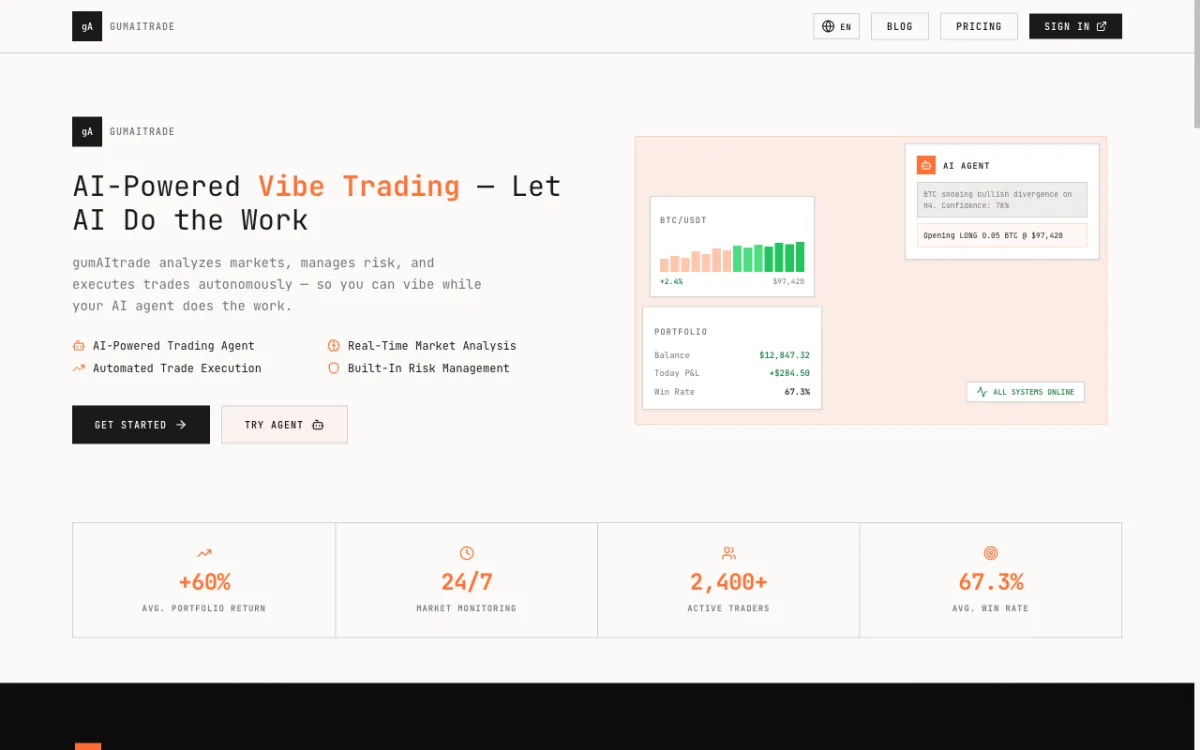
Product site for an AI crypto trading bot built around a “vibe trading” concept.
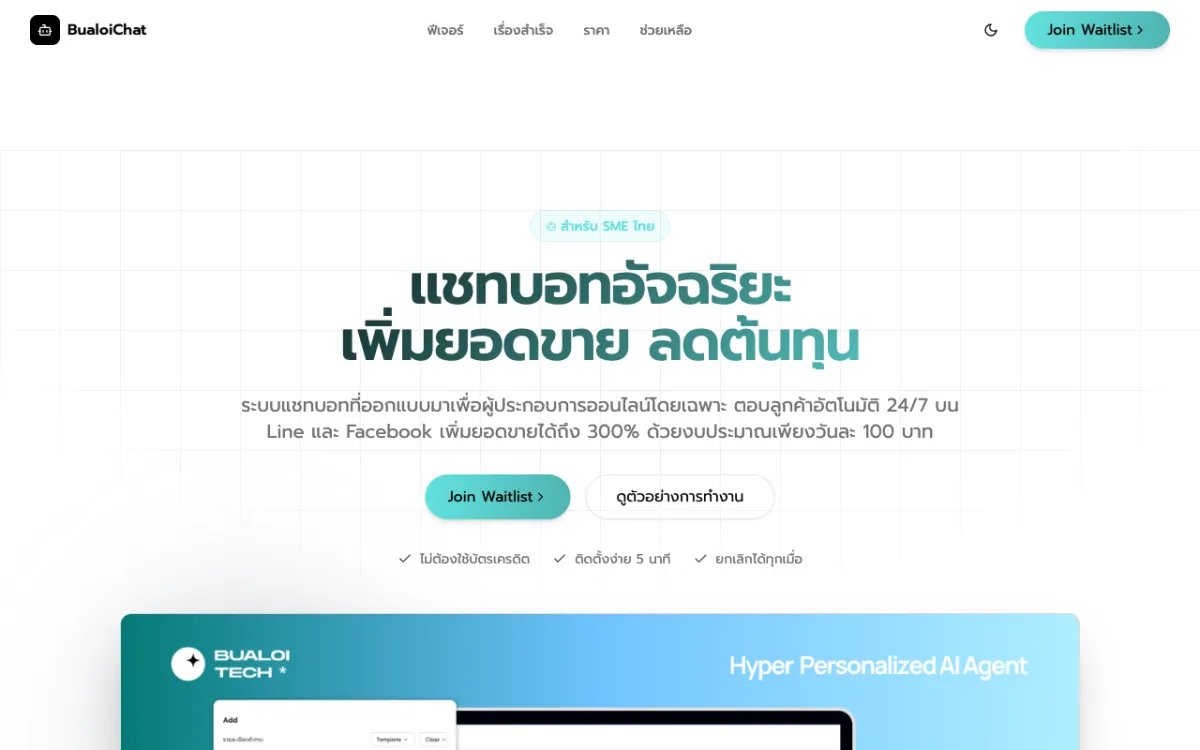
Pre-launch landing page for an AI chatbot service that answers SME customers on LINE OA and Messenger.
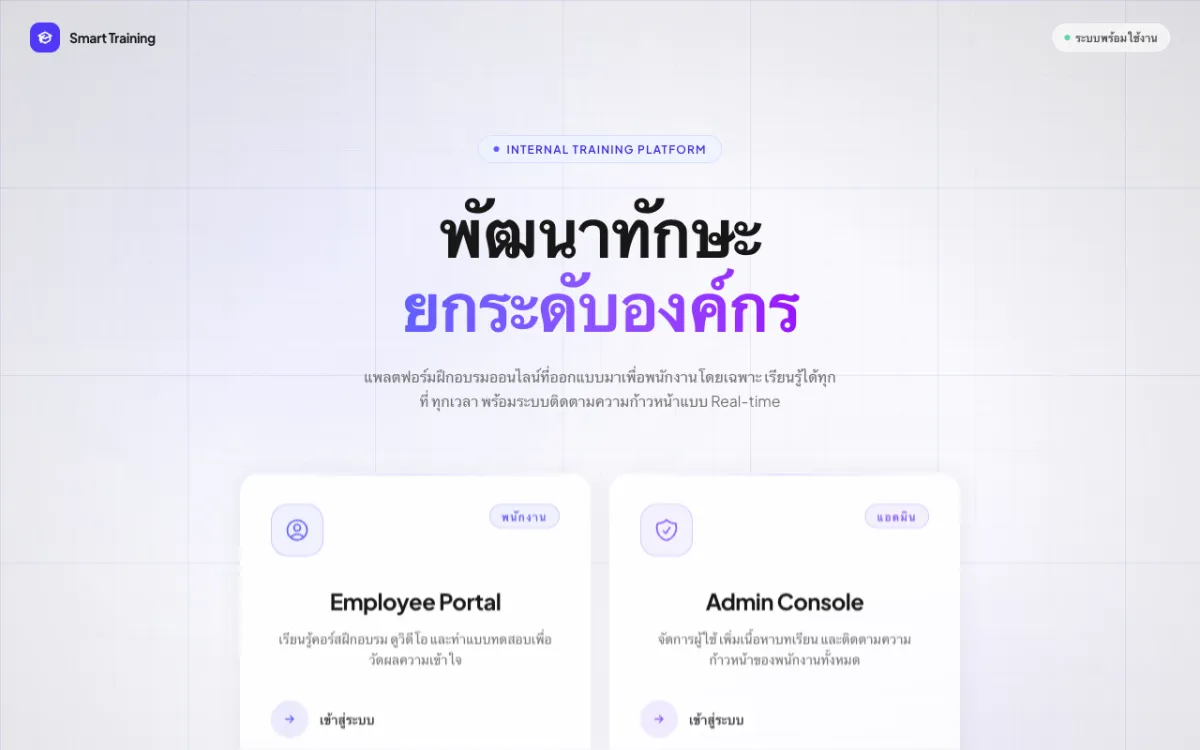
Internal employee training (LMS) with video courses and quizzes.
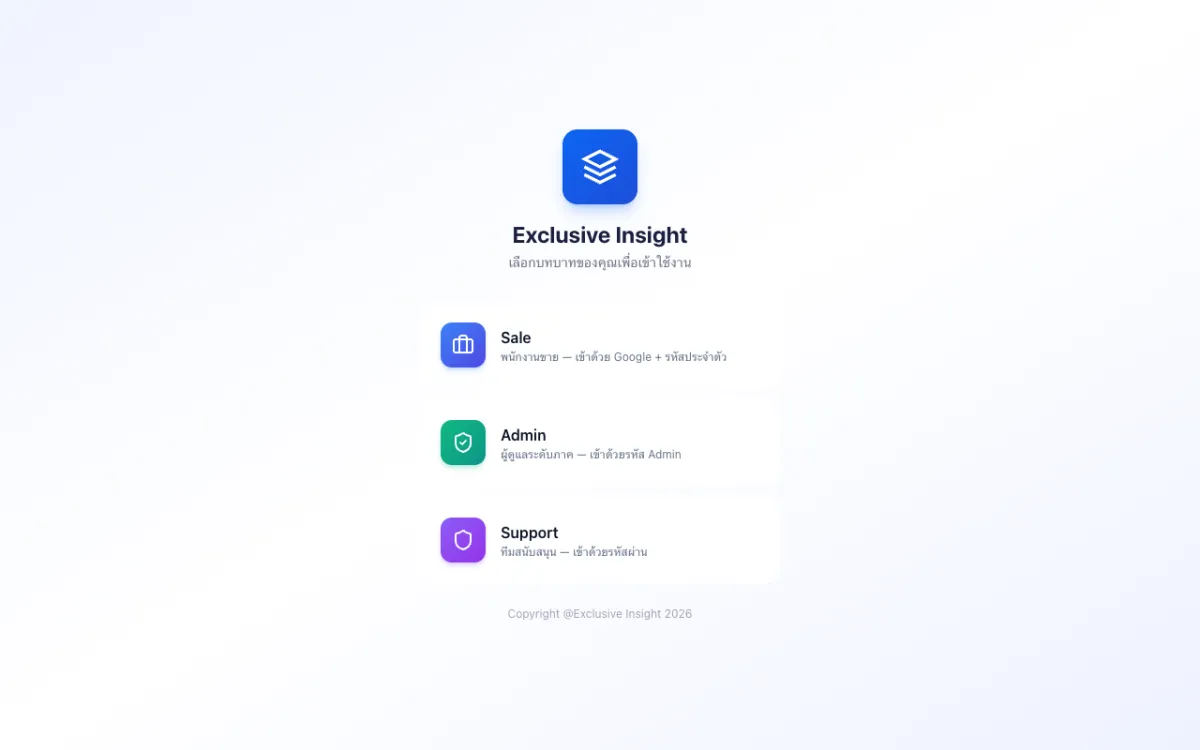
Role-based CRM with Sales, Admin and Support access.
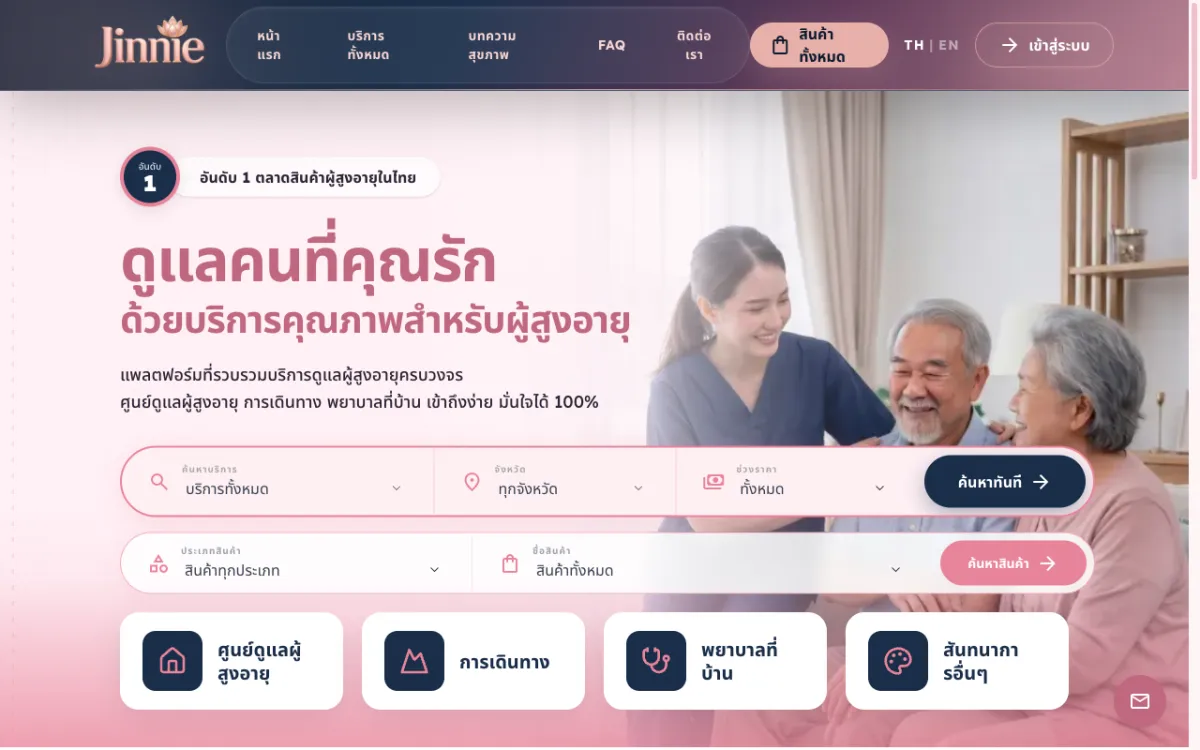
Platform to find and book elderly-care services across 12 categories from many providers.
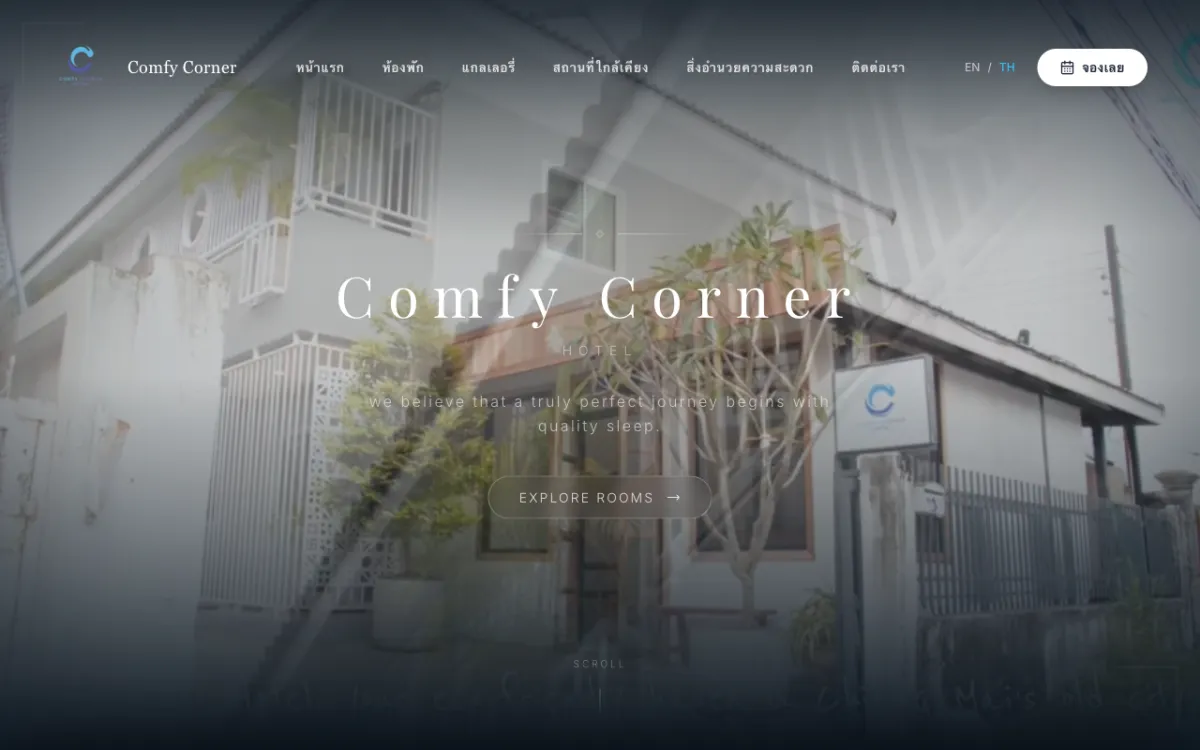
Booking site for a boutique budget hotel in Chiang Mai. Bilingual.

Private luxury pool-villa resort in Khao Yai; books via Agoda/Trip.com. Bilingual.

Khao Yai resort site with a “music meets nature” concept. Bilingual.

Site for a premium real-estate developer and home-builder. Bilingual.
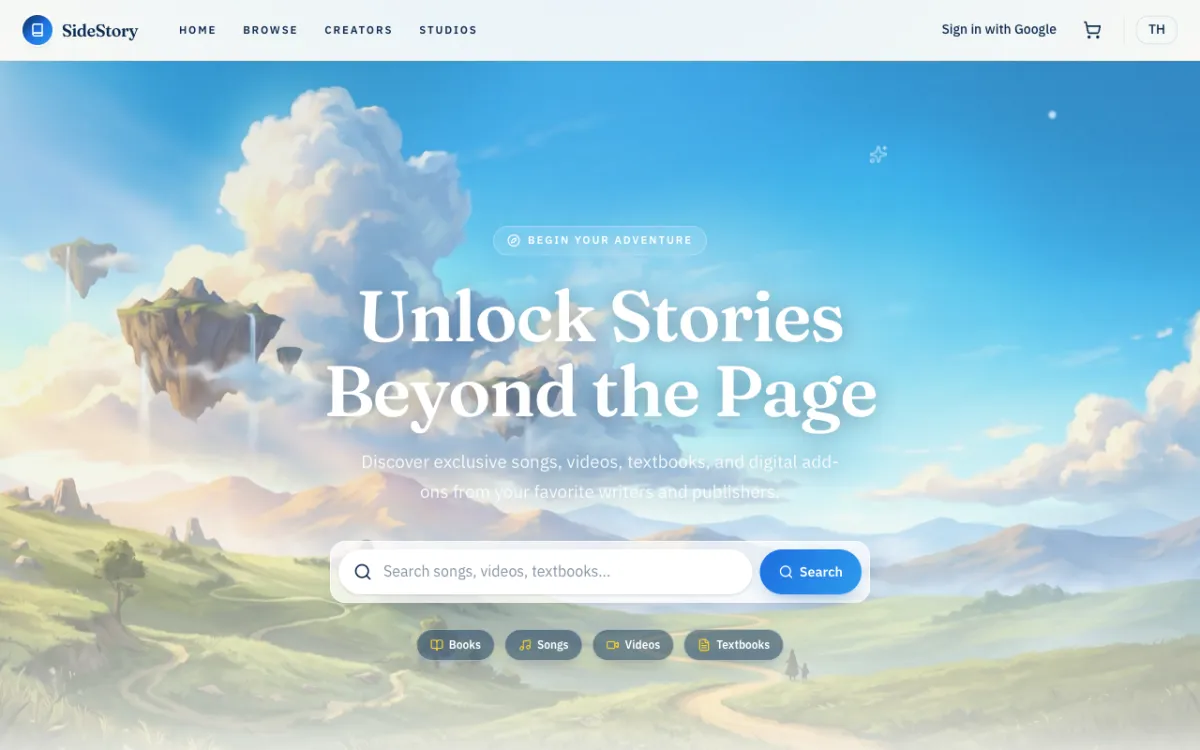
Digital-content marketplace for Thai writers and publishers.
AI analytics for LINE Official Account group chats, with automatic conversation summaries.
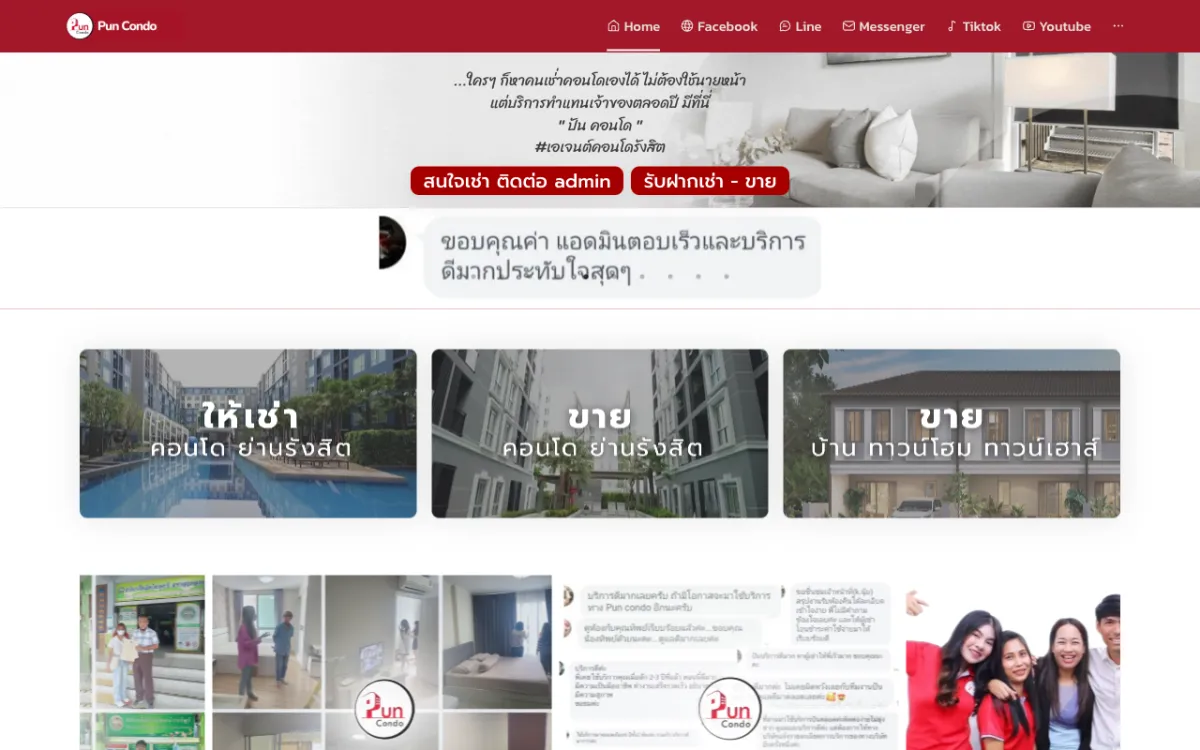
Real-estate platform with property listings and an admin back-office.
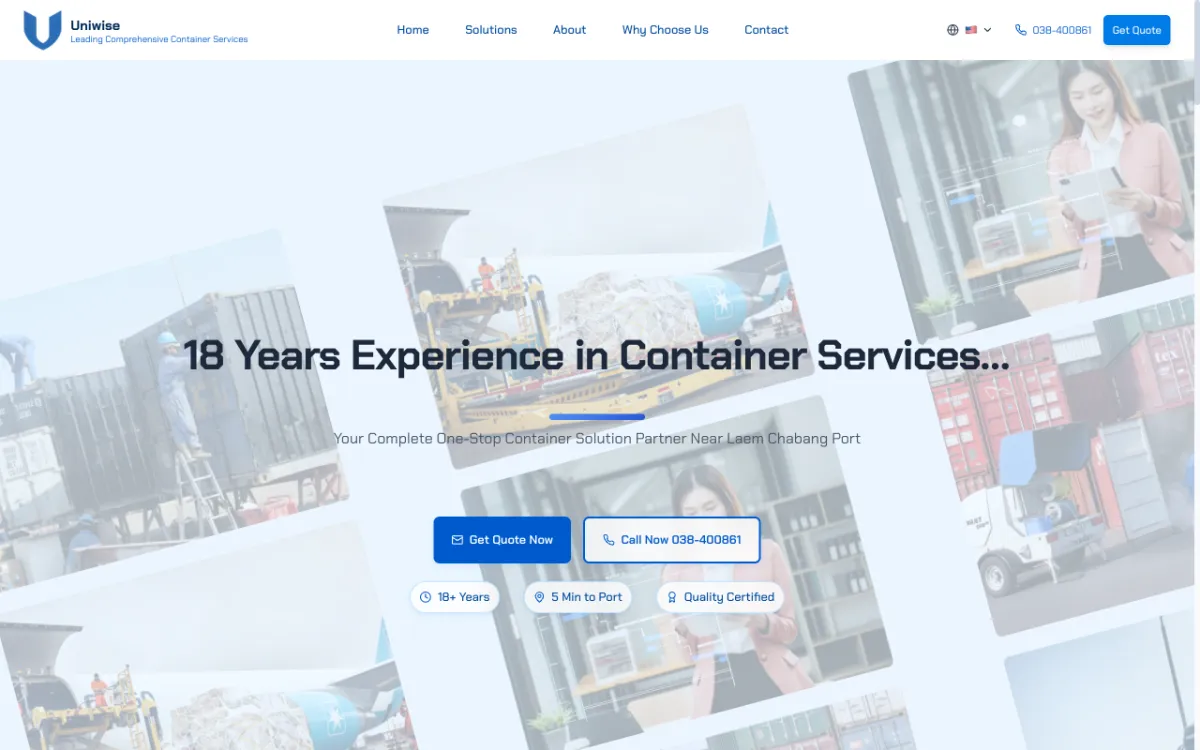
Site for a container yard near Laem Chabang Port. Thai, English and Chinese.

Landing page for a startup studio & tech consultancy focused on MVPs.

Brand site for a software house founded by Chula students, serving Thailand & ASEAN.
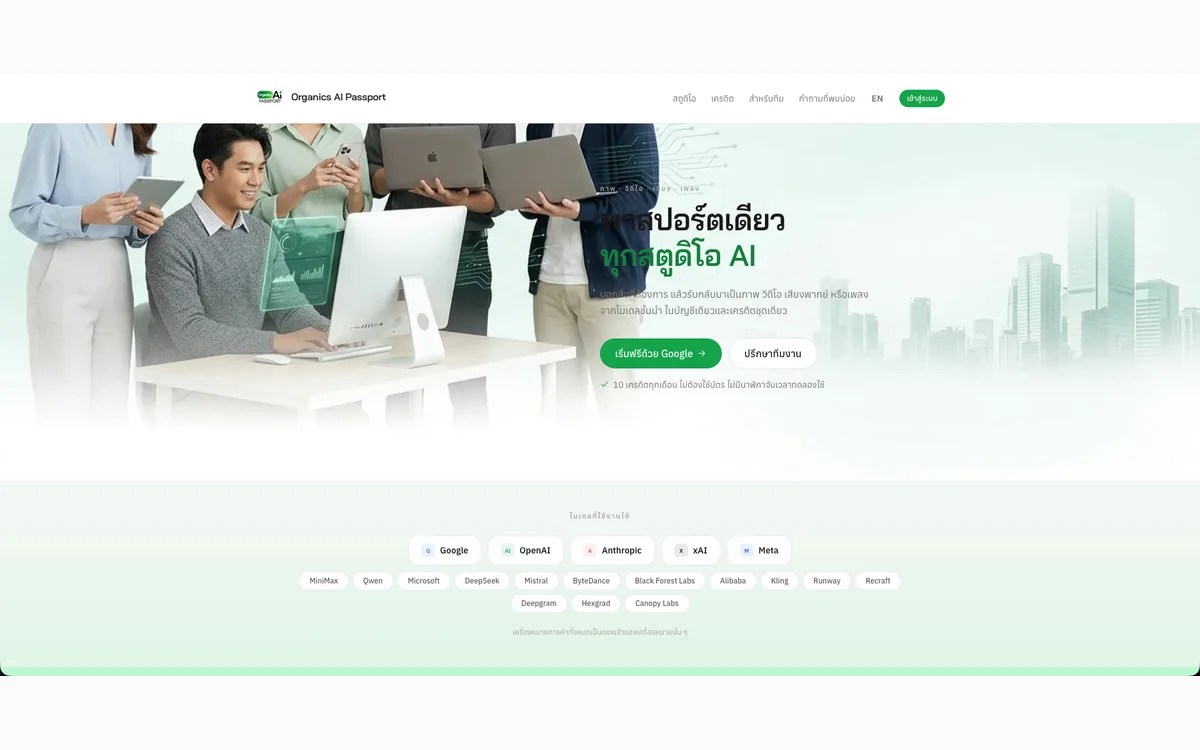
One account to generate images, video, voiceovers and music with AI, metered by a single credit balance.
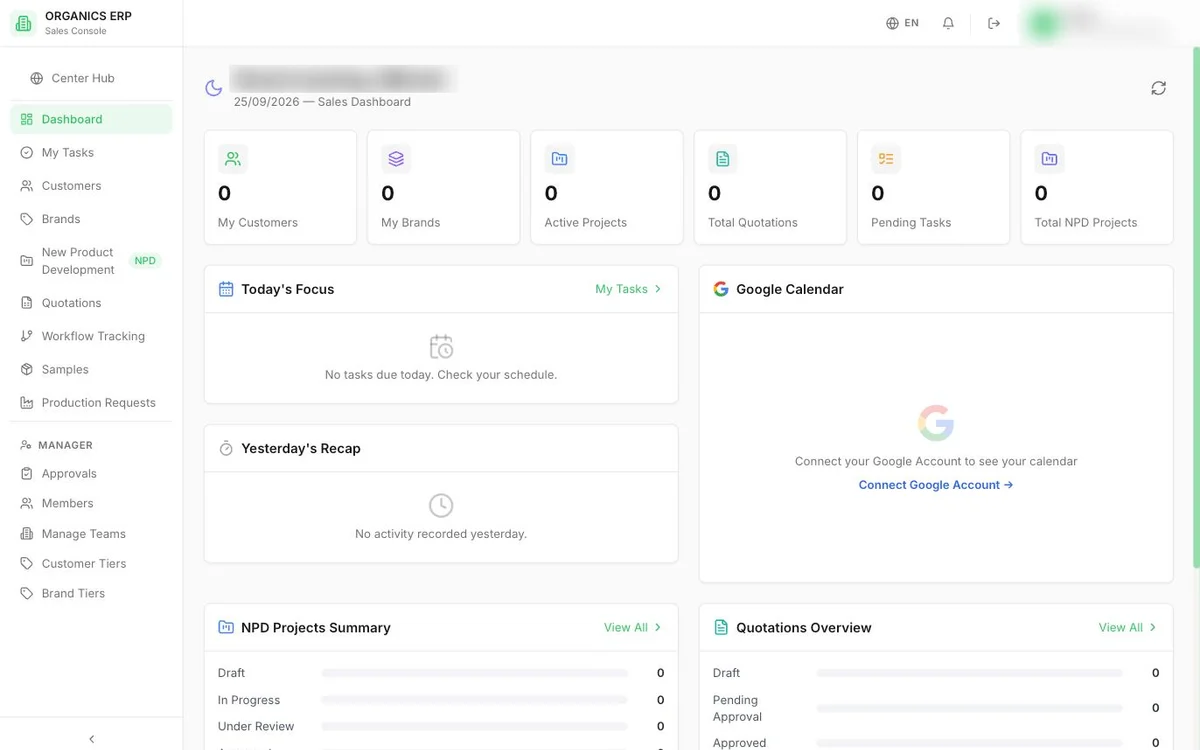
Department-by-department ERP for a cosmetics manufacturer, covering sales, procurement, production, warehouse and finance.
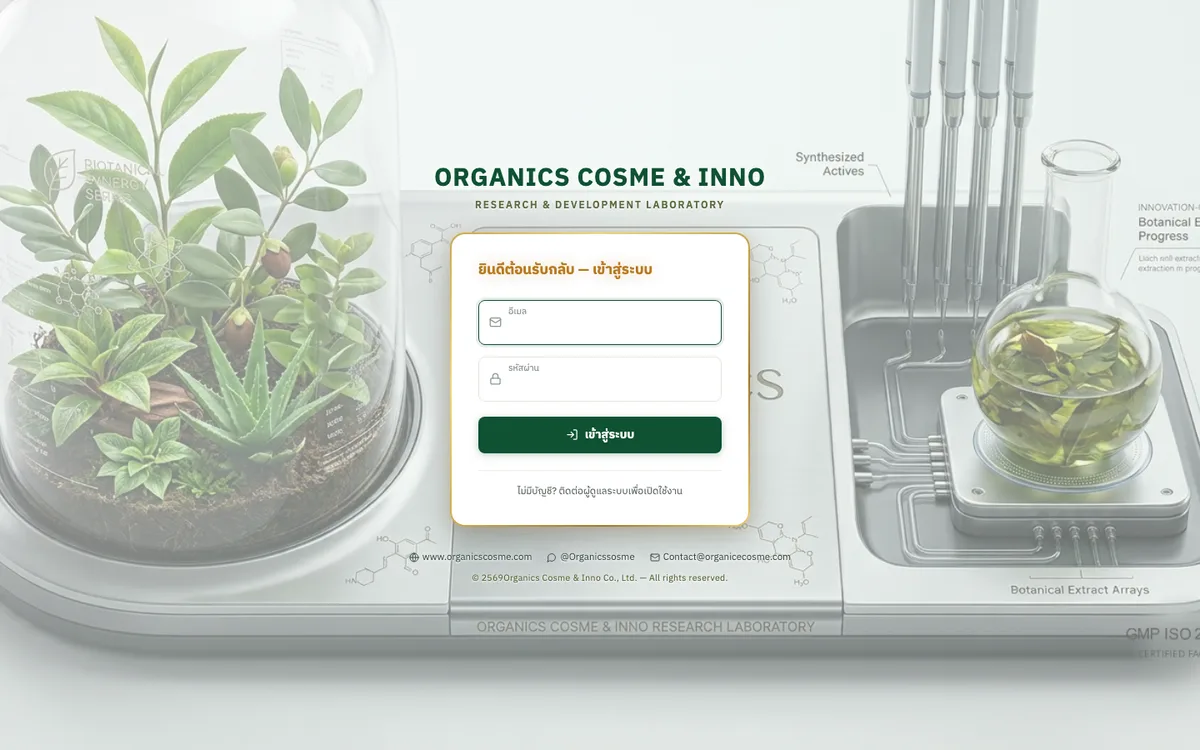
Sales brief system that carries an OEM product brief from intake through quotation to delivery tracking.
AI workspace for a cosmetics R&D team to find ingredients, check stock, and draft, cost and revise formulas.
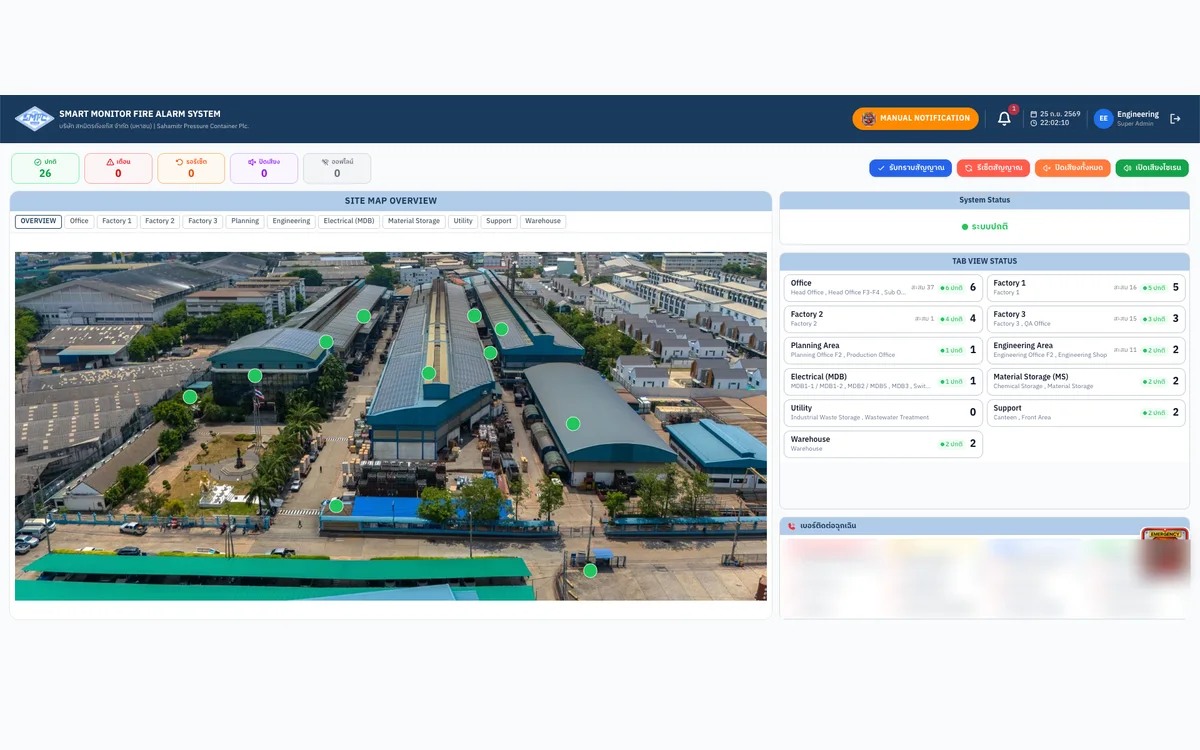
Real-time fire-alarm monitoring web app for a factory, wired directly to its PLC.
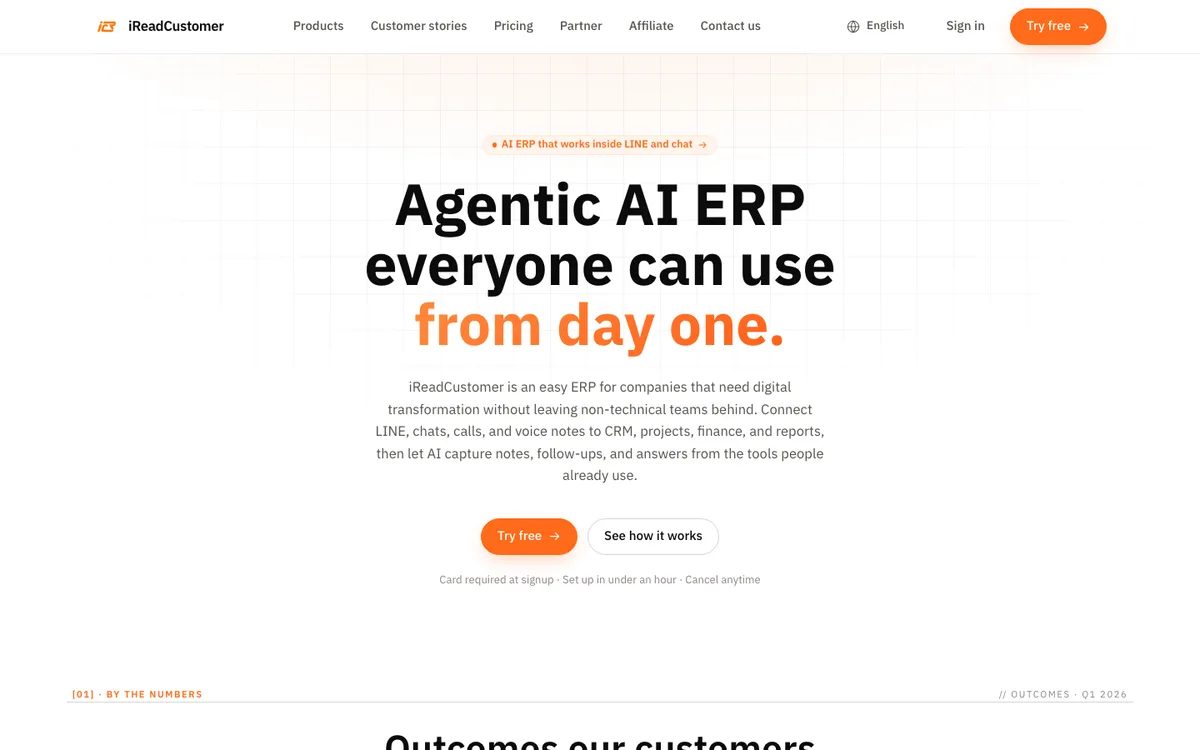
AI-agent ERP that connects LINE chats and voice notes to CRM, projects, sales and accounting.
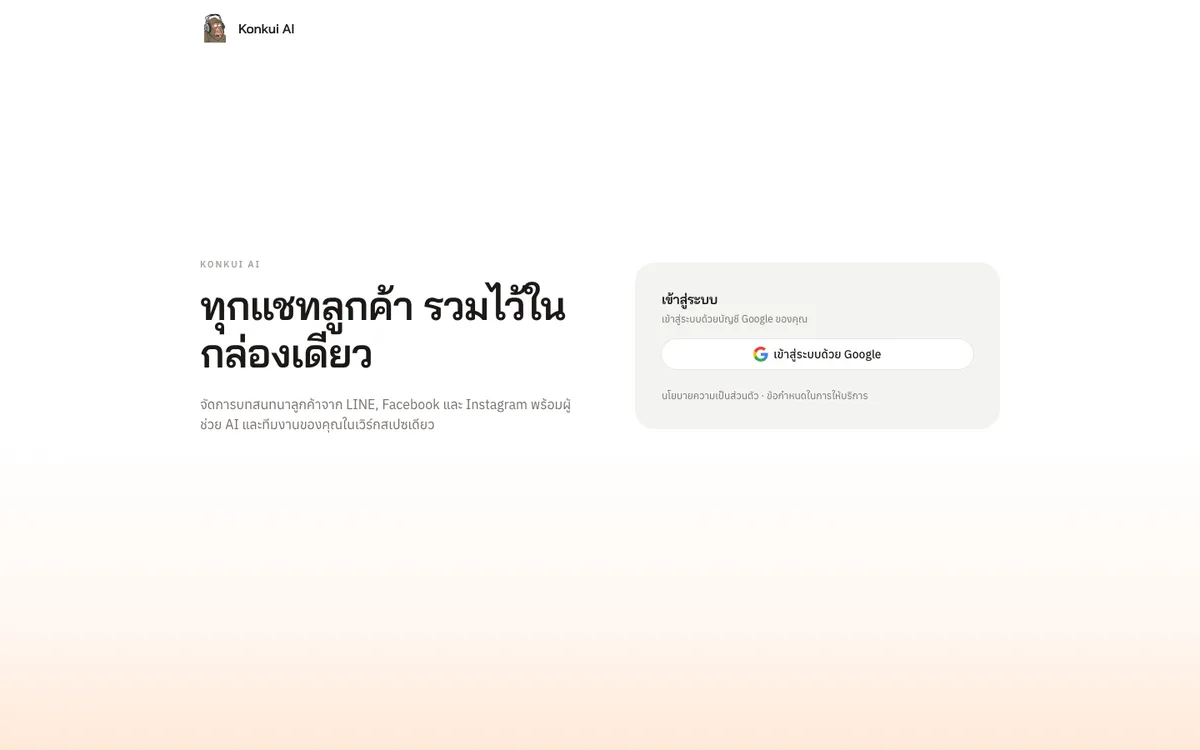
One inbox for LINE, Facebook and Instagram customer chats, with an AI Assistant that answers first and hands off to the team.
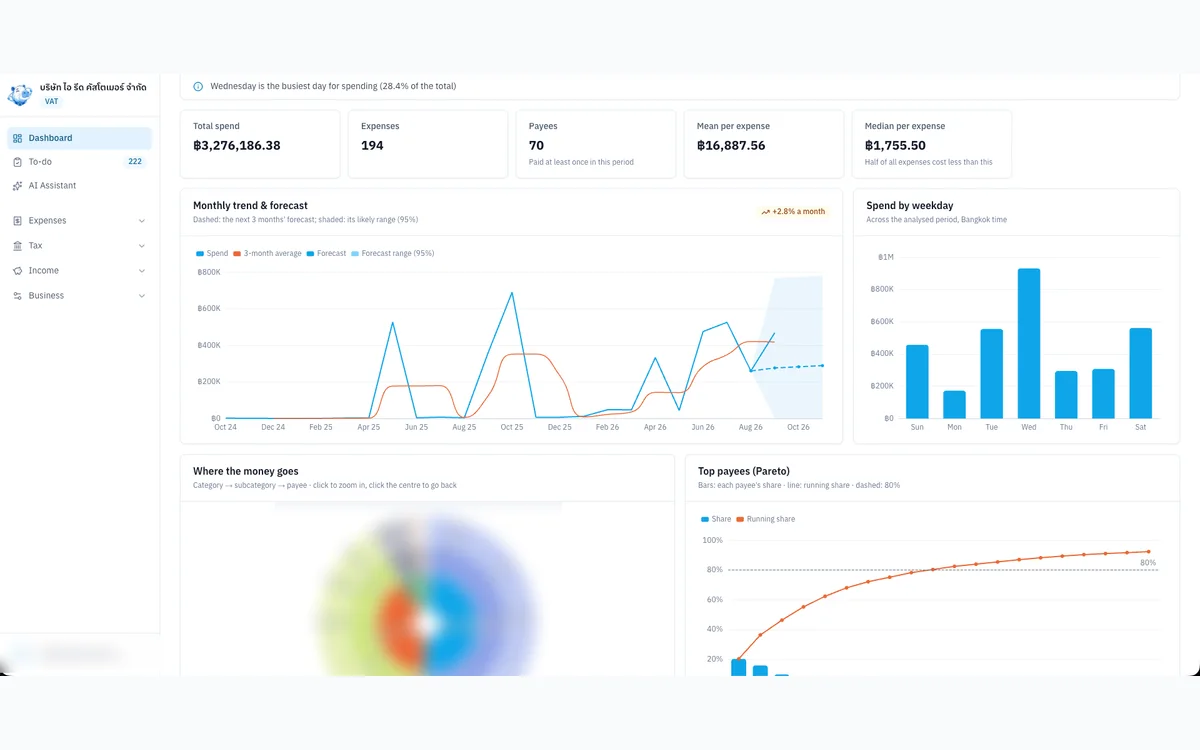
Internal tool that organises expense evidence, input VAT and P.P.36 for a VAT-registered Thai company.
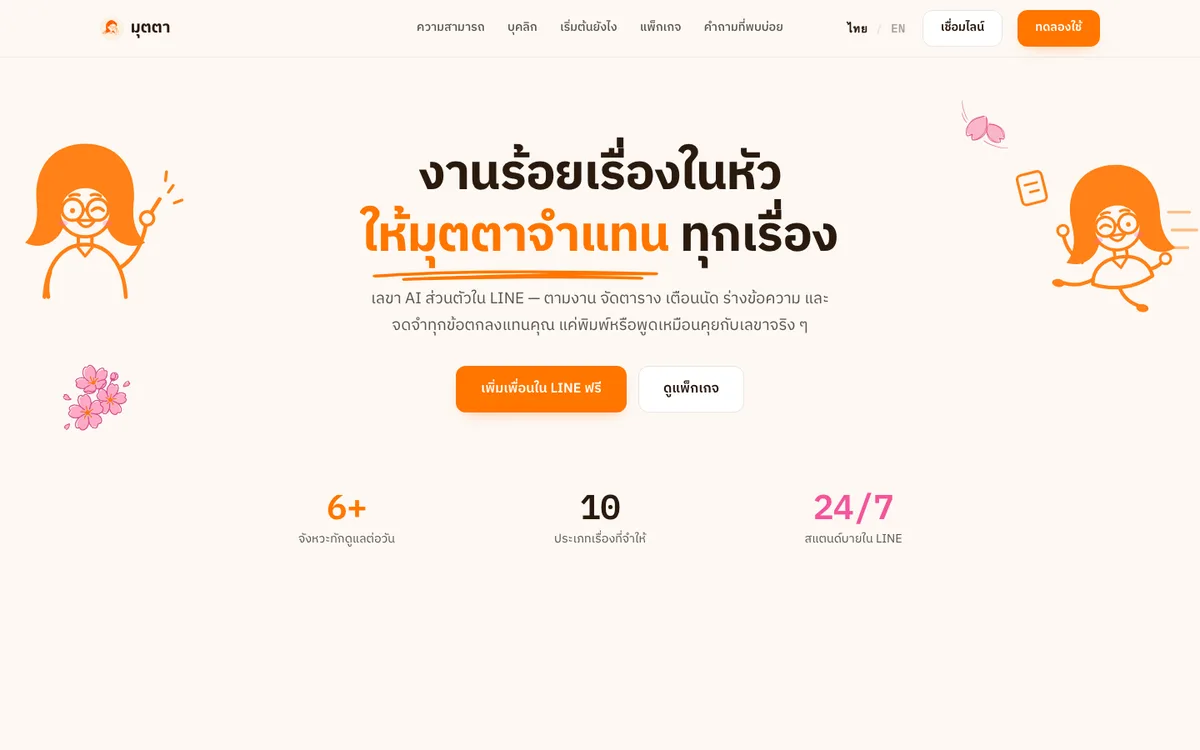
An AI personal secretary in LINE that chases follow-ups, keeps your schedule, drafts messages and remembers every agreement.
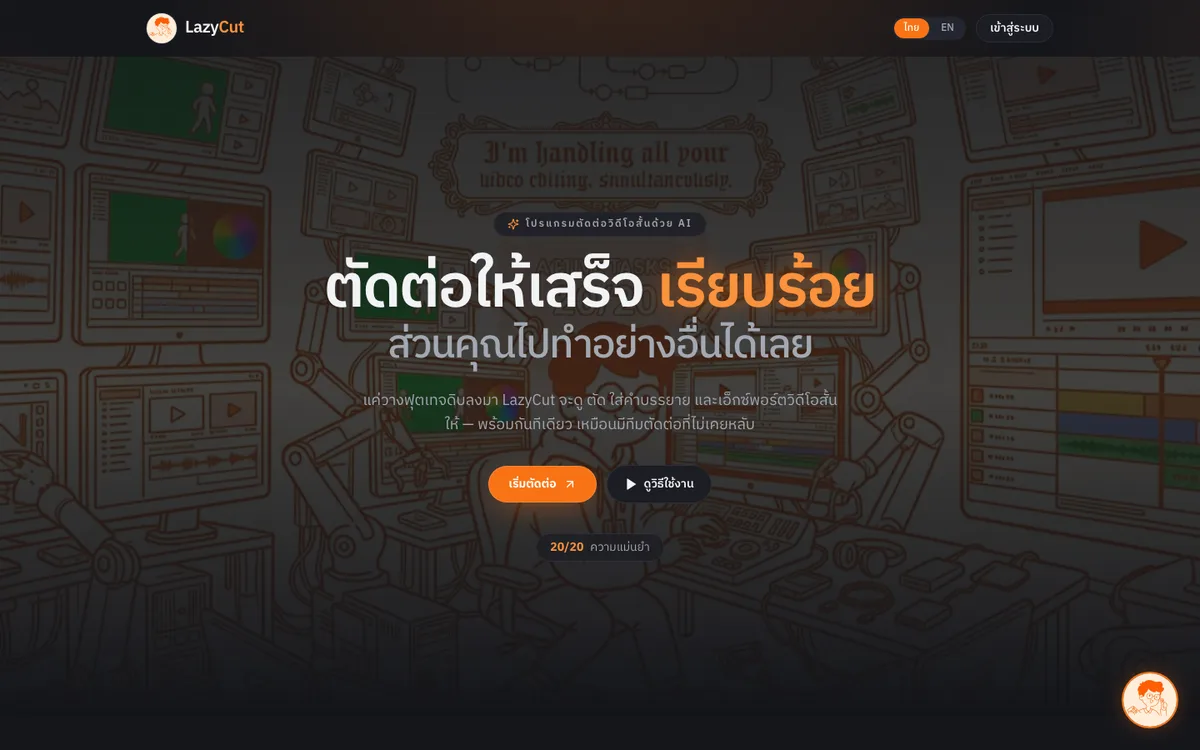
AI short-form video editor that cuts dead air, adds captions and exports ready-to-post clips.
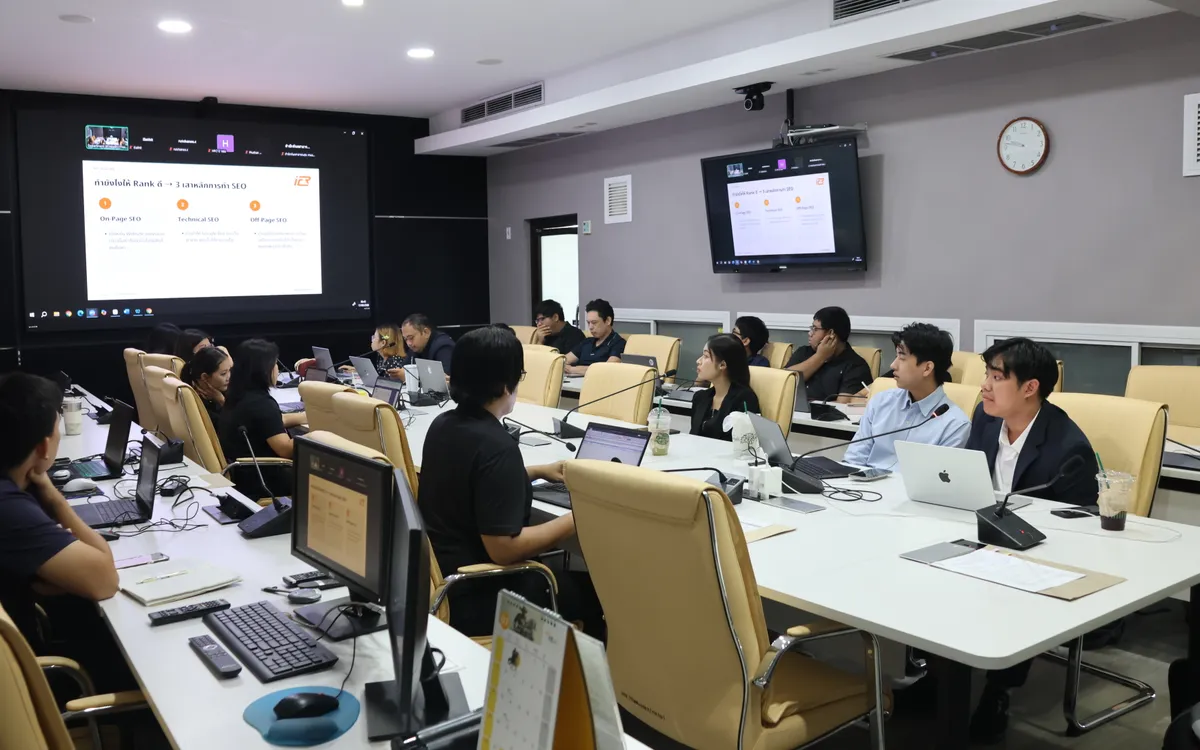
Onsite training and hands-on workshop (09:30–16:00) that helps the Department of Health’s web teams make articles easier for Google and AI search to find, understand and cite.
Contact Us