01·Gallery
Sales, R&D, design, planning, plant, purchasing, warehouse and finance on one system
Warehouse: lot tracking, QC before use, earliest expiry out first
Department-by-department ERP for a cosmetics manufacturer, covering sales, procurement, production, warehouse and finance.
Staff across departments working in one system
Sales, R&D, design, plant, procurement, warehouse, finance, executive and admin
From viewer to super admin, layered on each user’s role and department
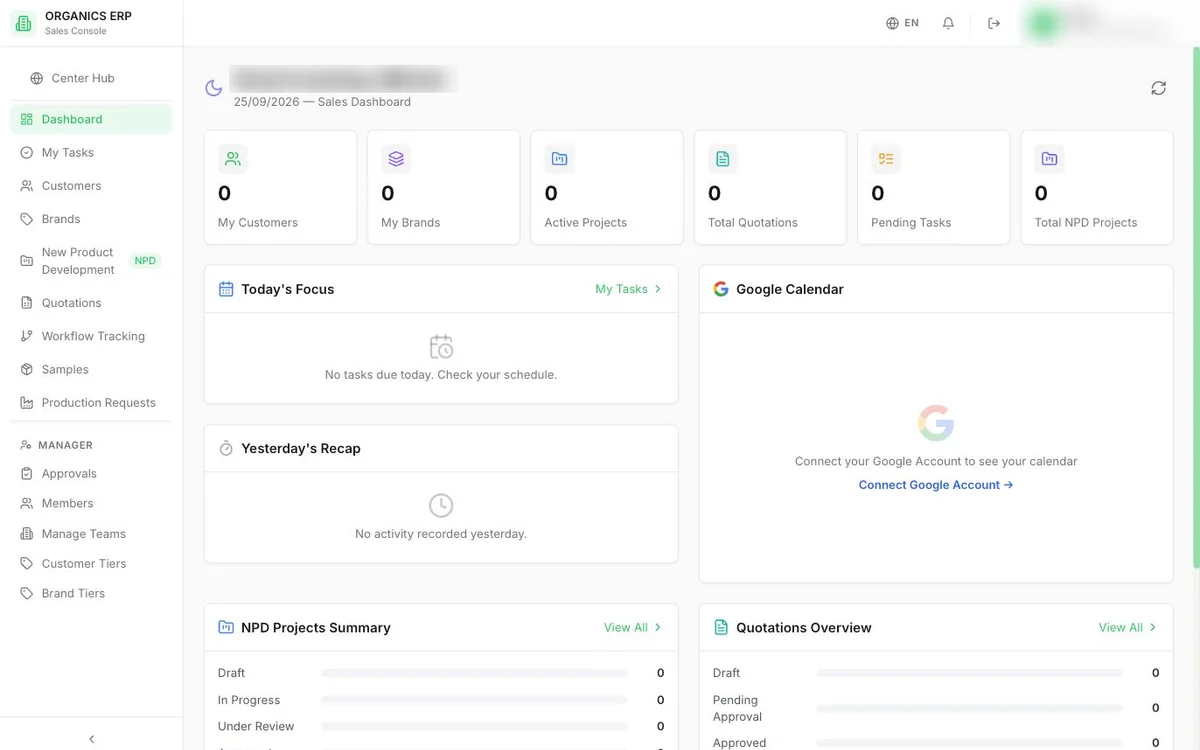
ORGANICS ERP connects Organics’ whole cosmetics operation into one line of work: sales takes the customer’s brief, R&D develops the formula, design creates the packaging, planning and the plant make the product, purchasing sources the materials, the warehouse and QC manage what comes in and goes out, and finance closes the books. Each department has its own workspace on one shared set of records, every document carries its approvals and change history, and the whole system works in Thai and English.
Organics’ cosmetics manufacturing runs through sales, R&D, packaging design, purchasing, planning, plant, warehouse, QA, QC and finance, and each hand-off between them — a brief becoming a formula, a formula becoming a bill of materials, a material shortfall becoming a purchase — has to reach the next team intact and stay traceable afterwards. ORGANICS ERP is also the company’s system for IPO readiness: as it prepares to list on the stock exchange, every transaction has to show who created it, who approved it and the evidence behind it. The build had to put every department on one shared record behind a single sign-in, with each person seeing only the work their role and department allow. It also had to follow the documents the office already files, so the system fits the way the factory works rather than the other way round.
We didn’t start from the technology. We followed one product from the day the customer’s brief arrives to the day it leaves the warehouse, then gave each department its own workspace on one shared set of records. When one team finishes its part, the next team already has it: no files passed around, nothing typed in twice, and every employee reaches all of it with a single sign-in.
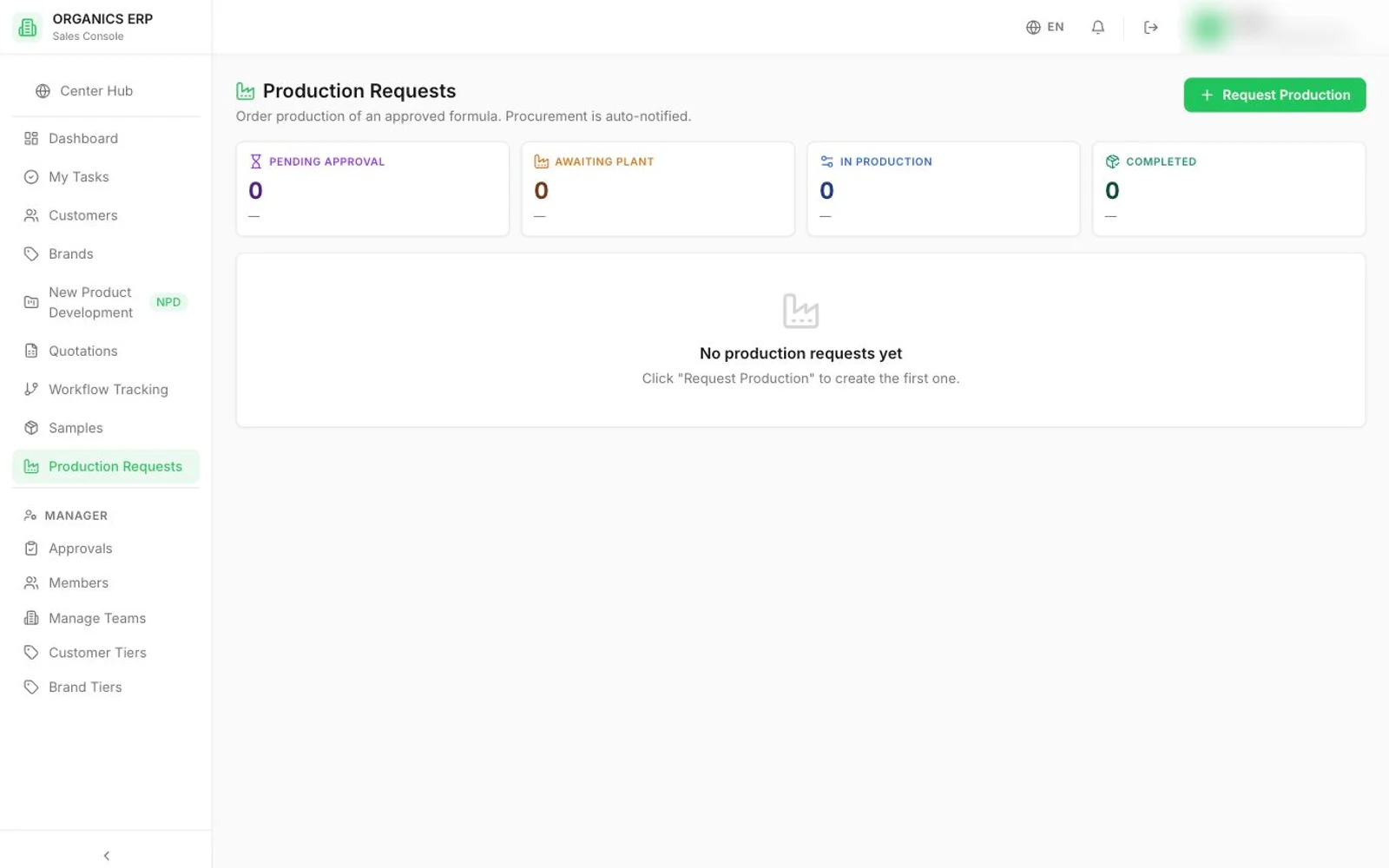
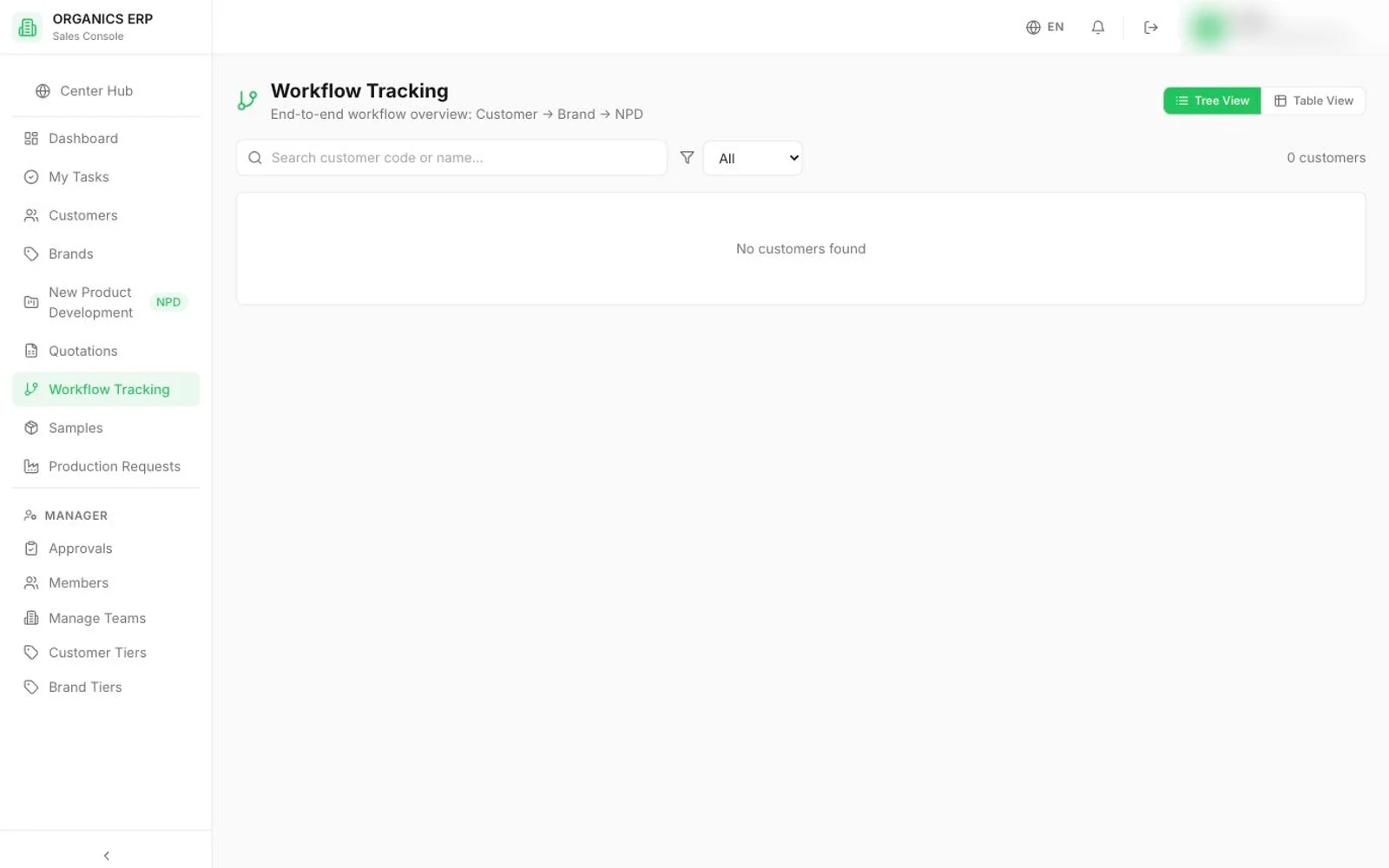
Sales keeps each client’s brand, brief, samples and quotations in one place. An agreed brief opens a new-product project that every department sees with the same status, so sales can tell a customer where their order stands without calling round the factory.
R&D develops formulas, runs trials and stability tests, and requests chemicals in the same system. Every change to a formula is saved as a new version, and once a version is approved it is the one handed to production: no retyping, no working from the wrong file.
The design team handles the packaging design and builds each product’s packaging list. It sits alongside the R&D formula, so before production starts the company knows every material and component a single unit needs.
Planning turns production requests into a production plan, allows for material lost in production and schedules the work on each station’s calendar. The floor can start a batch only once every material line has been issued, and QC check-ins are recorded against that batch.
When the plan is short of material, a purchase request opens straight from it. Purchasing asks several suppliers for prices, compares the quotes side by side, issues the purchase order, receives the goods and handles returns to the supplier in the same place, and orders and receipts still print on the company’s own forms.
Every incoming lot has to pass QC before it can be used. The warehouse tracks stock lot by lot with status labels, issues the earliest-expiring stock first, flags near-expiry and low stock, runs stock counts, and receives finished goods before they go out on delivery orders. QC testing and QA release belong to different people.
Finance and accounting handle customer and supplier invoices, receipts, bank reconciliation, budgets by cost centre and the financial statements in the same system, and whoever prepares a document cannot approve or post it. Management gets one approvals inbox across departments, and every change records who made it, when and what it changed: the evidence trail the company needs as it prepares to list.
ORGANICS ERP is live in production for 500+ users. User acceptance testing runs alongside it, and fixes are promoted to production as they pass.
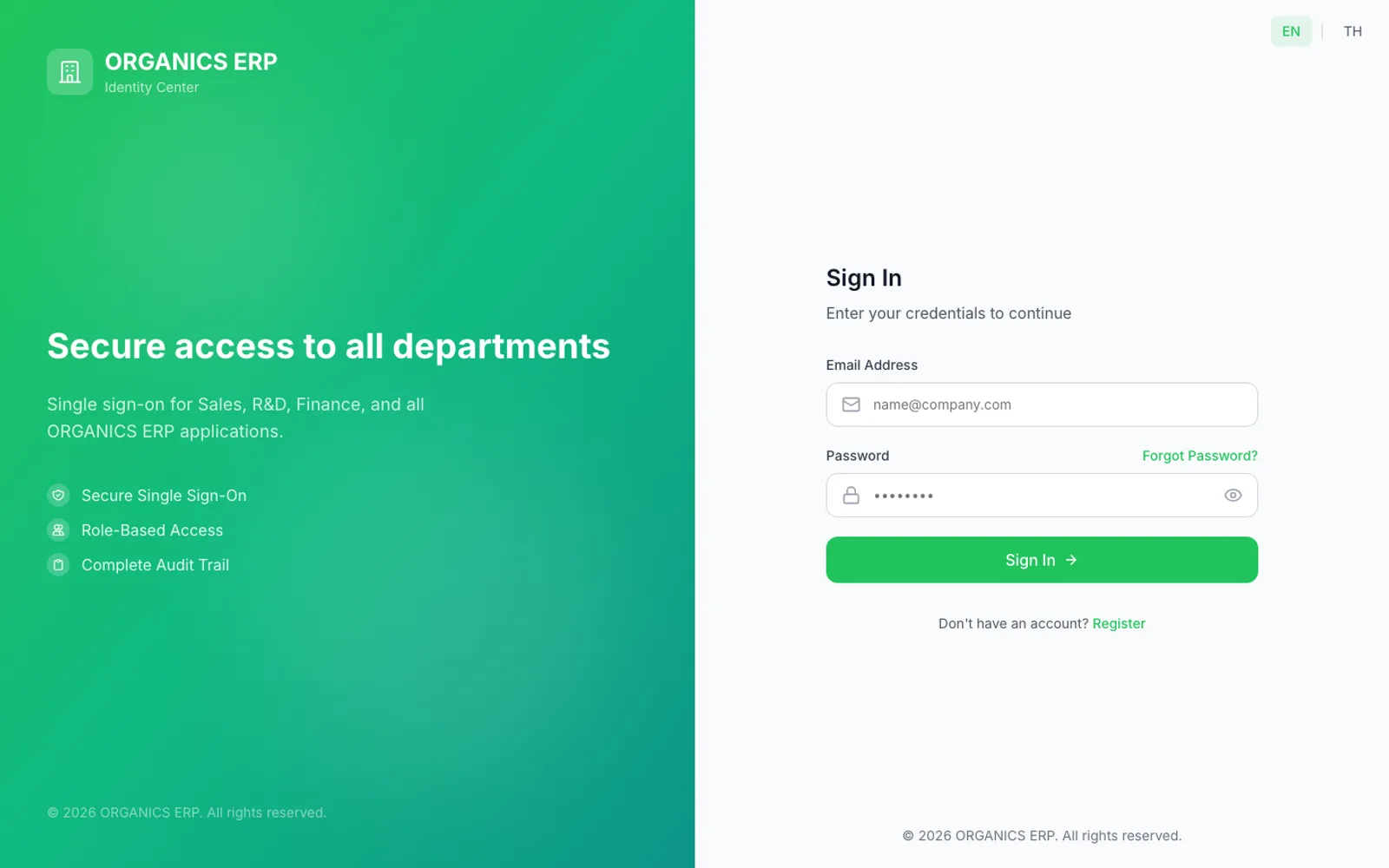
Each team works in its own console behind one sign-in, seeing the work its role and department allow.
A product’s brief, formula, packaging list, production request, purchases, receipts and QC results stay linked, so any step can be traced back.
Self-approval is refused by design, and every change is logged with who made it and what it changed.
Shortfalls turn into purchase requests from the plan, and production starts only once every material line has been issued.
Staff across departments working in one system
Sales, R&D, design, plant, procurement, warehouse, finance, executive and admin
From viewer to super admin, layered on each user’s role and department
Gallery
01·Gallery
Warehouse: lot tracking, QC before use, earliest expiry out first
02·Gallery
Every approval and change kept on record
03·Gallery
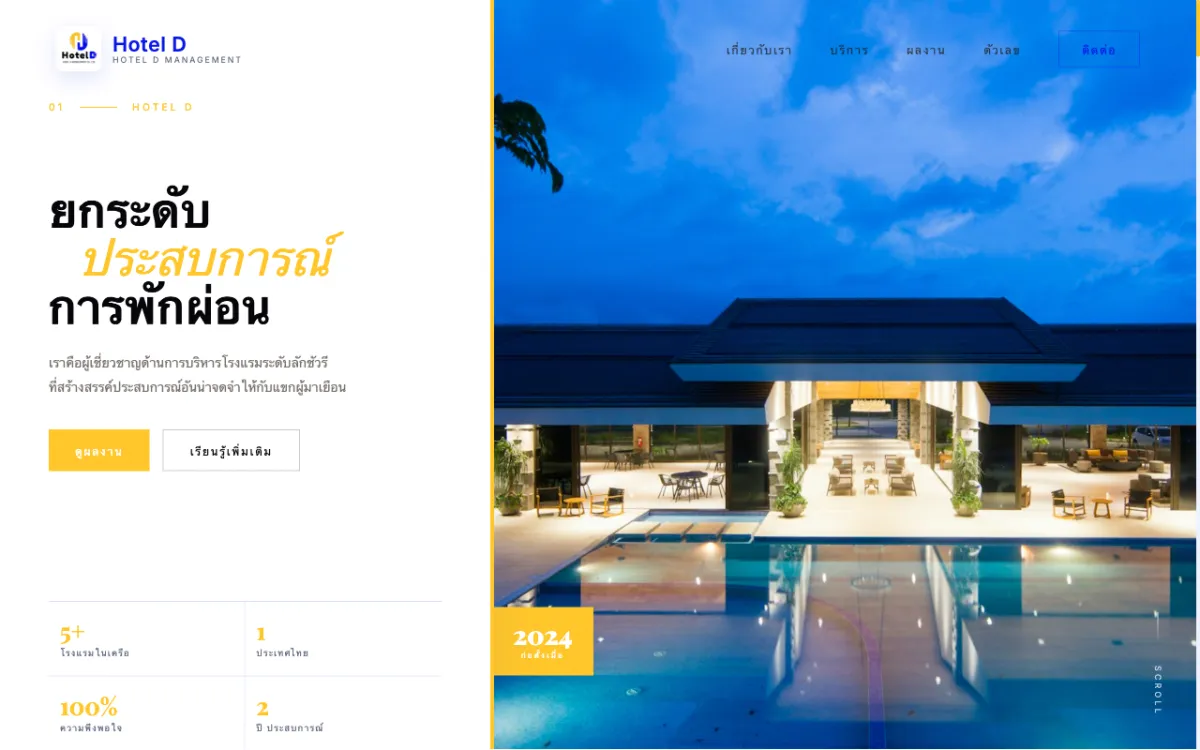
Corporate site for a full-service hotel-management firm serving properties across Thailand. Bilingual.
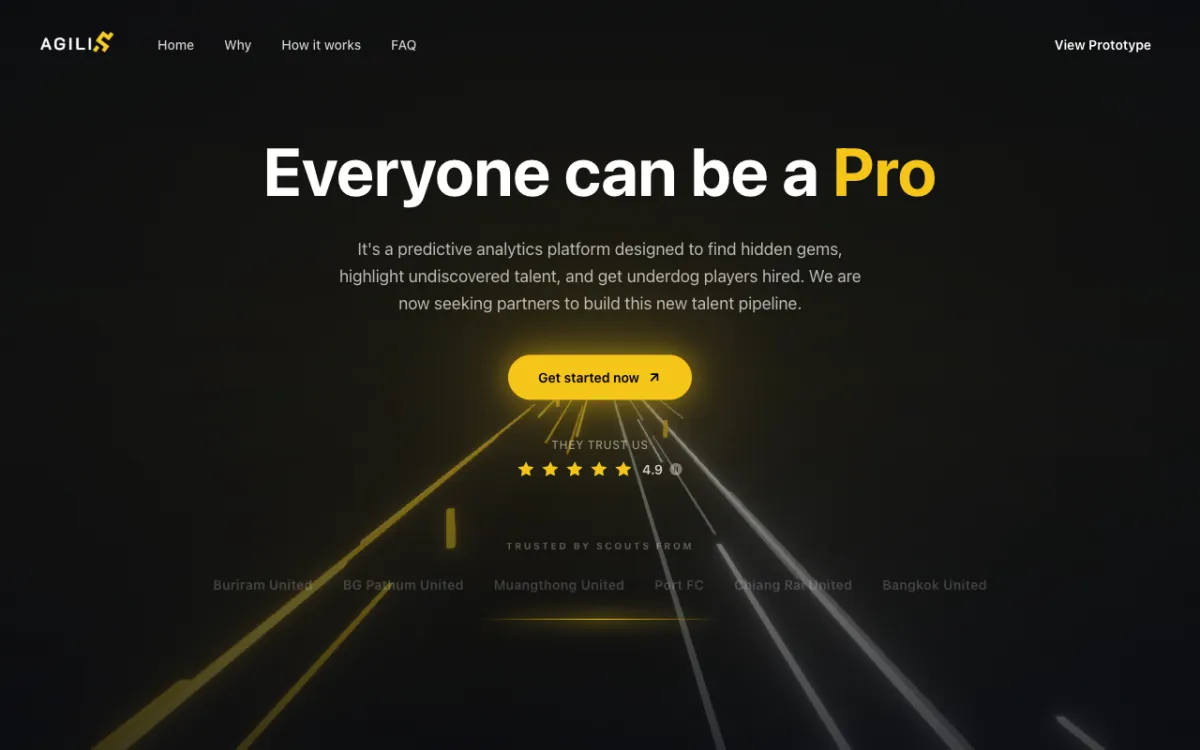
Football scouting platform (prototype stage) connecting players with scouts and clubs.
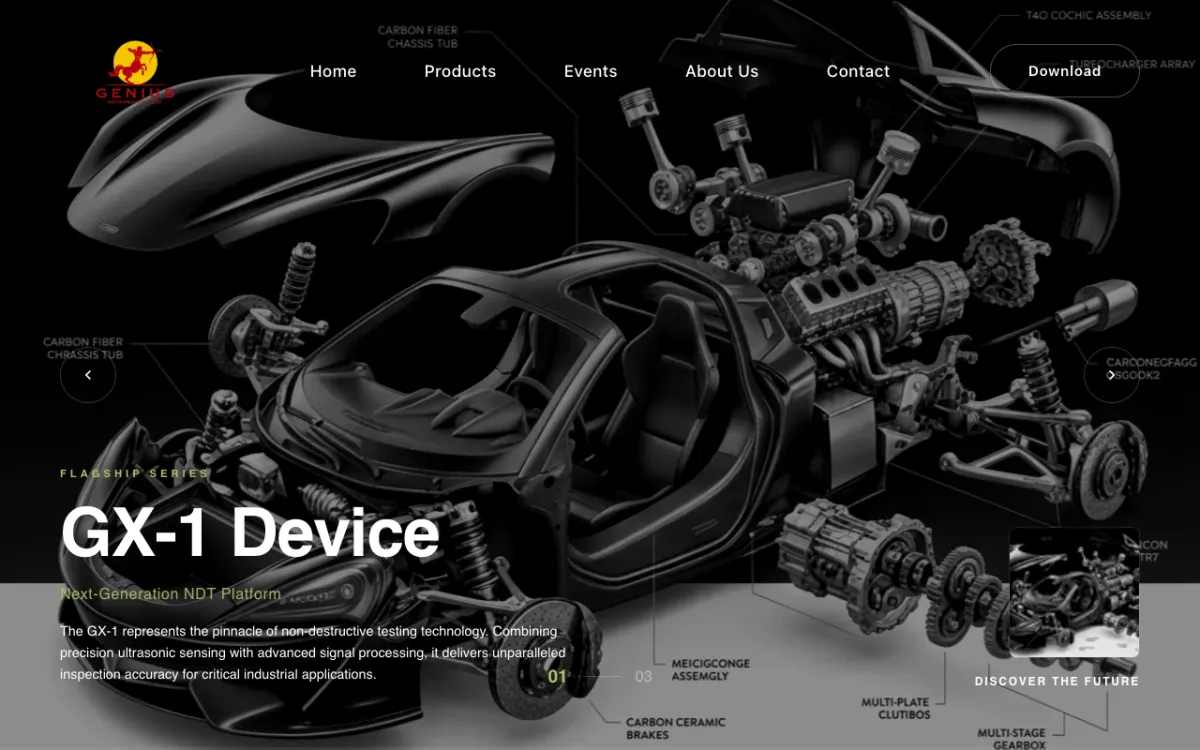
Product and services site for a supplier of NDT systems, coordinate measuring machines (CMM) and 3D scanners.
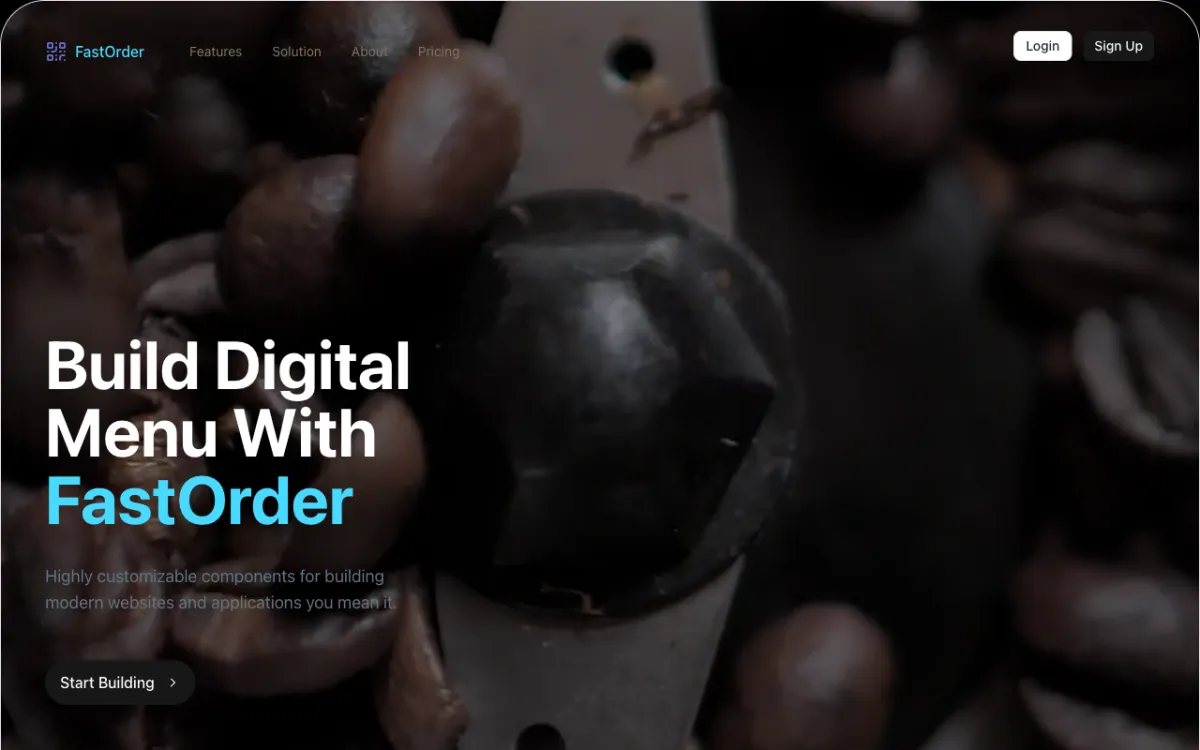
Digital-menu and QR order-management system for restaurants.
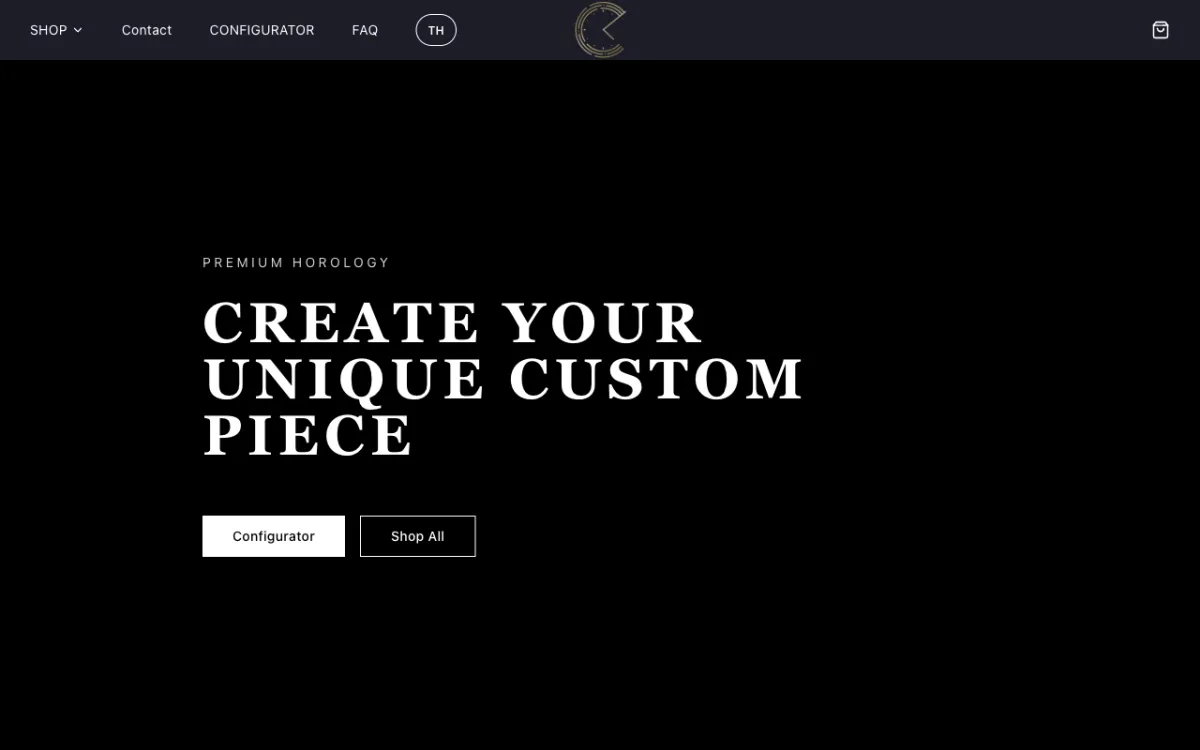
E-commerce store for custom Seiko mod watches with a configurator.
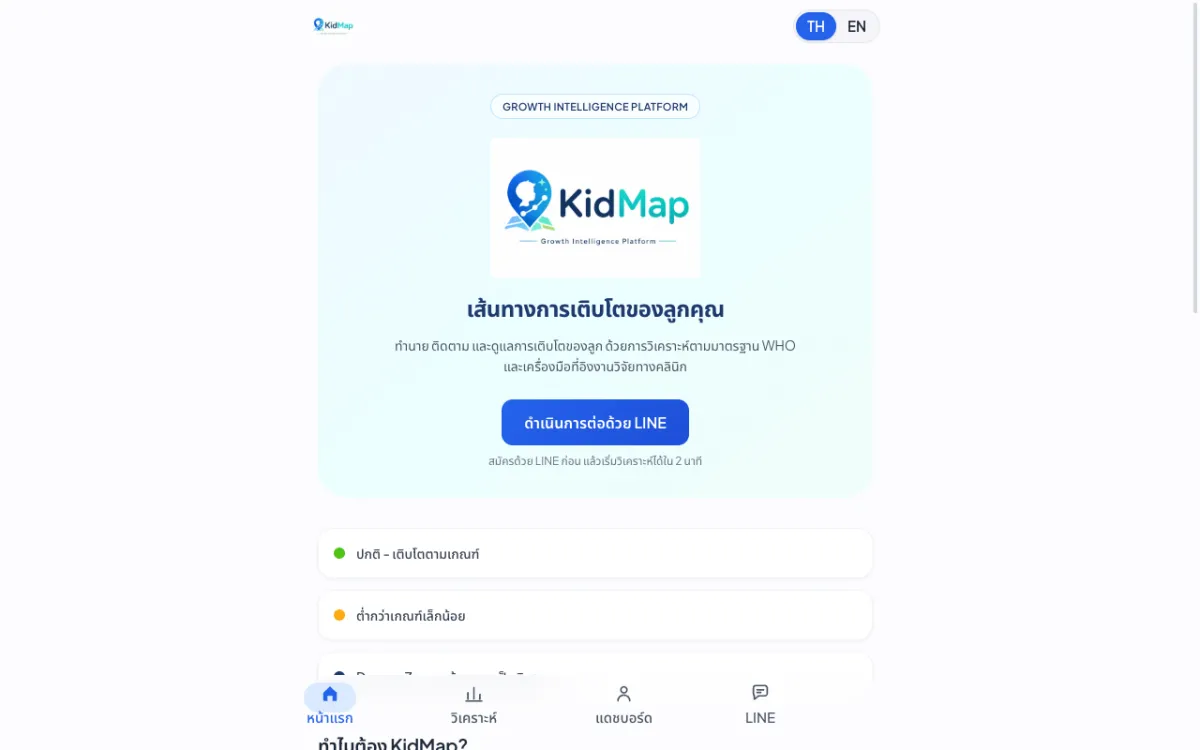
Platform that predicts and tracks children’s growth against WHO standards.
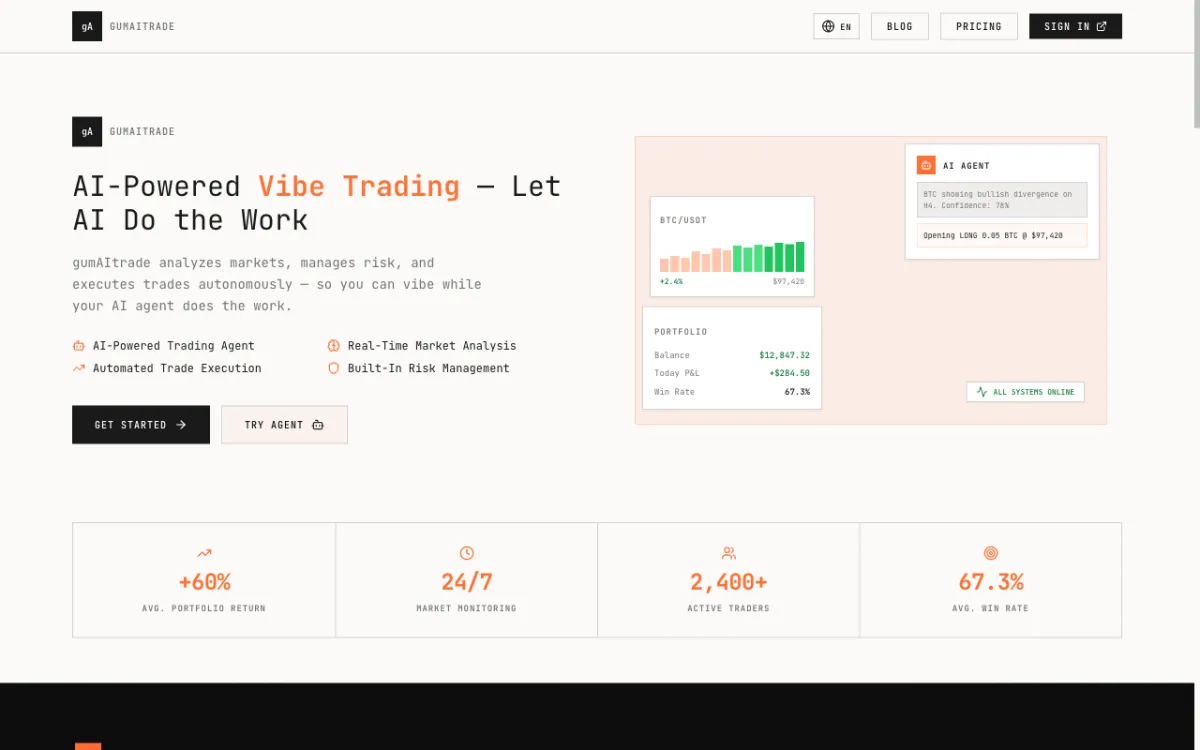
Product site for an AI crypto trading bot built around a “vibe trading” concept.
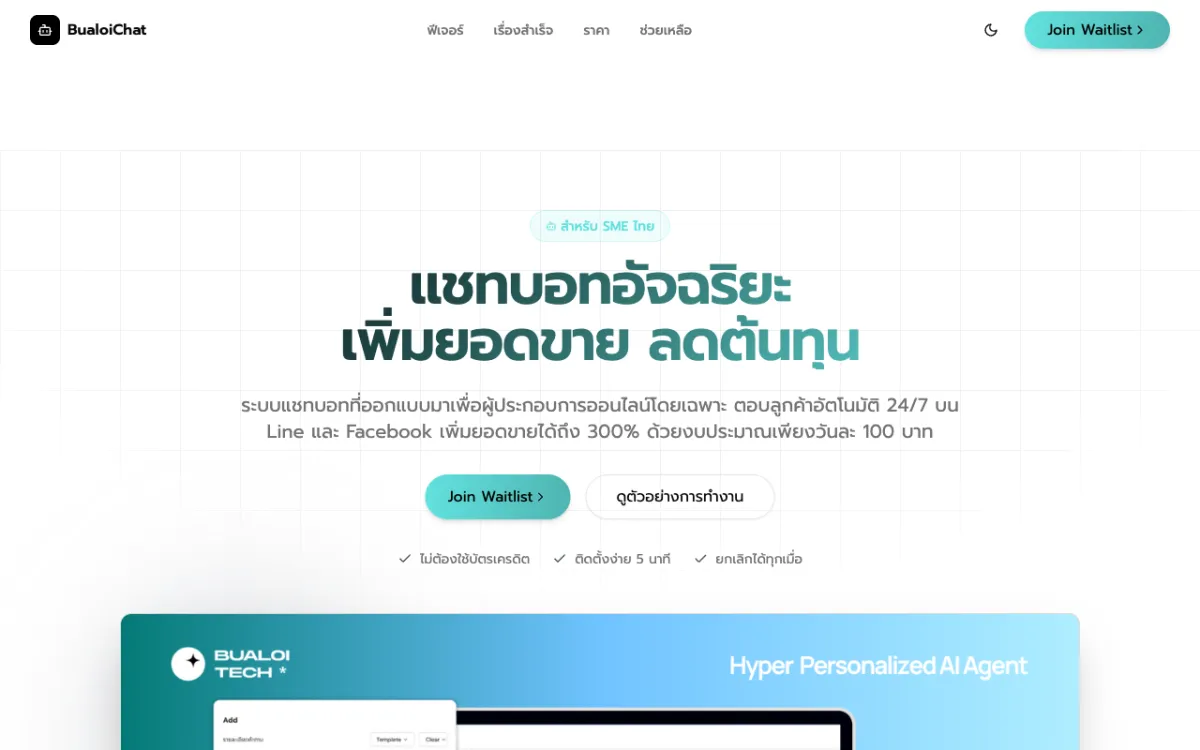
Pre-launch landing page for an AI chatbot service that answers SME customers on LINE OA and Messenger.
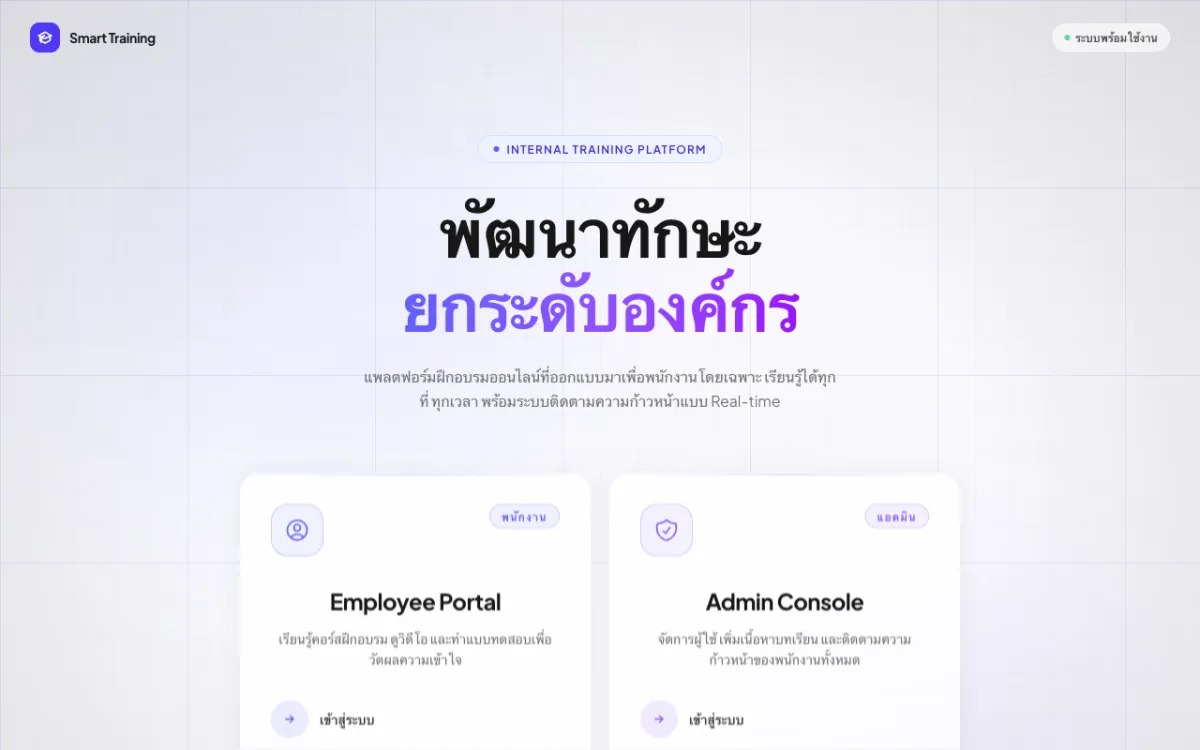
Internal employee training (LMS) with video courses and quizzes.
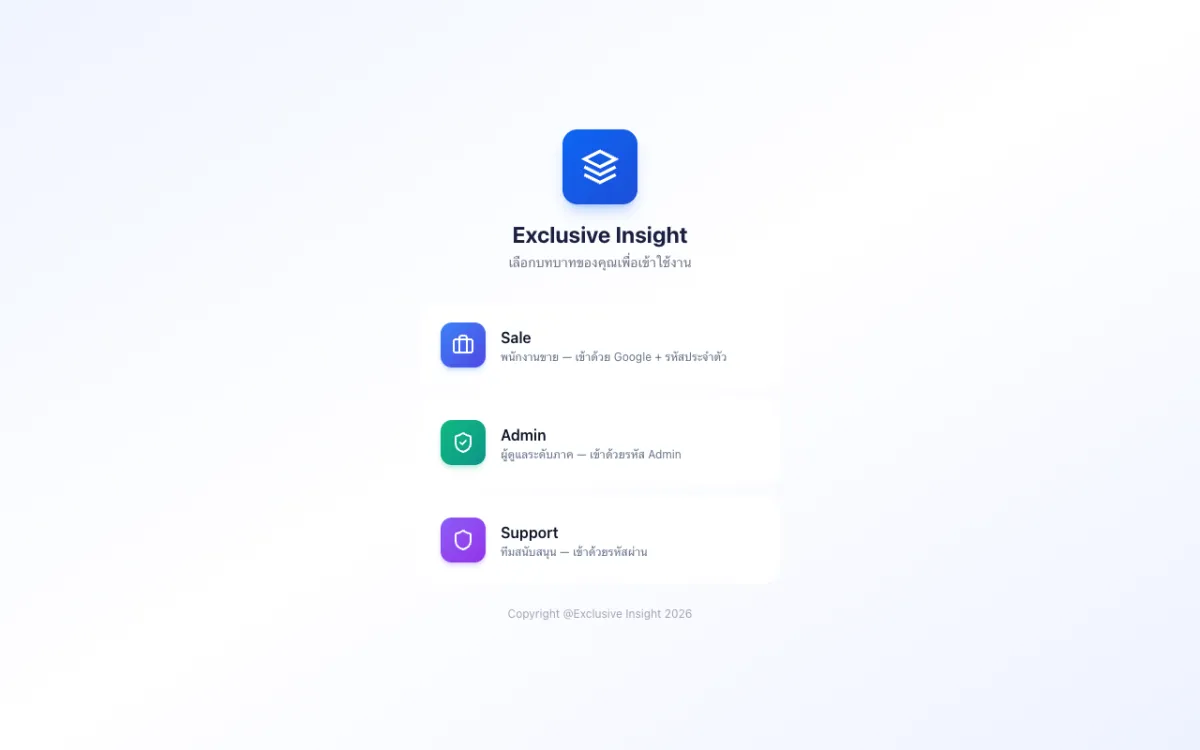
Role-based CRM with Sales, Admin and Support access.
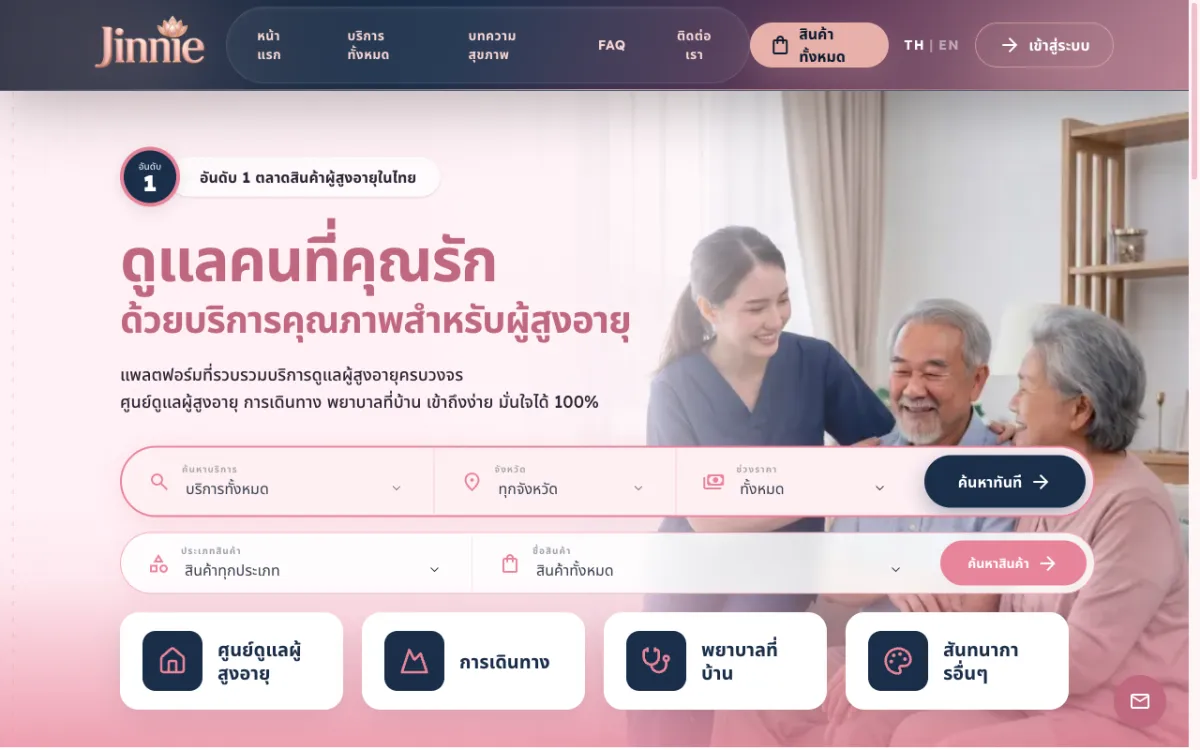
Platform to find and book elderly-care services across 12 categories from many providers.
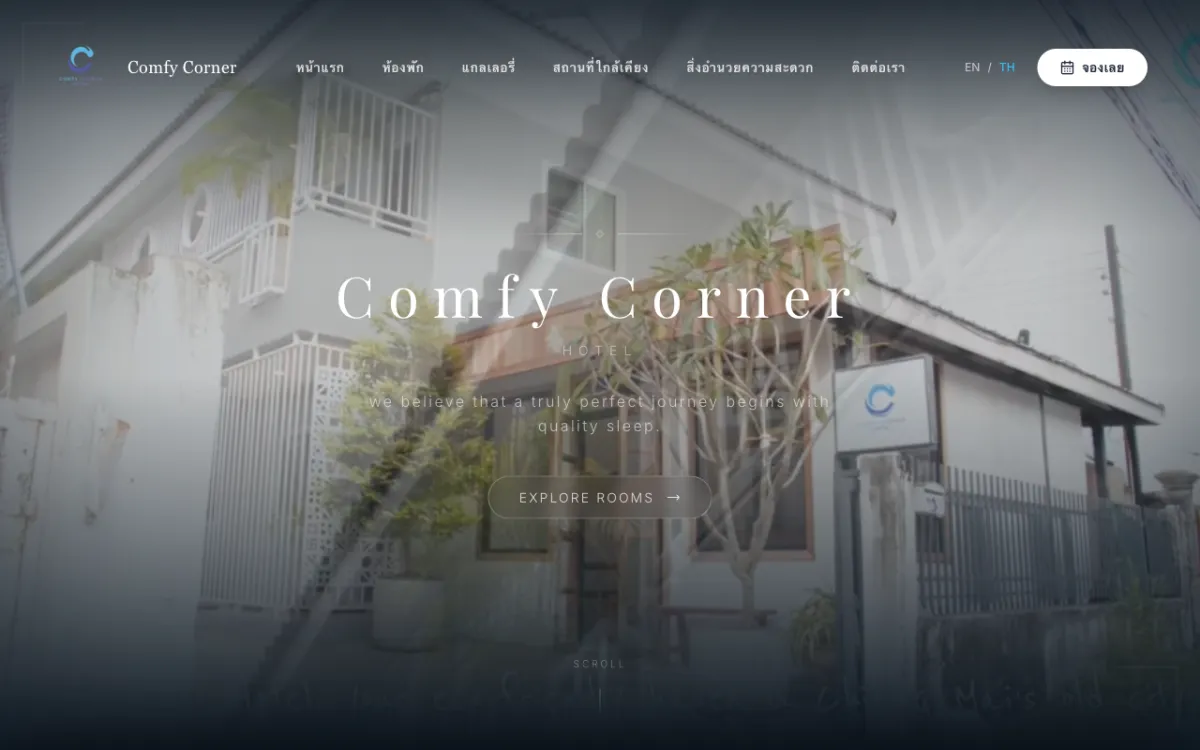
Booking site for a boutique budget hotel in Chiang Mai. Bilingual.
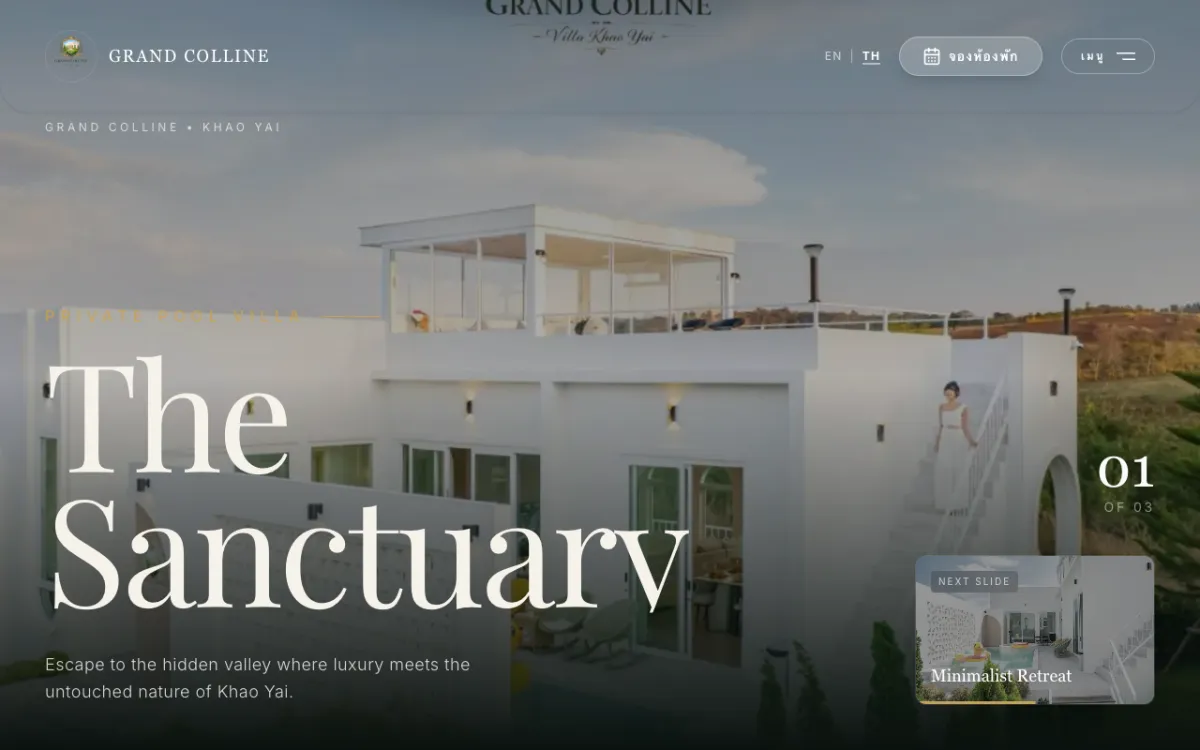
Private luxury pool-villa resort in Khao Yai; books via Agoda/Trip.com. Bilingual.

Khao Yai resort site with a “music meets nature” concept. Bilingual.
Site for a premium real-estate developer and home-builder. Bilingual.
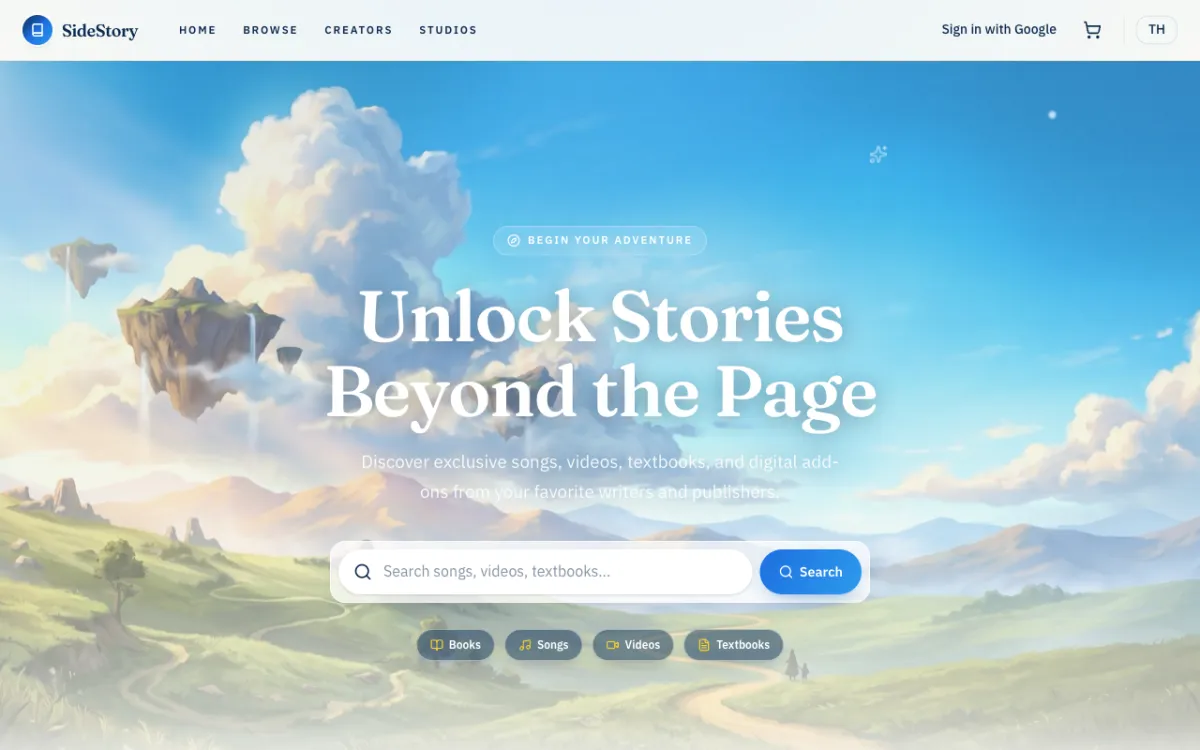
Digital-content marketplace for Thai writers and publishers.
AI analytics for LINE Official Account group chats, with automatic conversation summaries.
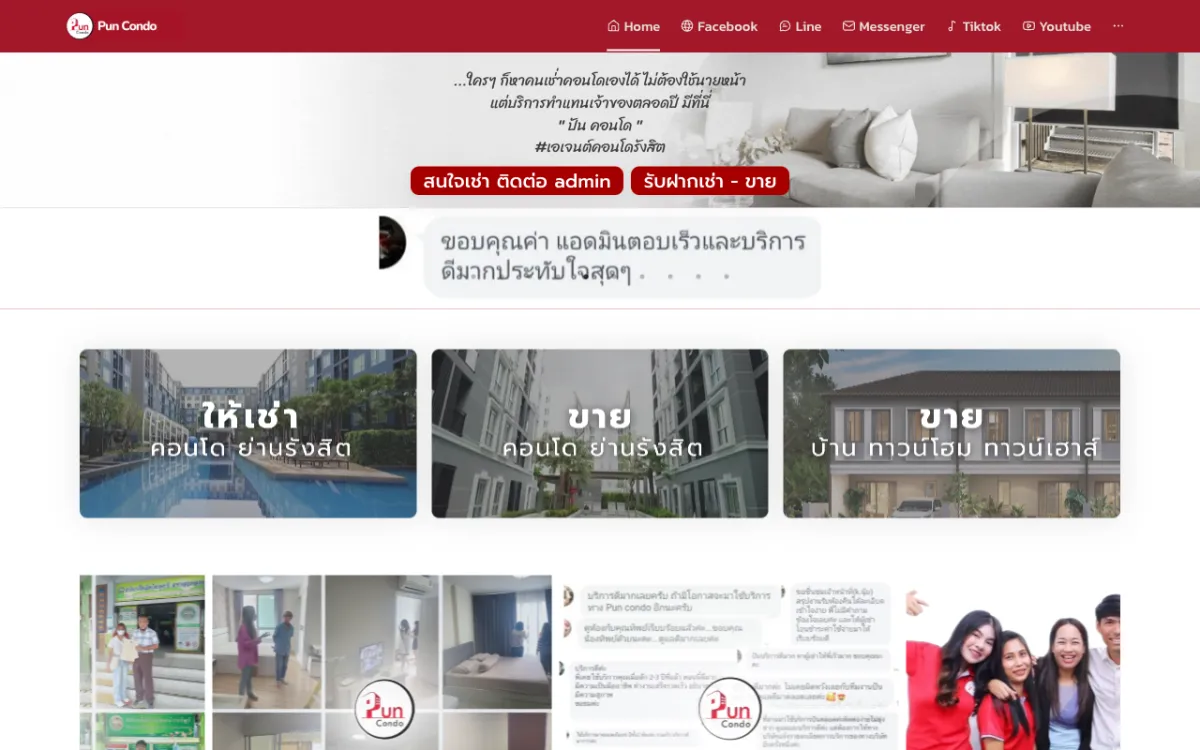
Real-estate platform with property listings and an admin back-office.
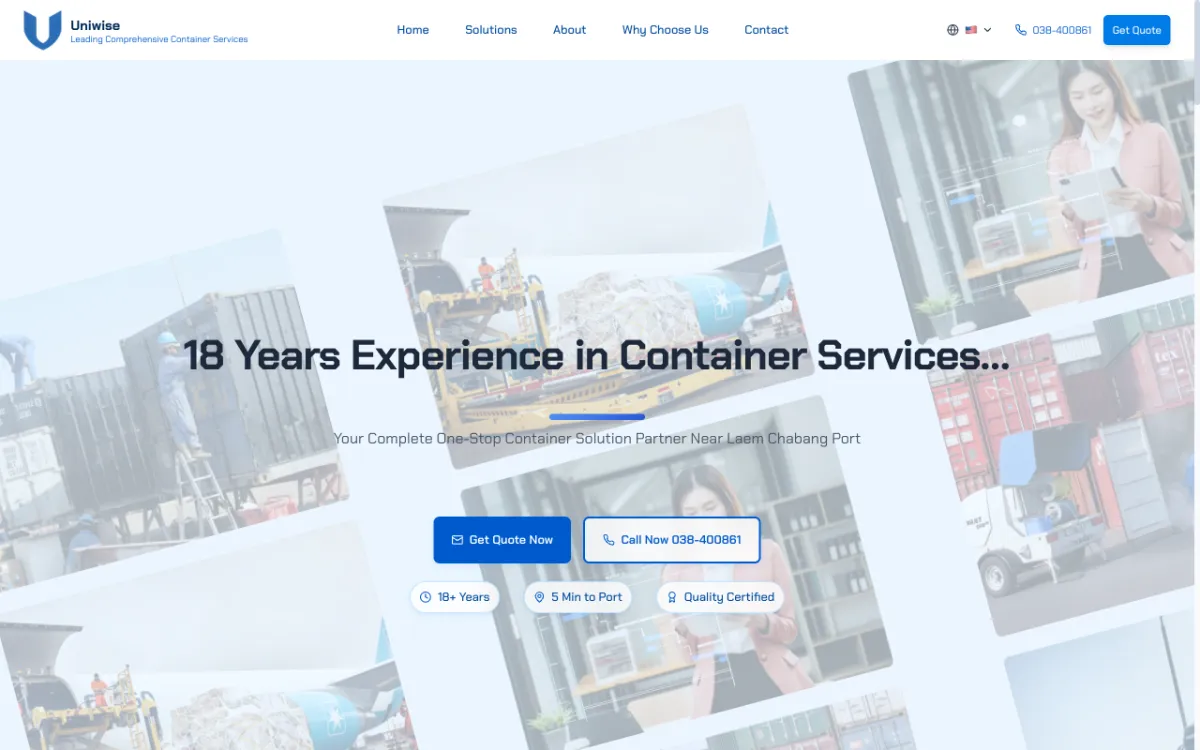
Site for a container yard near Laem Chabang Port. Thai, English and Chinese.
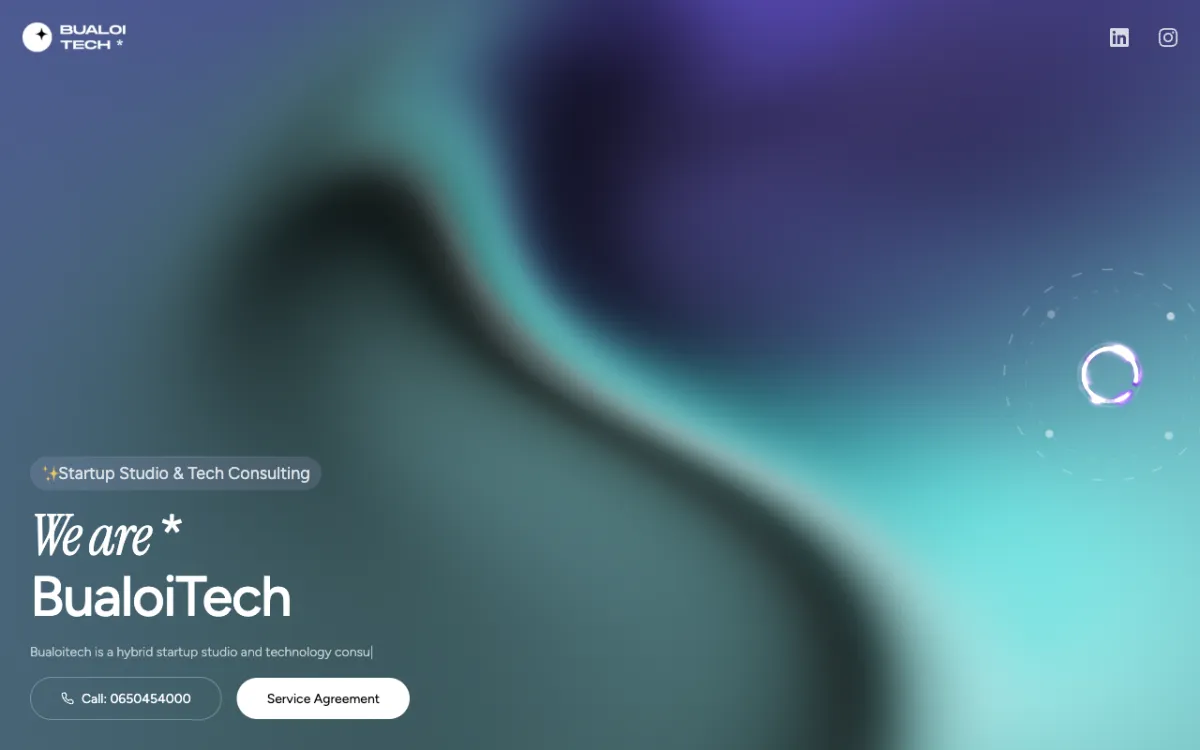
Landing page for a startup studio & tech consultancy focused on MVPs.
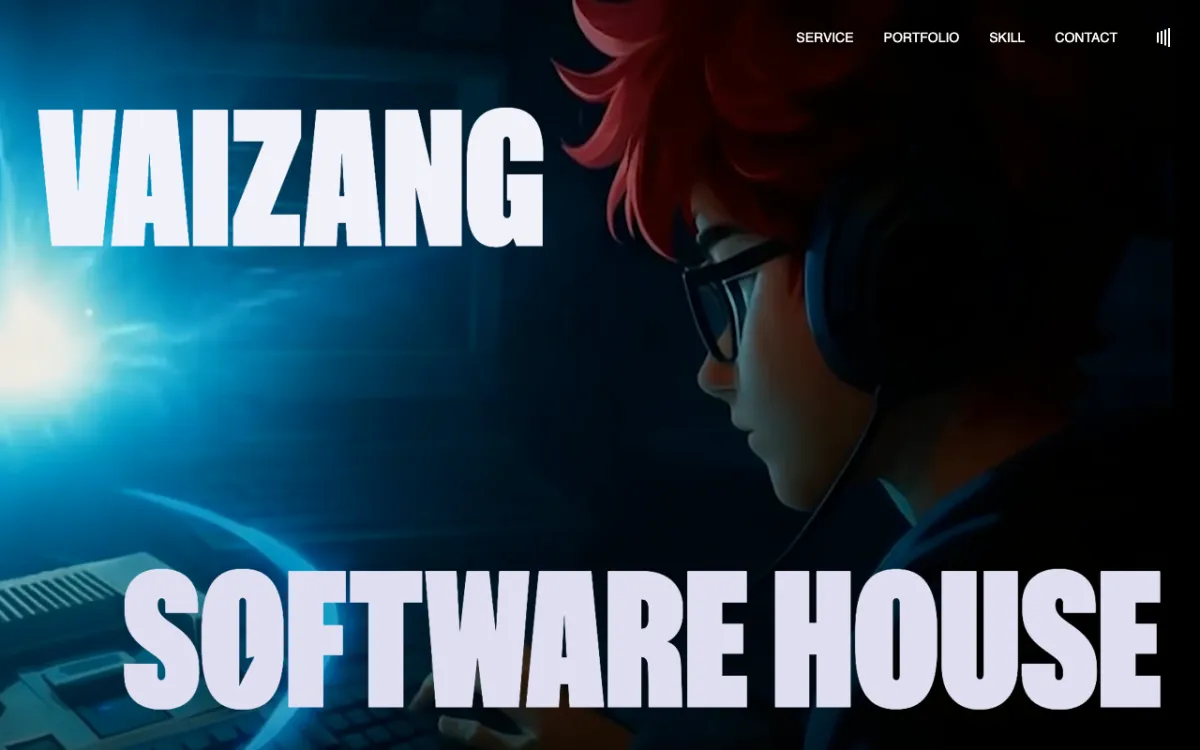
Brand site for a software house founded by Chula students, serving Thailand & ASEAN.
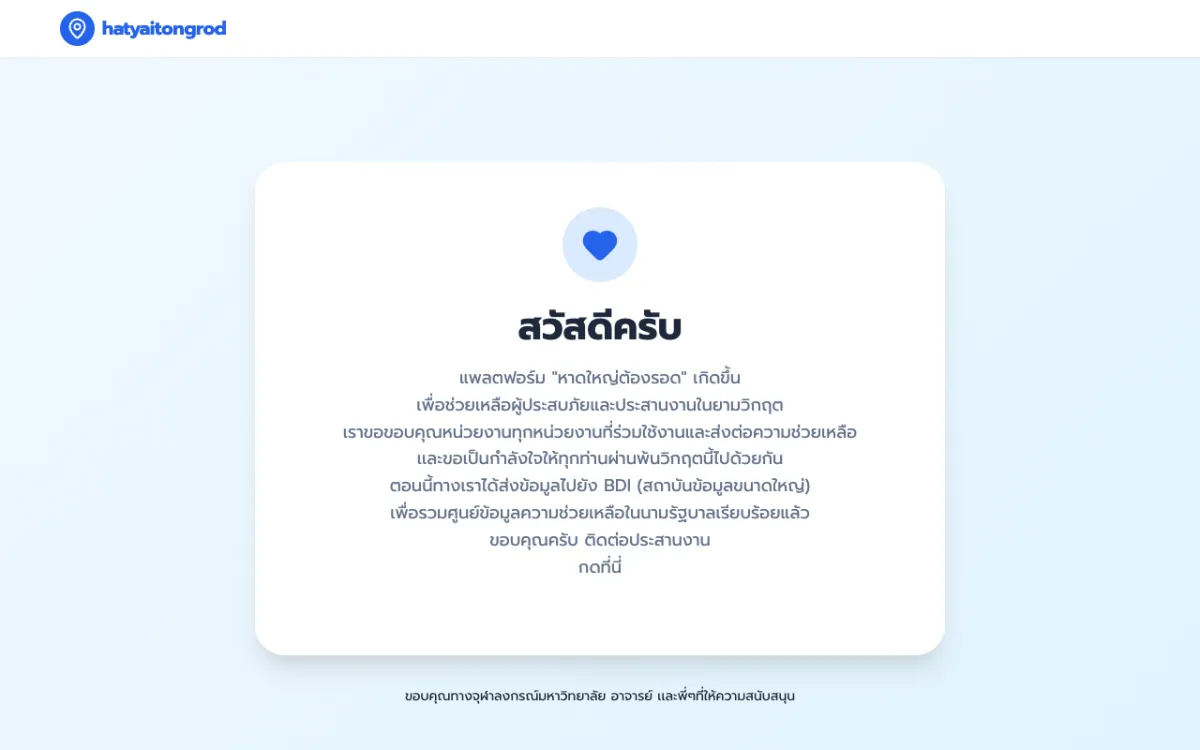
Crisis web app that served 1,000,000+ concurrent users during the Hat Yai floods.
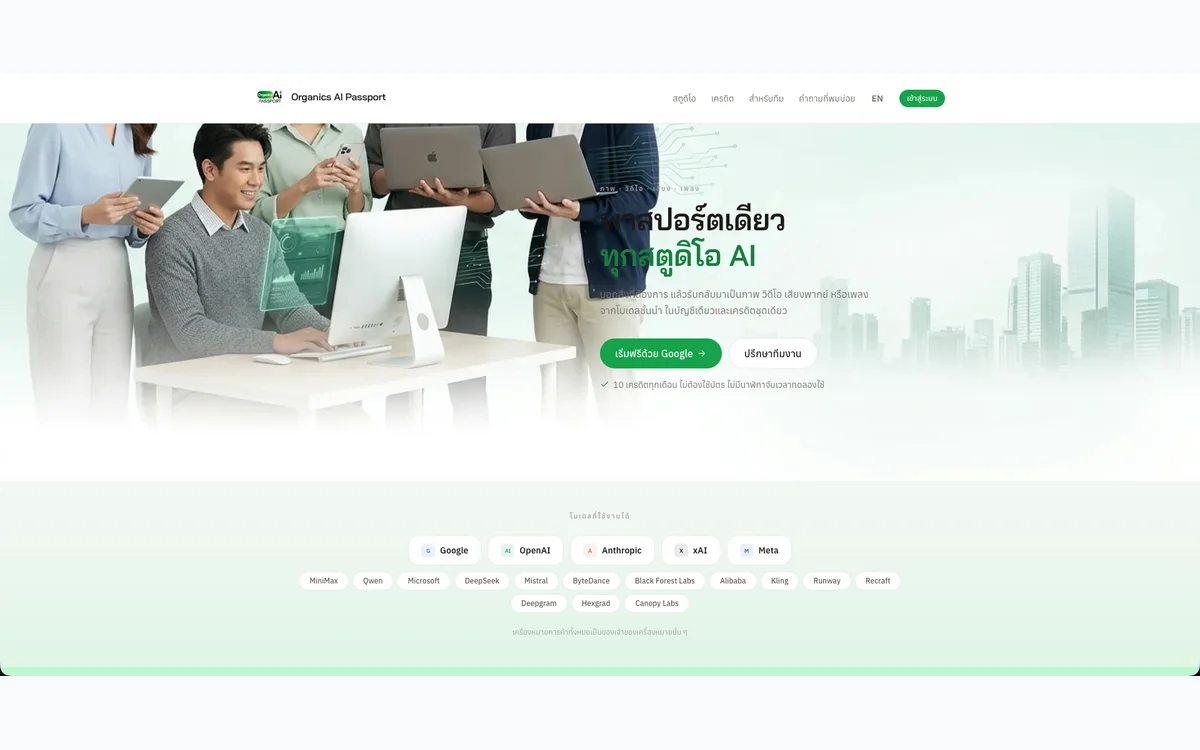
One account to generate images, video, voiceovers and music with AI, metered by a single credit balance.
Sales brief system that carries an OEM product brief from intake through quotation to delivery tracking.
AI workspace for a cosmetics R&D team to find ingredients, check stock, and draft, cost and revise formulas.
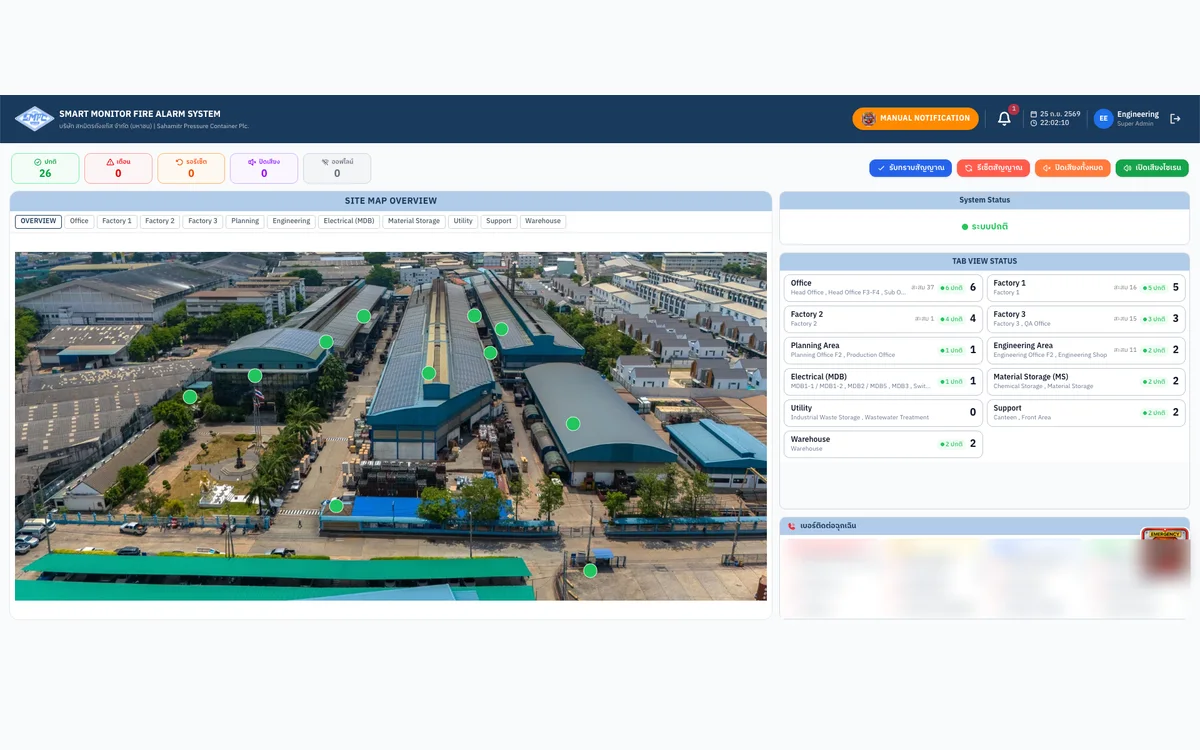
Real-time fire-alarm monitoring web app for a factory, wired directly to its PLC.
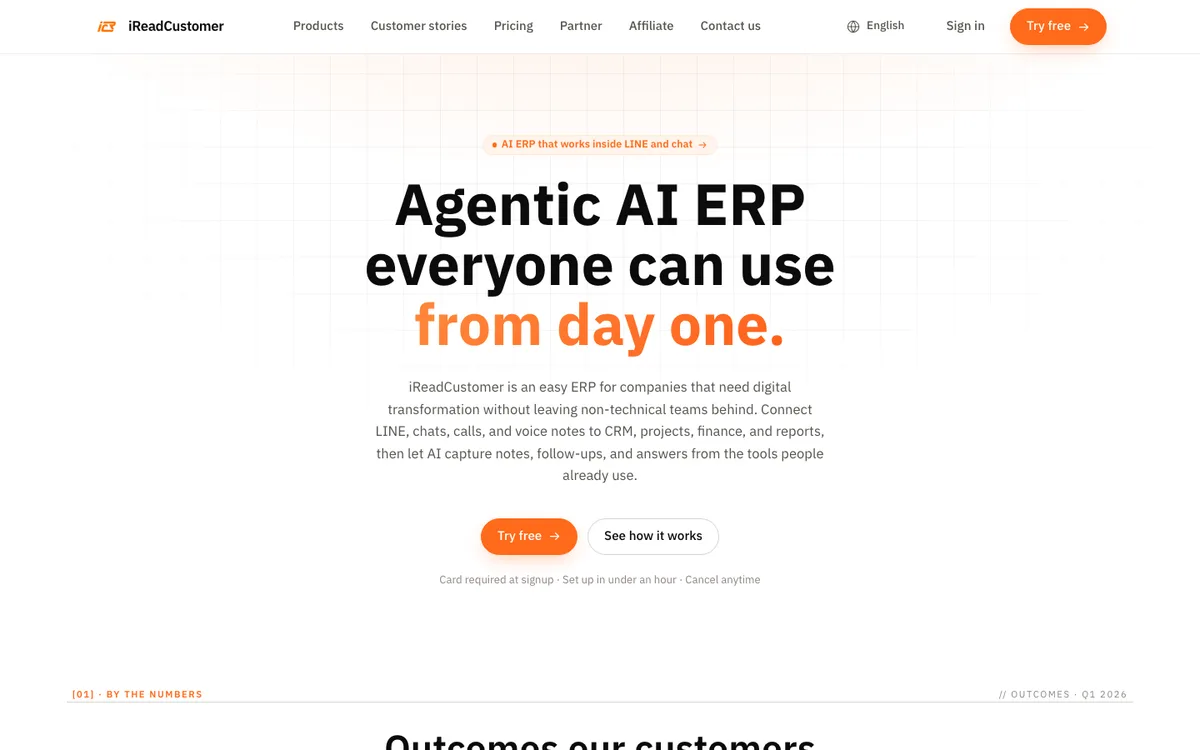
AI-agent ERP that connects LINE chats and voice notes to CRM, projects, sales and accounting.
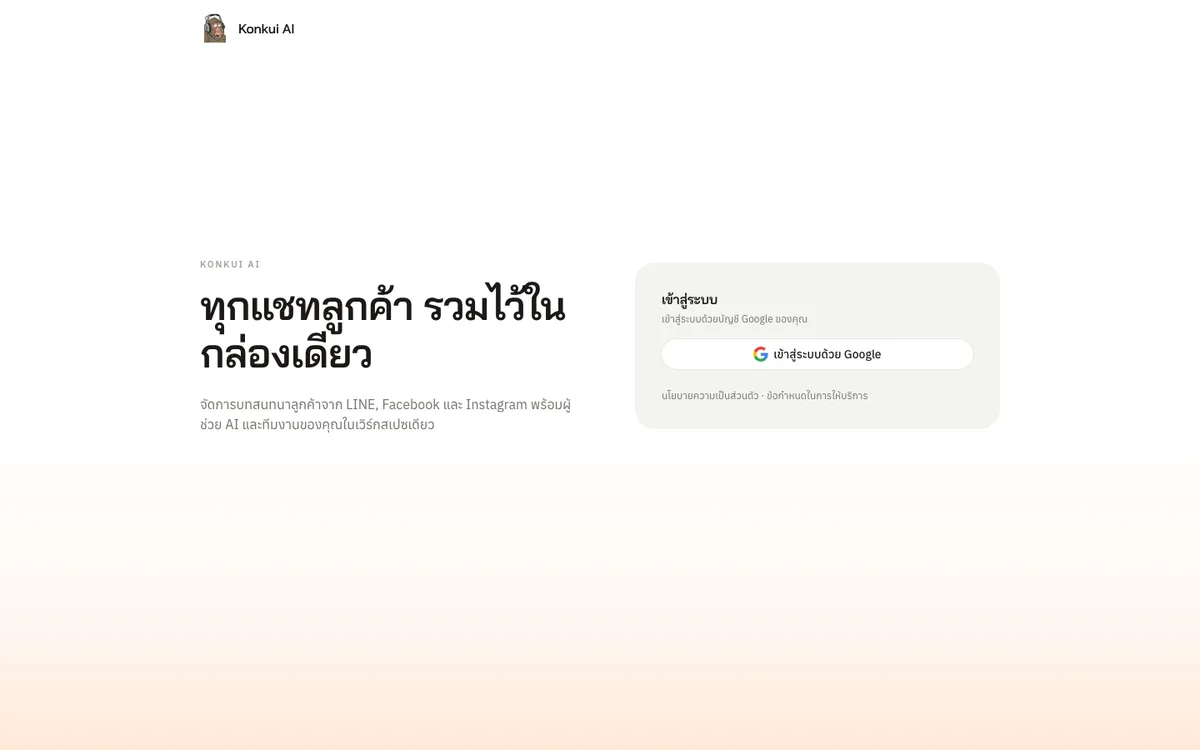
One inbox for LINE, Facebook and Instagram customer chats, with an AI Assistant that answers first and hands off to the team.
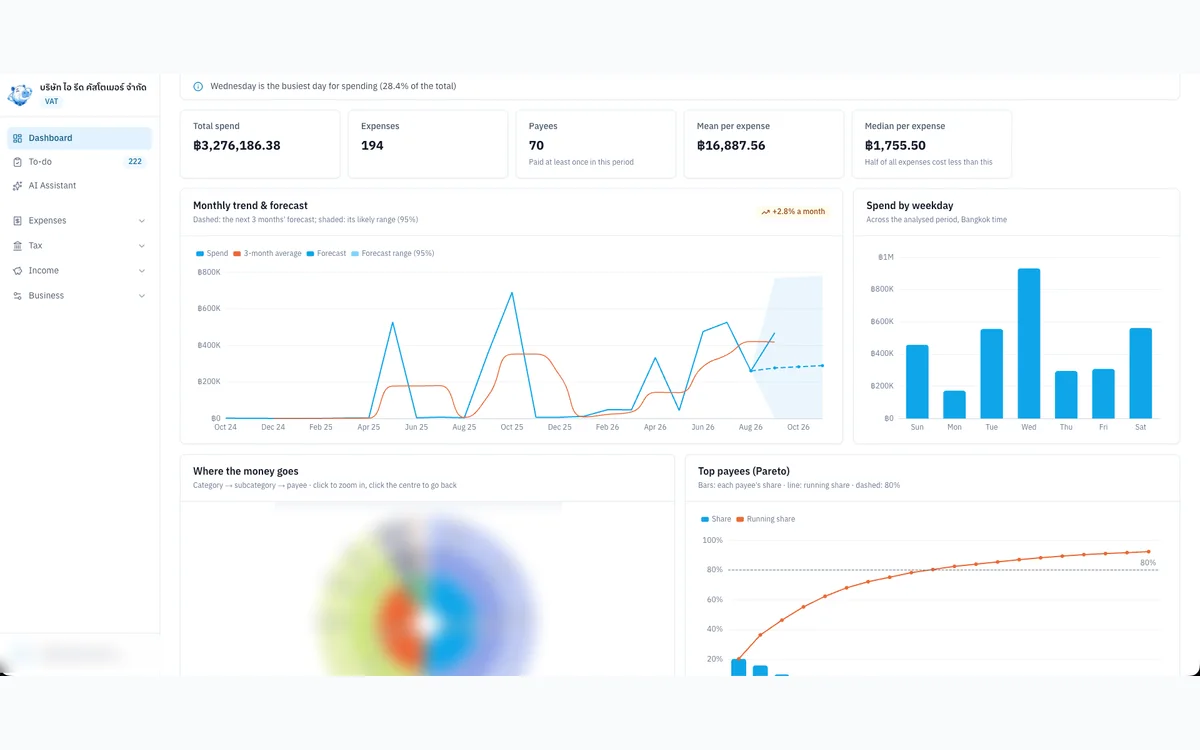
Internal tool that organises expense evidence, input VAT and P.P.36 for a VAT-registered Thai company.
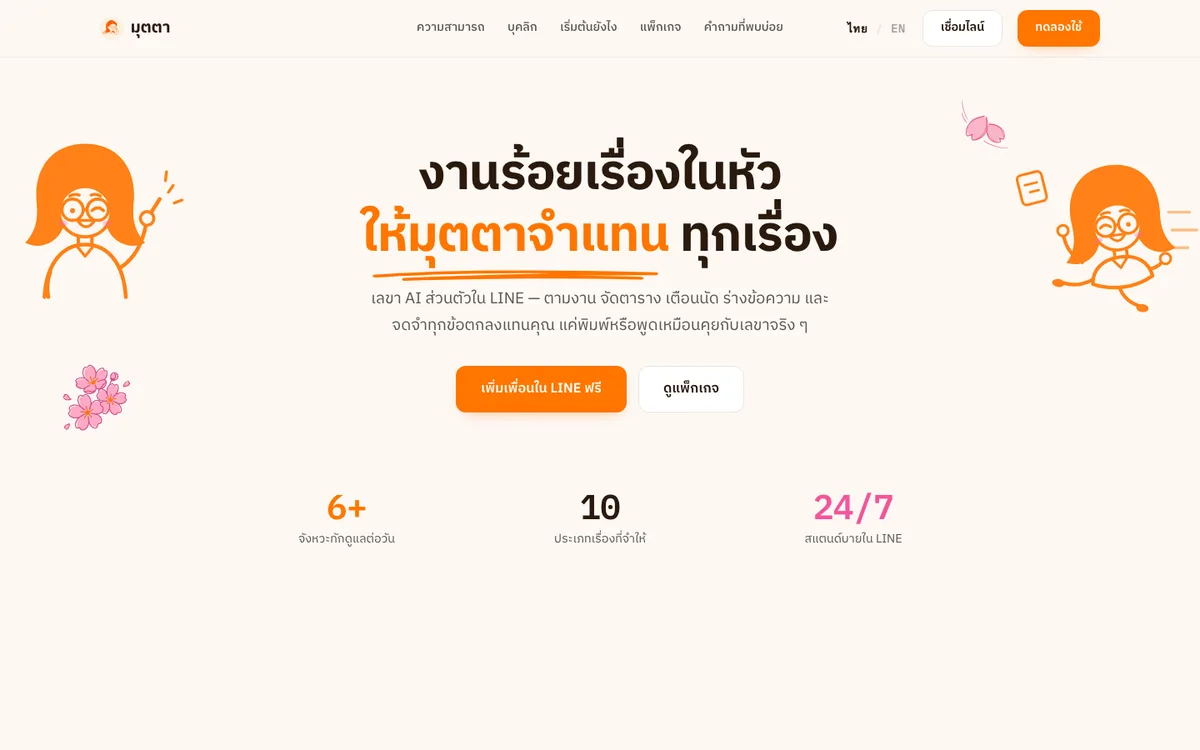
An AI personal secretary in LINE that chases follow-ups, keeps your schedule, drafts messages and remembers every agreement.

AI short-form video editor that cuts dead air, adds captions and exports ready-to-post clips.
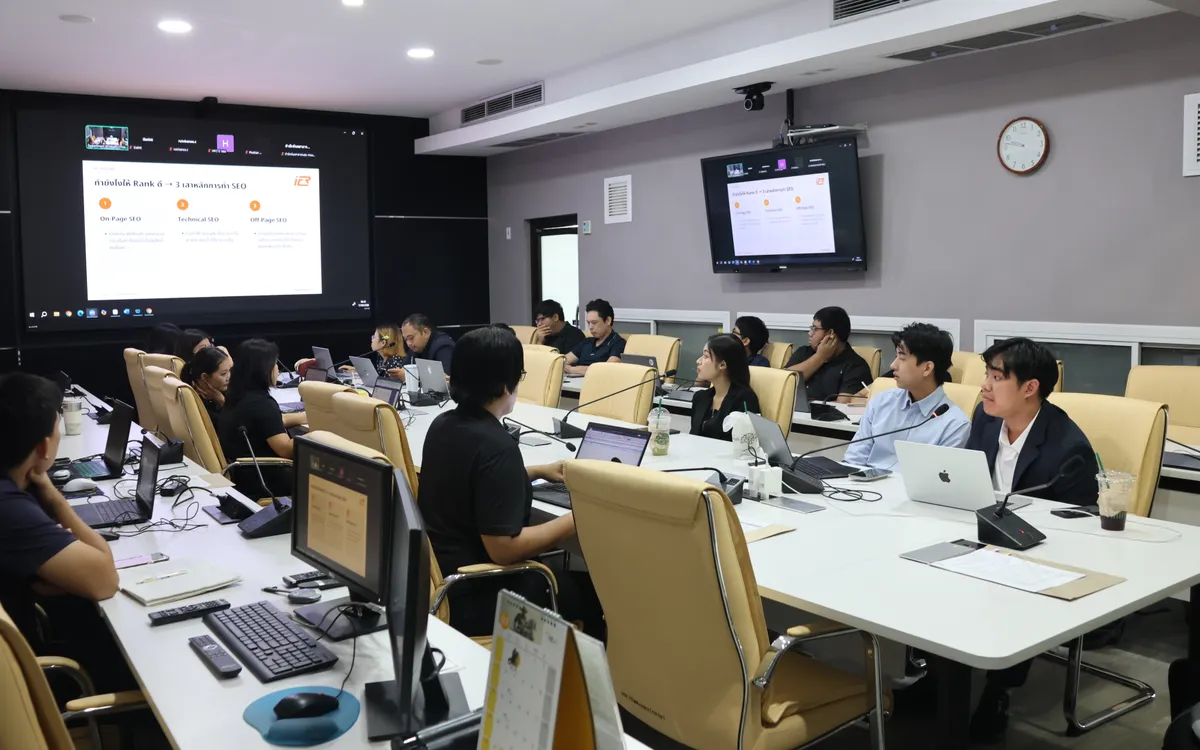
Onsite training and hands-on workshop (09:30–16:00) that helps the Department of Health’s web teams make articles easier for Google and AI search to find, understand and cite.
Contact Us