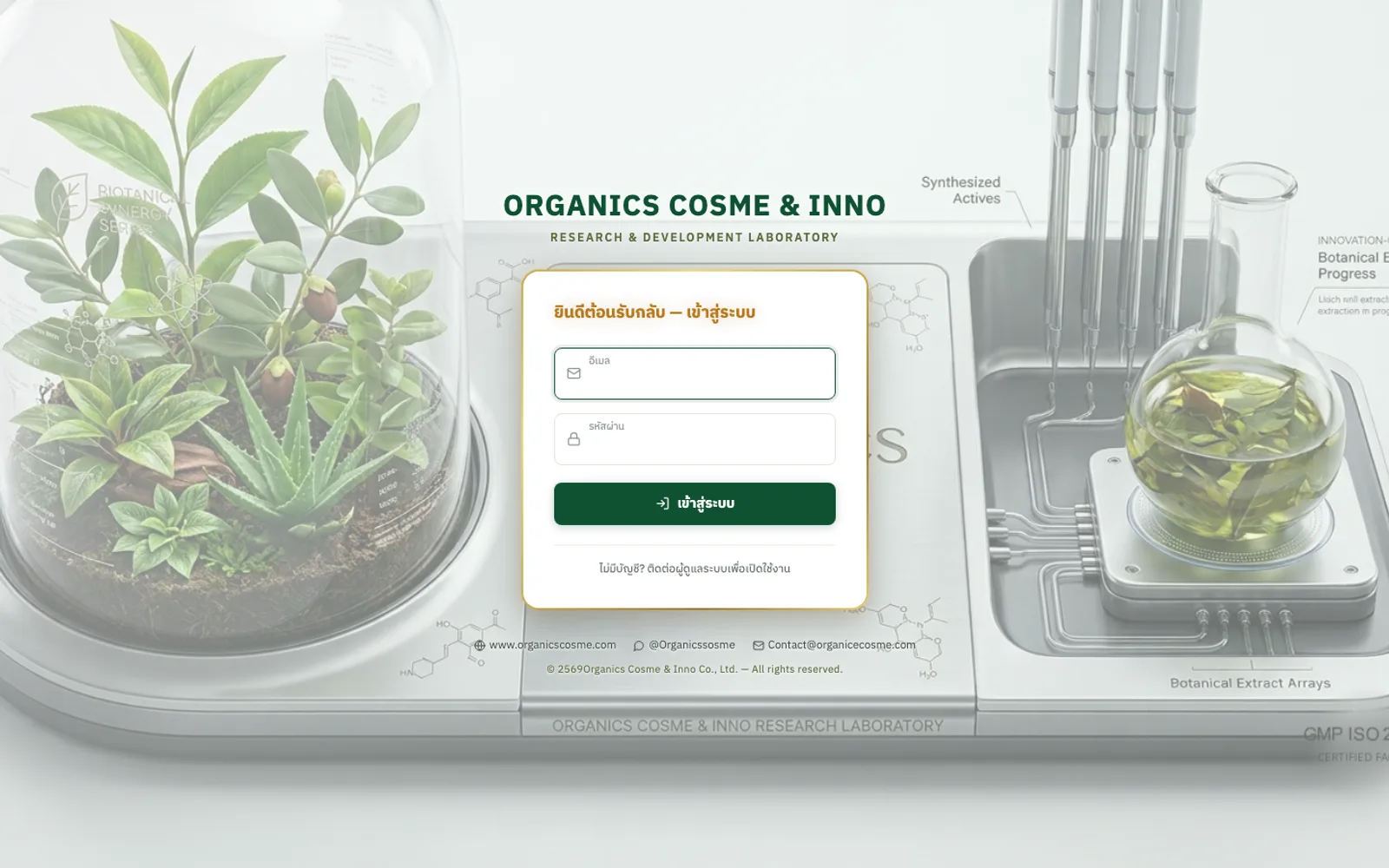
01·Gallery
Multi-step TH/EN brief wizard with print/PDF
R&D pipeline and production boards fed from the ERP
Sales brief system that carries an OEM product brief from intake through quotation to delivery tracking.
From brief intake to delivery, each stage with a deadline
INCI decoding, ingredient advice, regulatory and claim checks, customer replies and more
Web search with sources, factory raw-material stock, PubChem chemical identity and a lab-test reference
OEM Brief digitises Organics Cosme & Inno’s OEM product-brief lifecycle — from receiving a customer’s brief through formulation, sampling, stability testing, Thai FDA notification, artwork and production to delivery — replacing a shared spreadsheet. Sales capture briefs in a multi-step Thai/English wizard, build quotations the customer signs online, and discuss each brief in its own chat thread. Boards pull current R&D projects and production requests from the company’s ERP, and an AI assistant helps decode ingredient lists and check claims and regulations.
Organics Cosme & Inno tracked every OEM product brief in one large shared spreadsheet, while specifications, files and decisions were scattered across private chat threads. Sales could not see where a brief stood in R&D, kick-off dates went unrecorded, and customers had to chase for updates. The brief was to carry each product brief through its whole lifecycle — intake, formulation, sampling, stability, Thai FDA notification, artwork, production and delivery — in one system with owners, deadlines and an audit trail, connected to the company’s ERP rather than duplicating it.
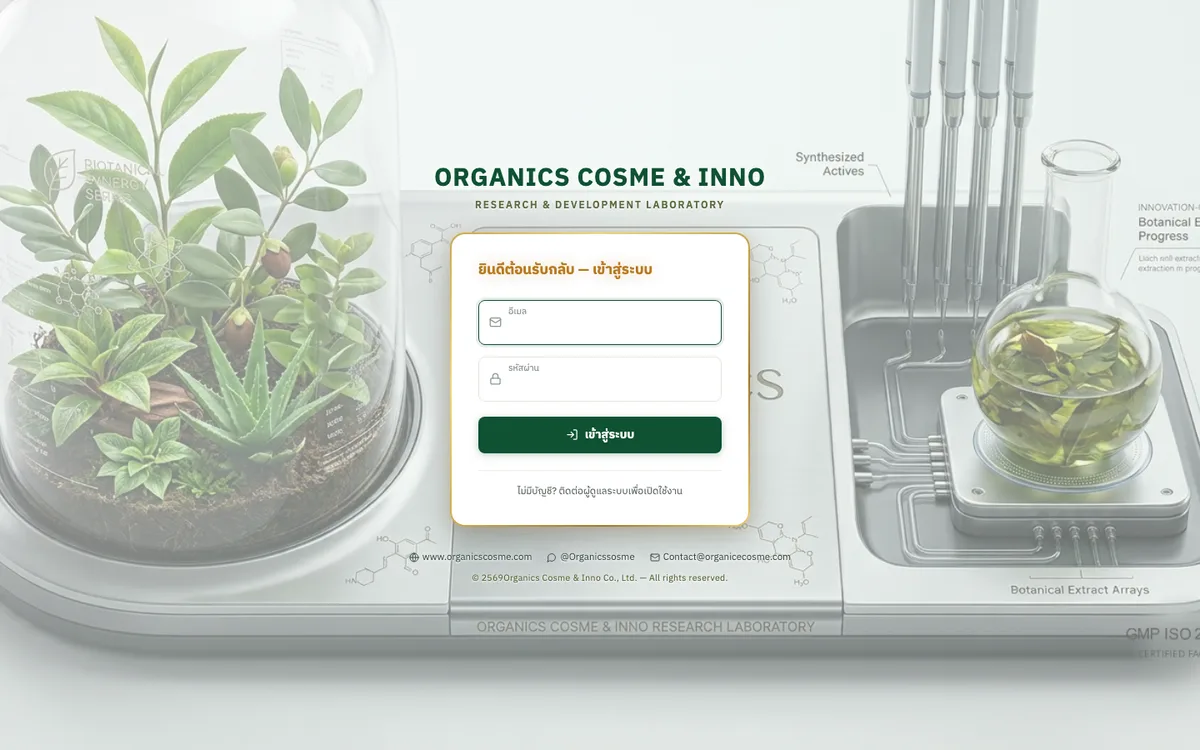
The ERP remains the company’s system of record, so we built OEM Brief as the sales front end to it — reusing the ERP’s accounts, customer codes and API contracts instead of rebuilding any of them.
Next.js 16 with tRPC v11, Zod and Prisma on MongoDB. Every procedure passes one authorization layer that combines role (admin, sales, R&D, management) with ownership, assigned customers, product category and stage, and every change to a brief, quote or client writes an immutable audit entry.
Sales and admin staff sign in with their ERP accounts. ERP customers appear in the app automatically, a buyer drills down from customer to brand to NPD project, and every new brief starts by choosing or creating the brand.
Each saved cosmetics brief with a customer is pushed to the ERP: the customer is created there if needed, a repeated push creates no duplicate, and a failure shows on the brief as its sync status. The R&D pipeline and production-order boards read live ERP data.
Customers open a tracking page and sign quotations through token links validated on the server. Each brief has its own chat thread, so decisions stay with the work instead of in private messages.
Built on the Vercel AI SDK, the assistant runs 13 skills in a tool loop that can search the web with sources, check factory stock, look up chemicals in PubChem and consult a lab-test reference mid-answer. Each run is logged with its provider and model to track AI usage.
OEM Brief is live in production, and every saved cosmetics brief with a customer reaches the ERP automatically. Pushing final formulas into the ERP is the next integration step.
Sales, R&D and management work each brief with its stage, deadline, chat and history in one place.
A tracking link shows the customer’s current stage, and quotations are signed online.
Customers and briefs sync with the ERP on their own, and the ERP’s R&D and production boards are visible inside the app.
The assistant decodes INCI lists, checks claims and regulations, and cites its web sources and factory stock as it answers.
From brief intake to delivery, each stage with a deadline
INCI decoding, ingredient advice, regulatory and claim checks, customer replies and more
Web search with sources, factory raw-material stock, PubChem chemical identity and a lab-test reference
Gallery
01·Gallery
R&D pipeline and production boards fed from the ERP
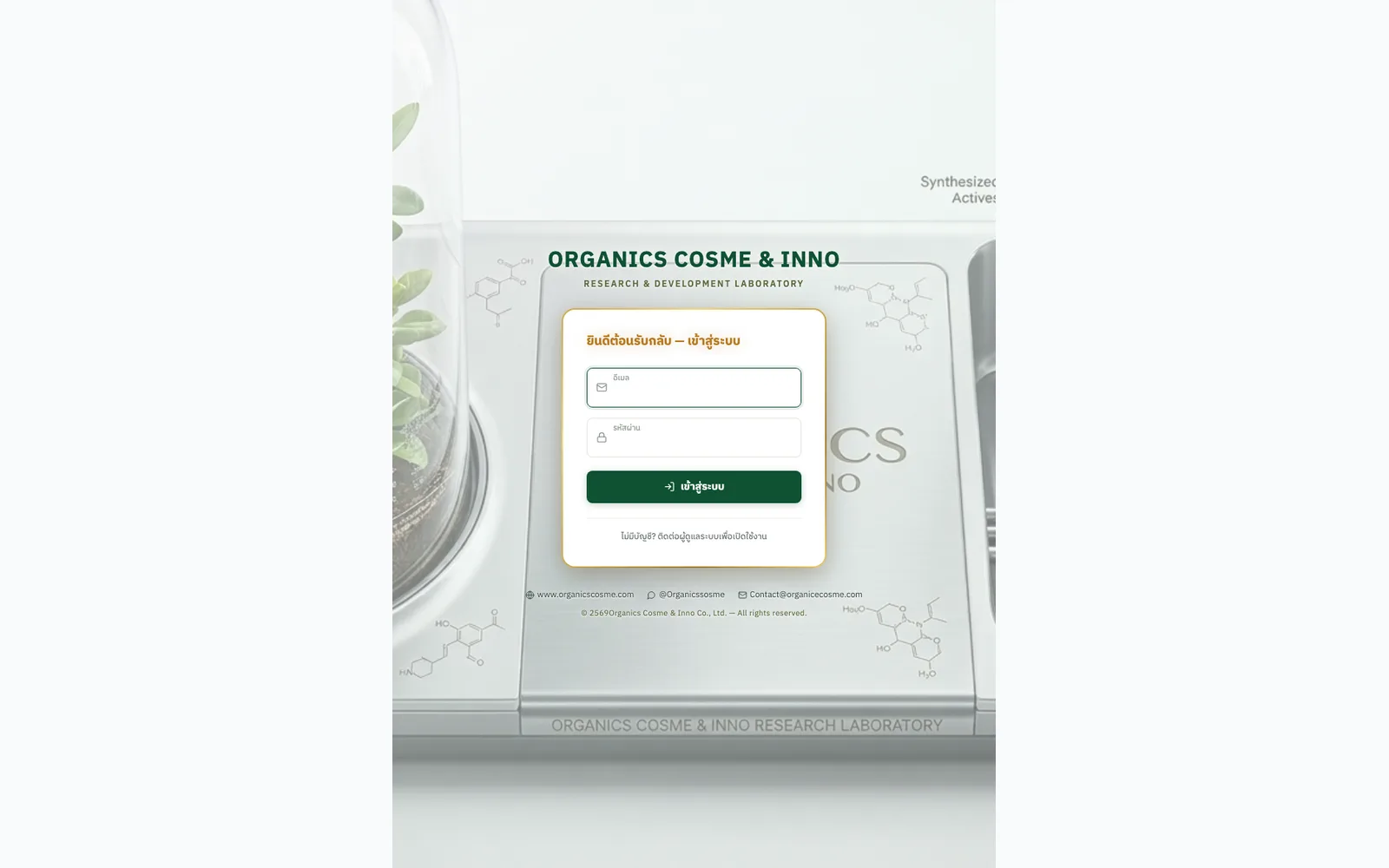
02·Gallery
AI assistant for INCI decoding, claim and regulatory checks
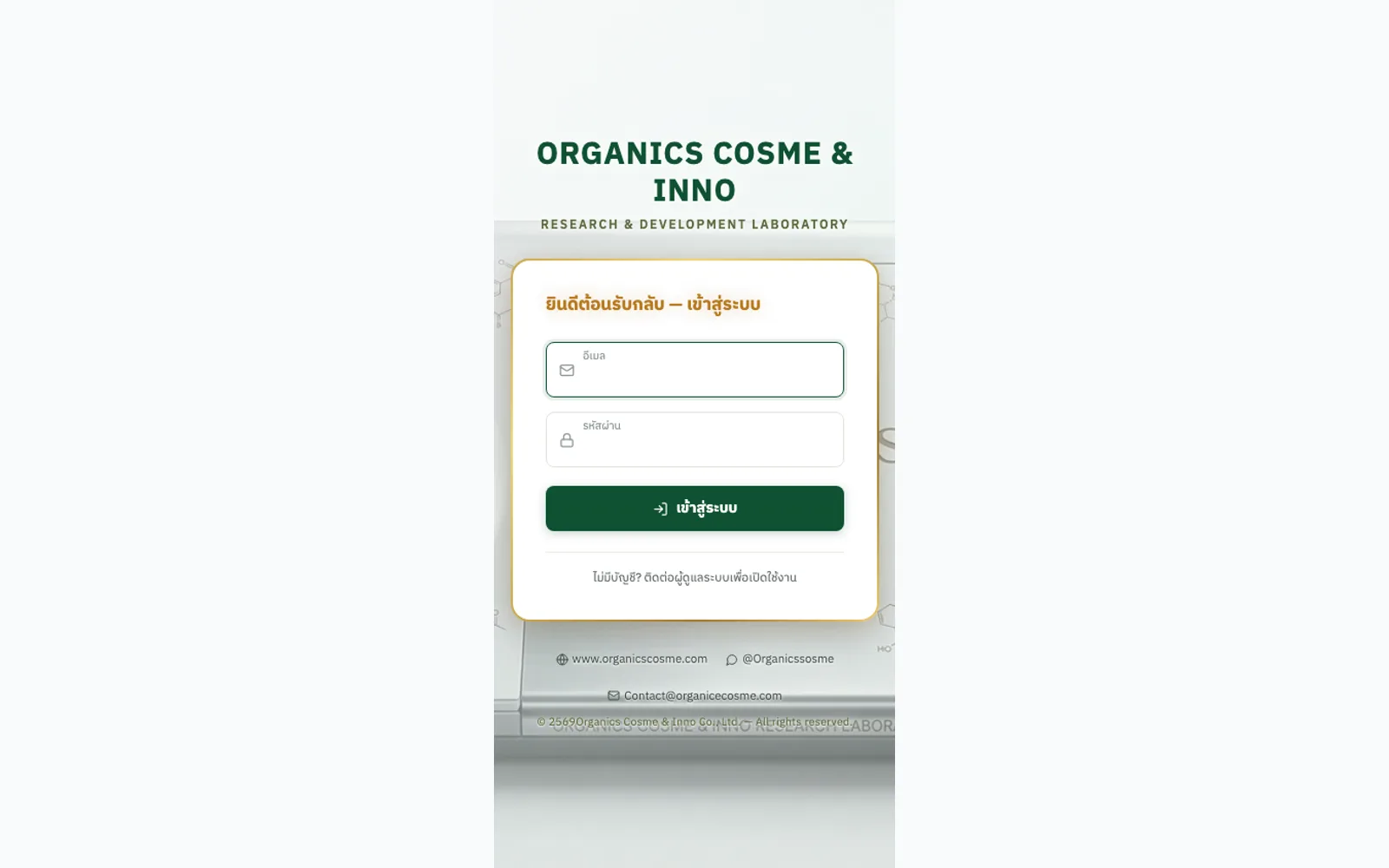
03·Gallery
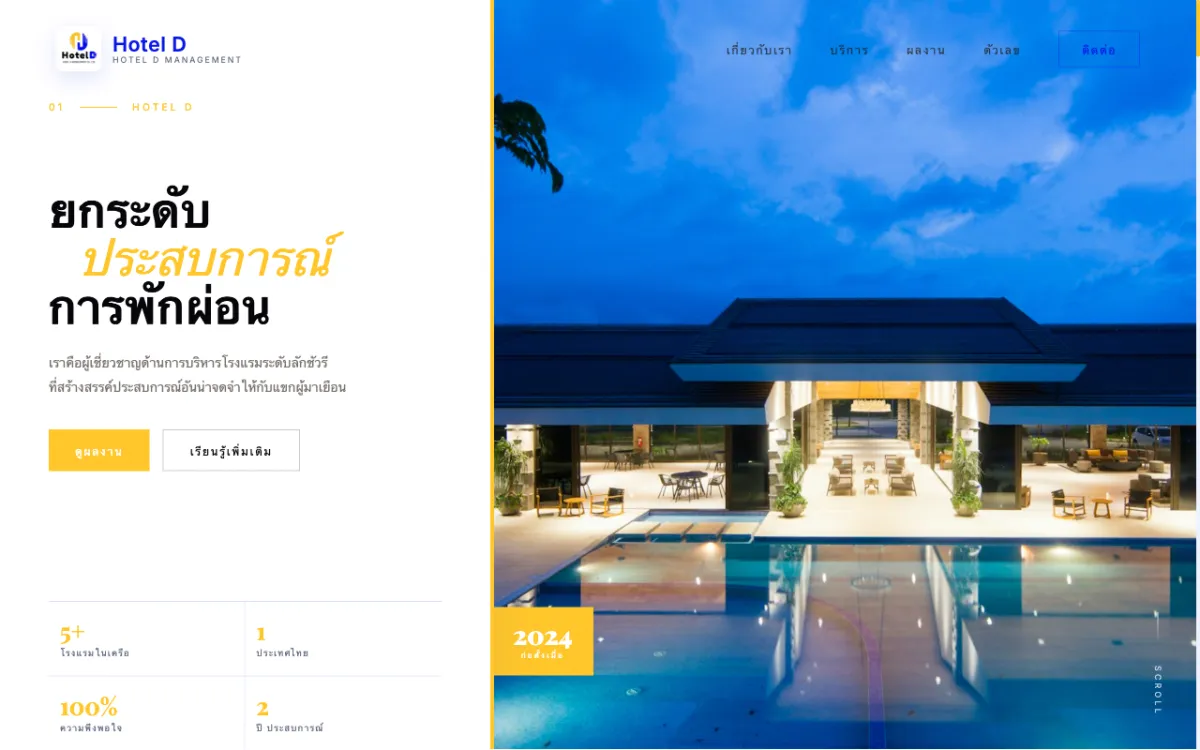
Corporate site for a full-service hotel-management firm serving properties across Thailand. Bilingual.
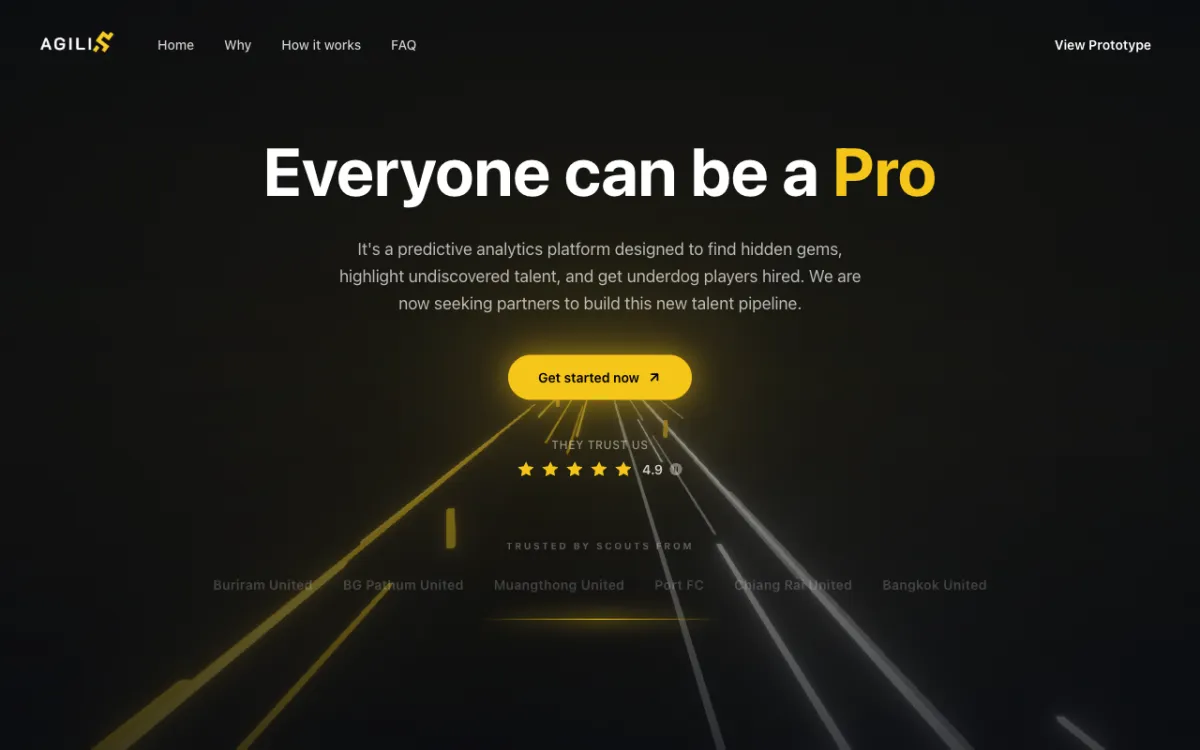
Football scouting platform (prototype stage) connecting players with scouts and clubs.
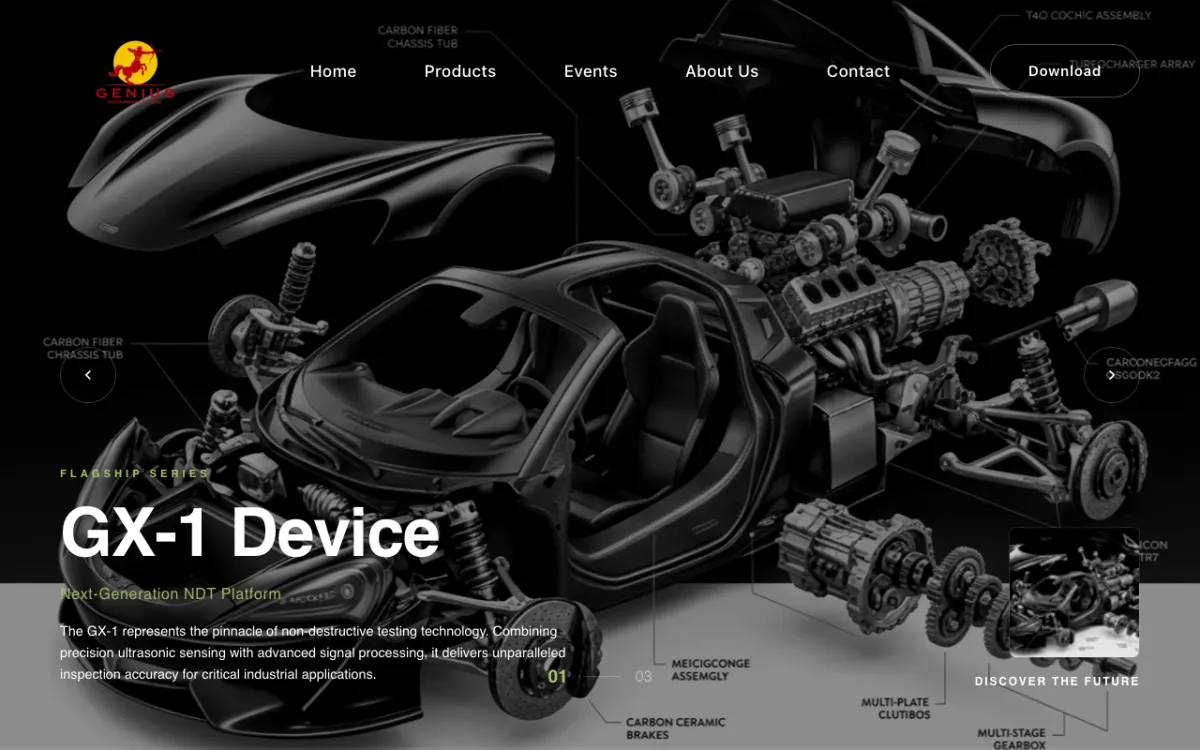
Product and services site for a supplier of NDT systems, coordinate measuring machines (CMM) and 3D scanners.
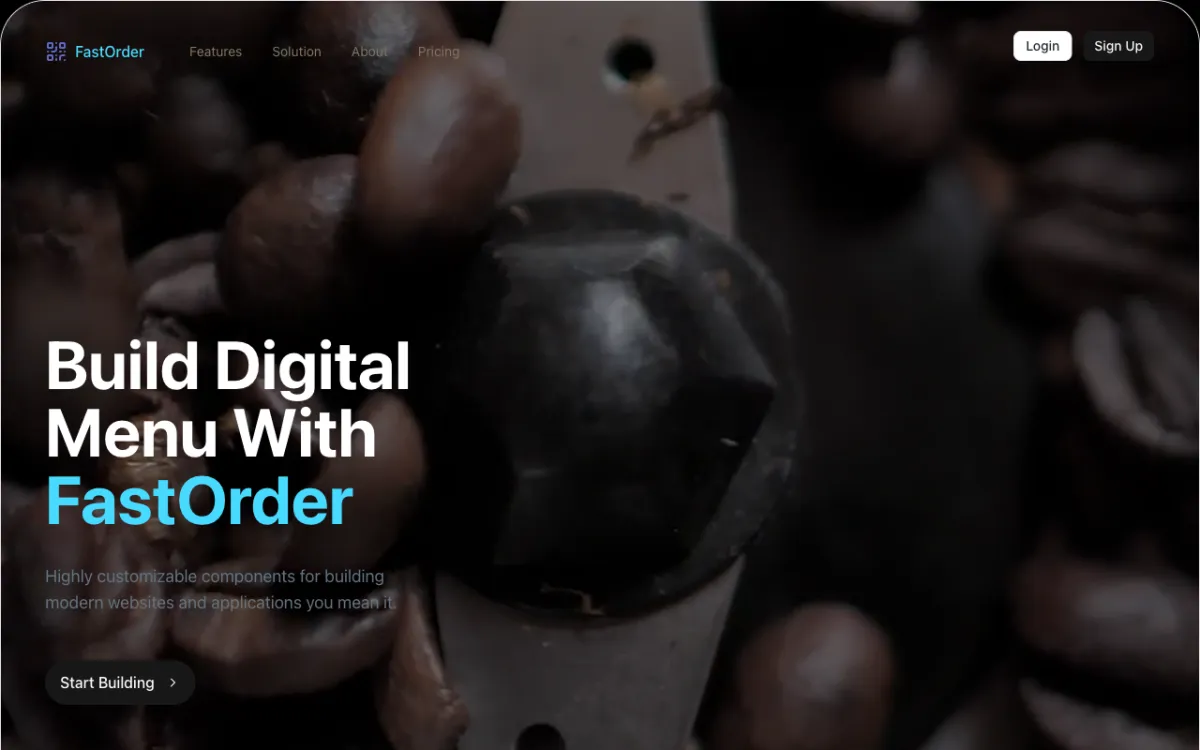
Digital-menu and QR order-management system for restaurants.
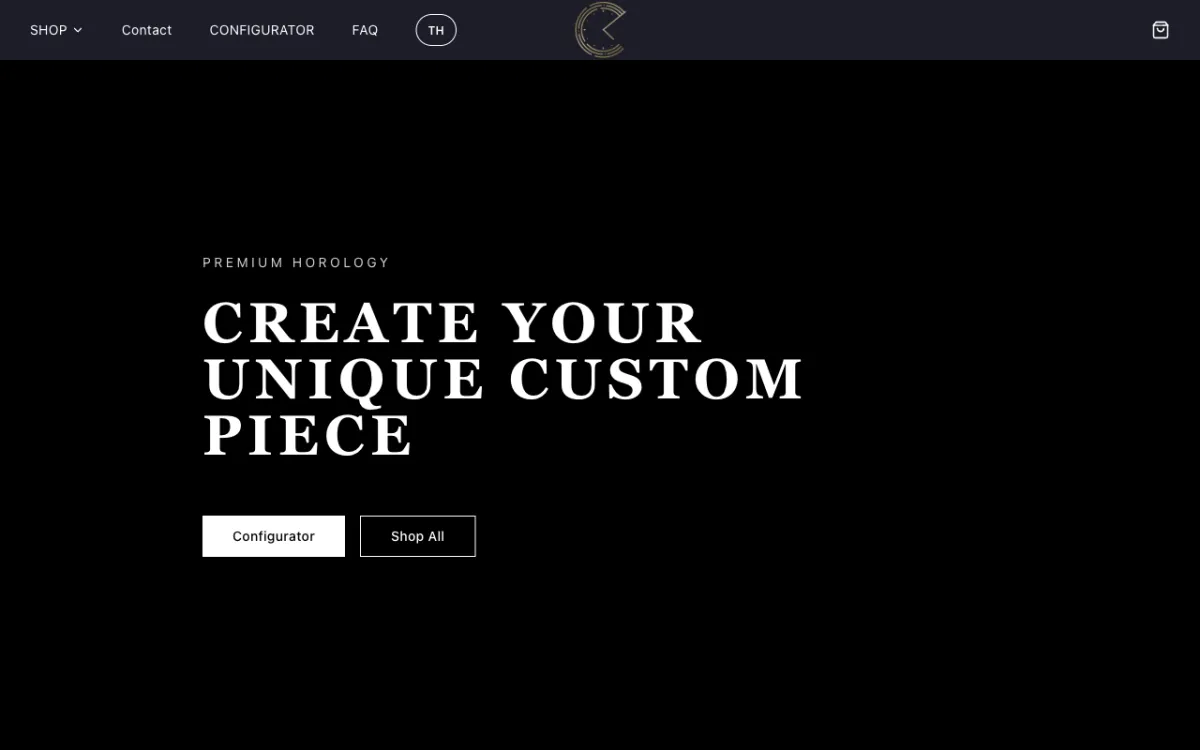
E-commerce store for custom Seiko mod watches with a configurator.
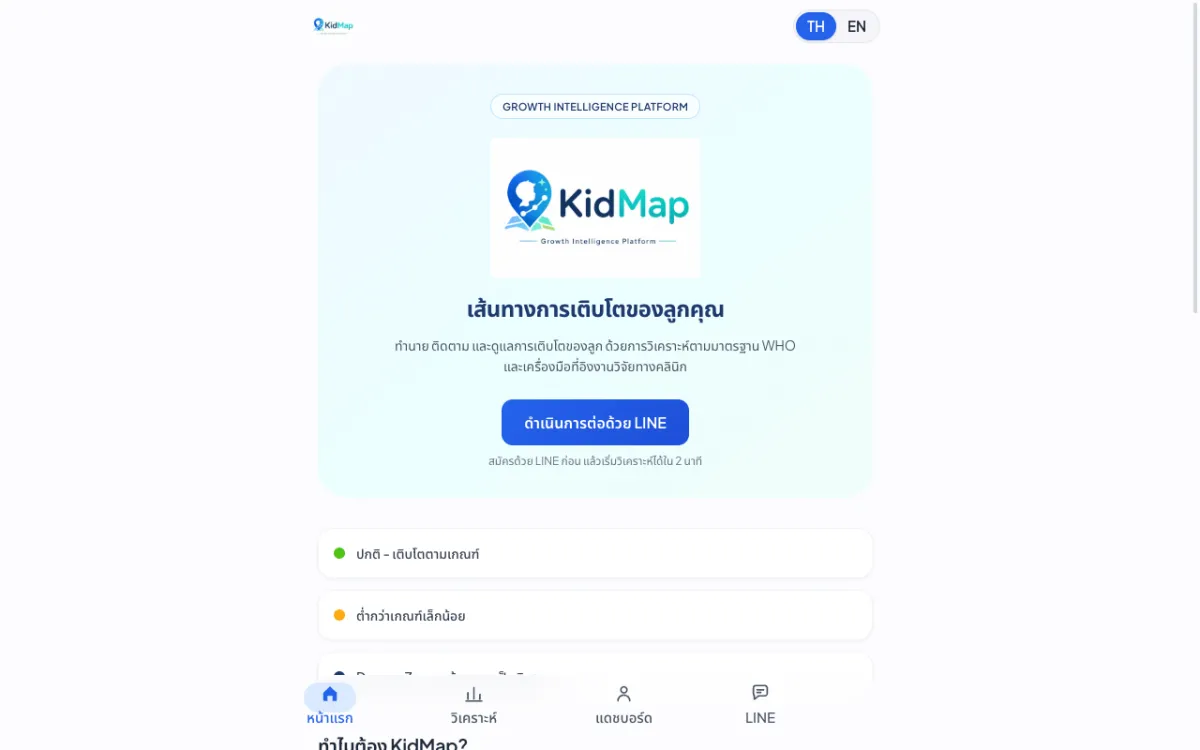
Platform that predicts and tracks children’s growth against WHO standards.
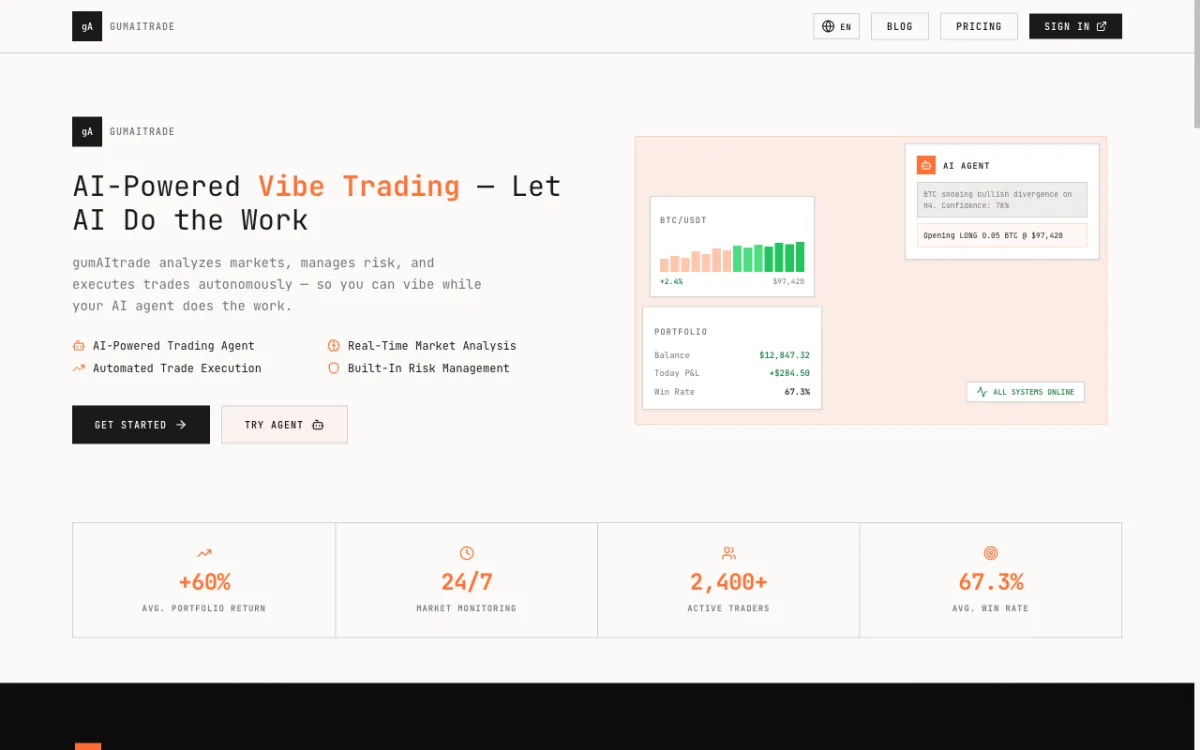
Product site for an AI crypto trading bot built around a “vibe trading” concept.
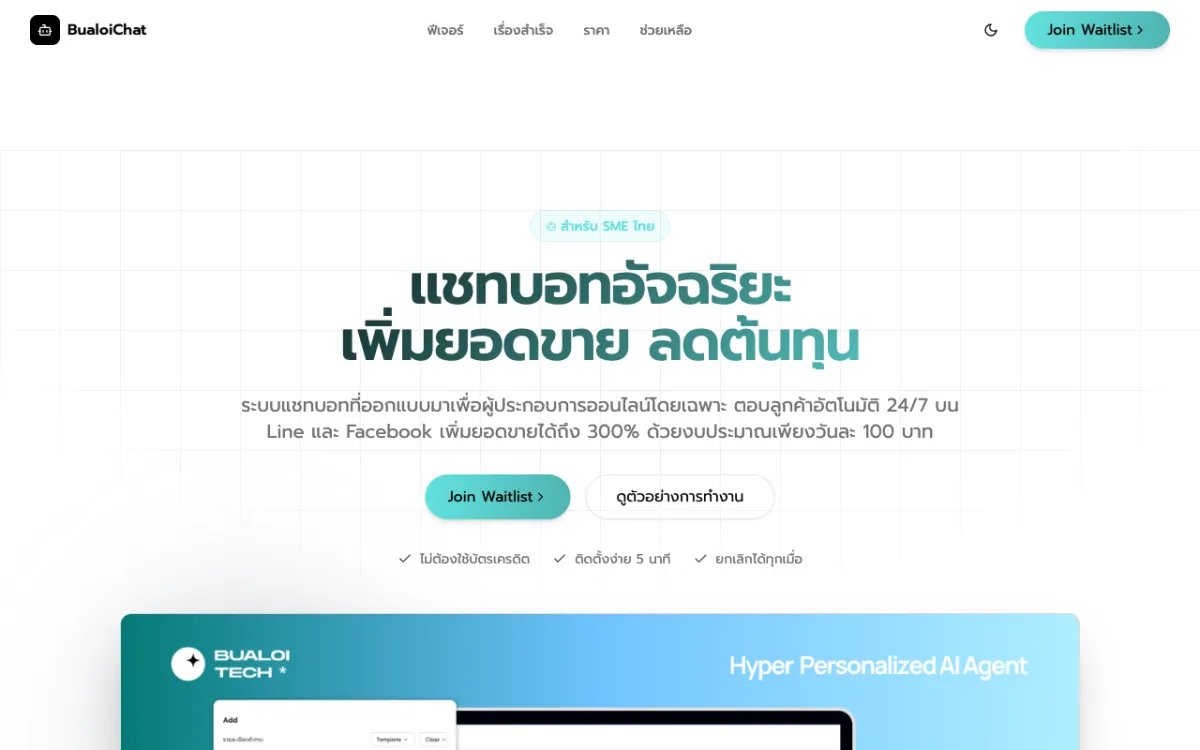
Pre-launch landing page for an AI chatbot service that answers SME customers on LINE OA and Messenger.
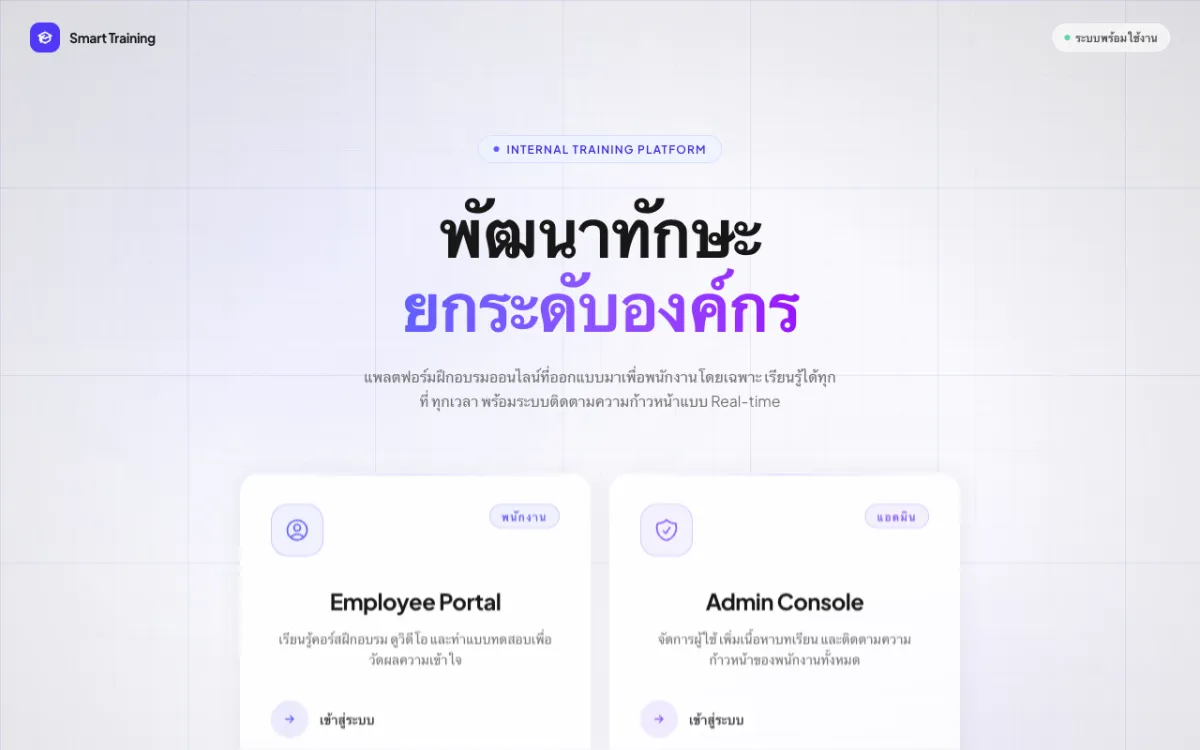
Internal employee training (LMS) with video courses and quizzes.
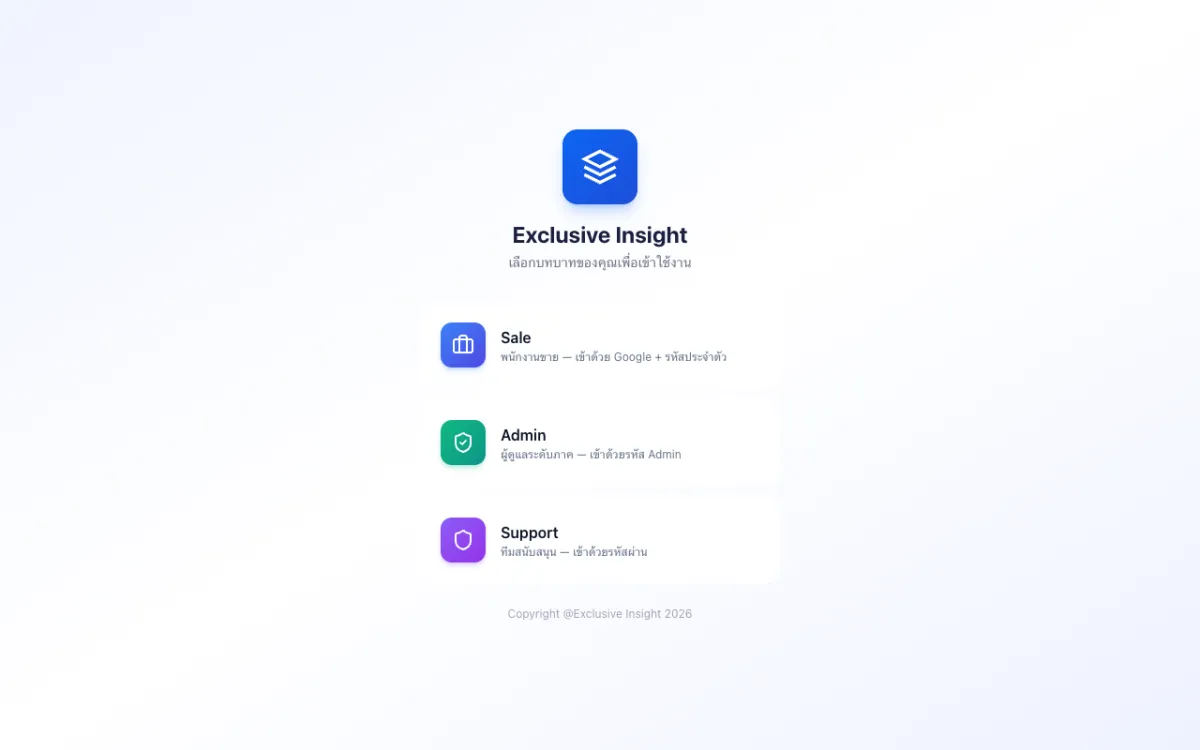
Role-based CRM with Sales, Admin and Support access.
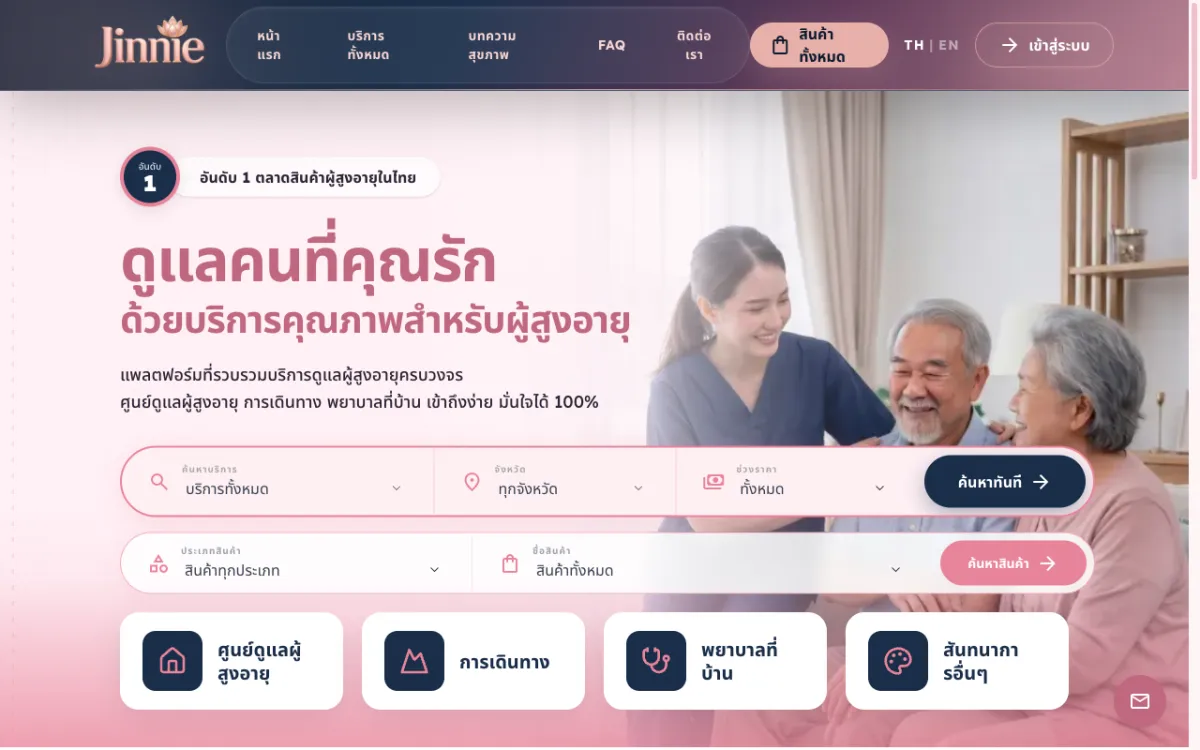
Platform to find and book elderly-care services across 12 categories from many providers.
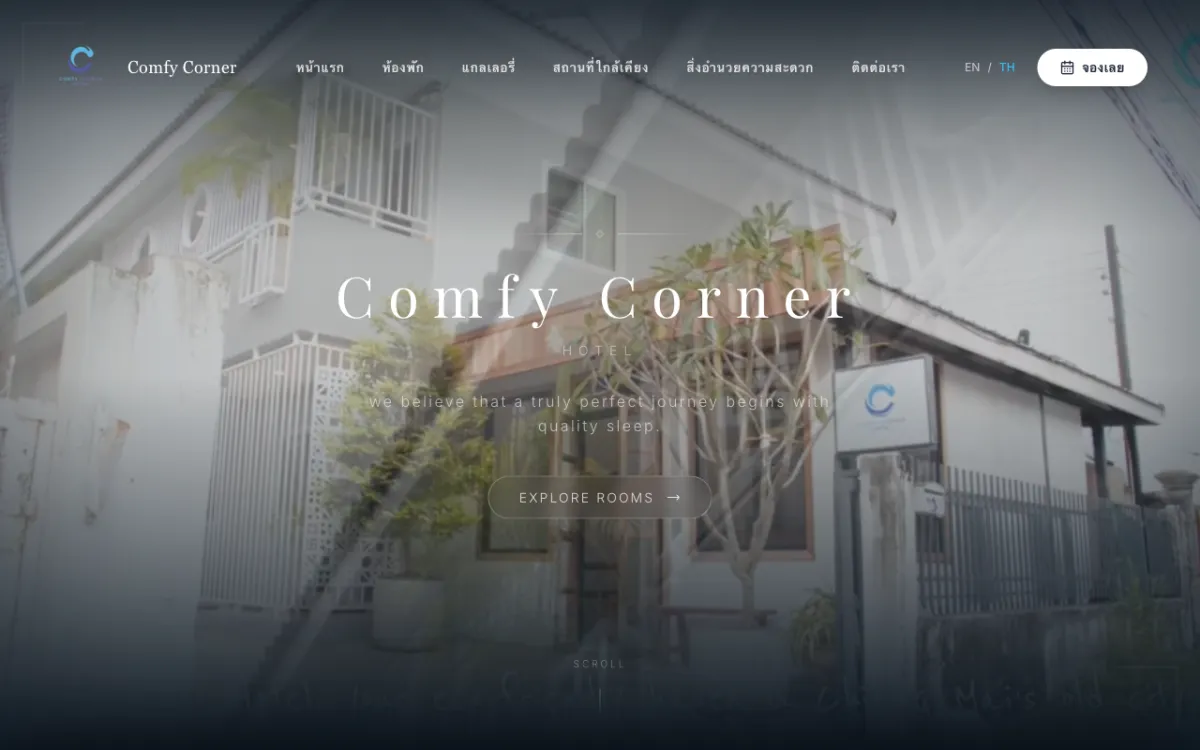
Booking site for a boutique budget hotel in Chiang Mai. Bilingual.
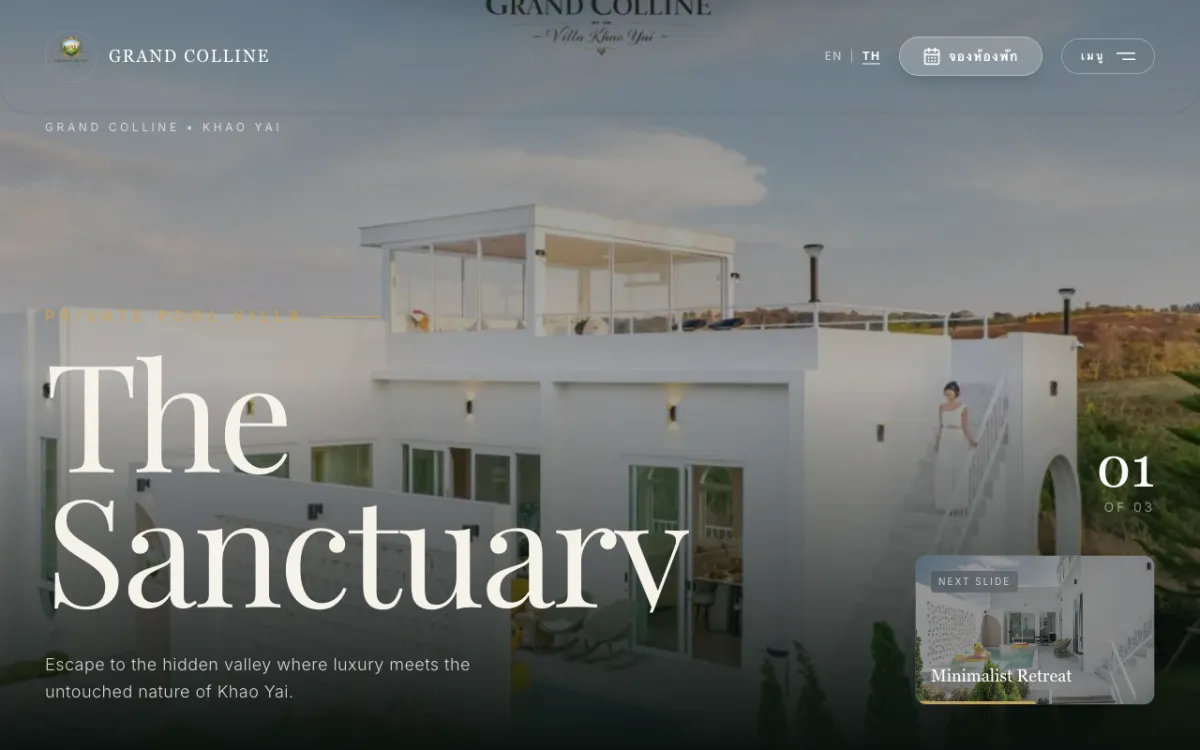
Private luxury pool-villa resort in Khao Yai; books via Agoda/Trip.com. Bilingual.

Khao Yai resort site with a “music meets nature” concept. Bilingual.
Site for a premium real-estate developer and home-builder. Bilingual.
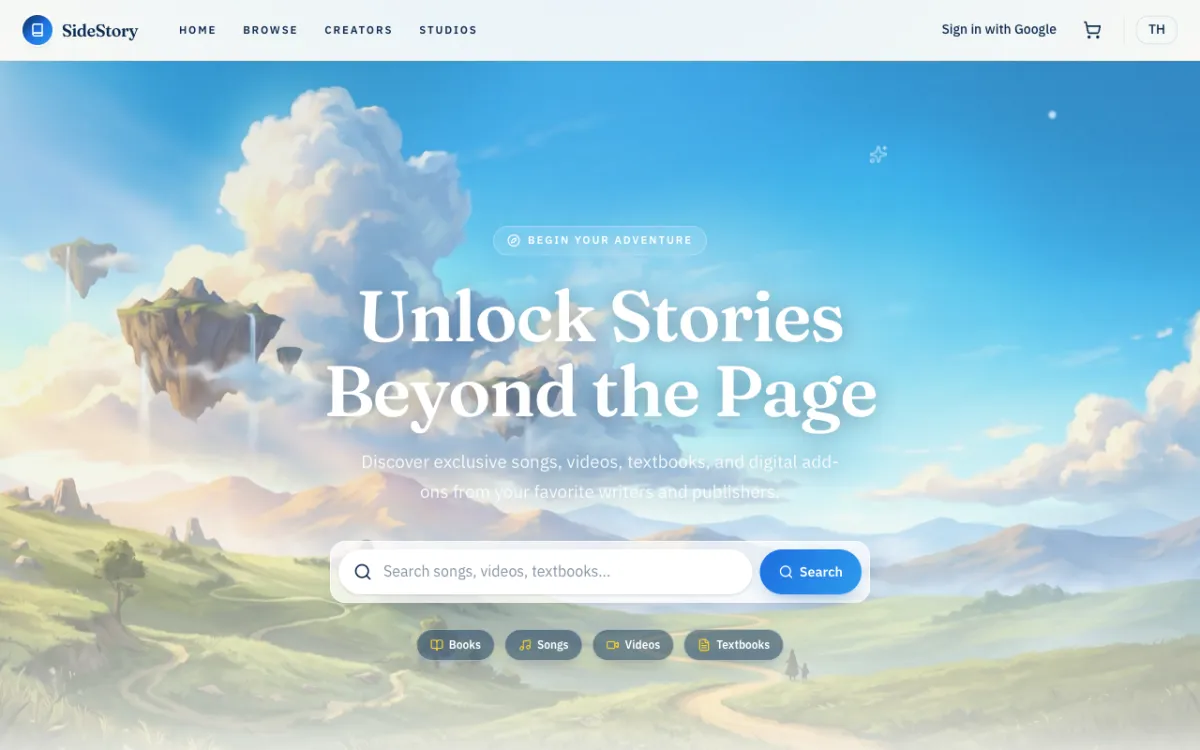
Digital-content marketplace for Thai writers and publishers.
AI analytics for LINE Official Account group chats, with automatic conversation summaries.
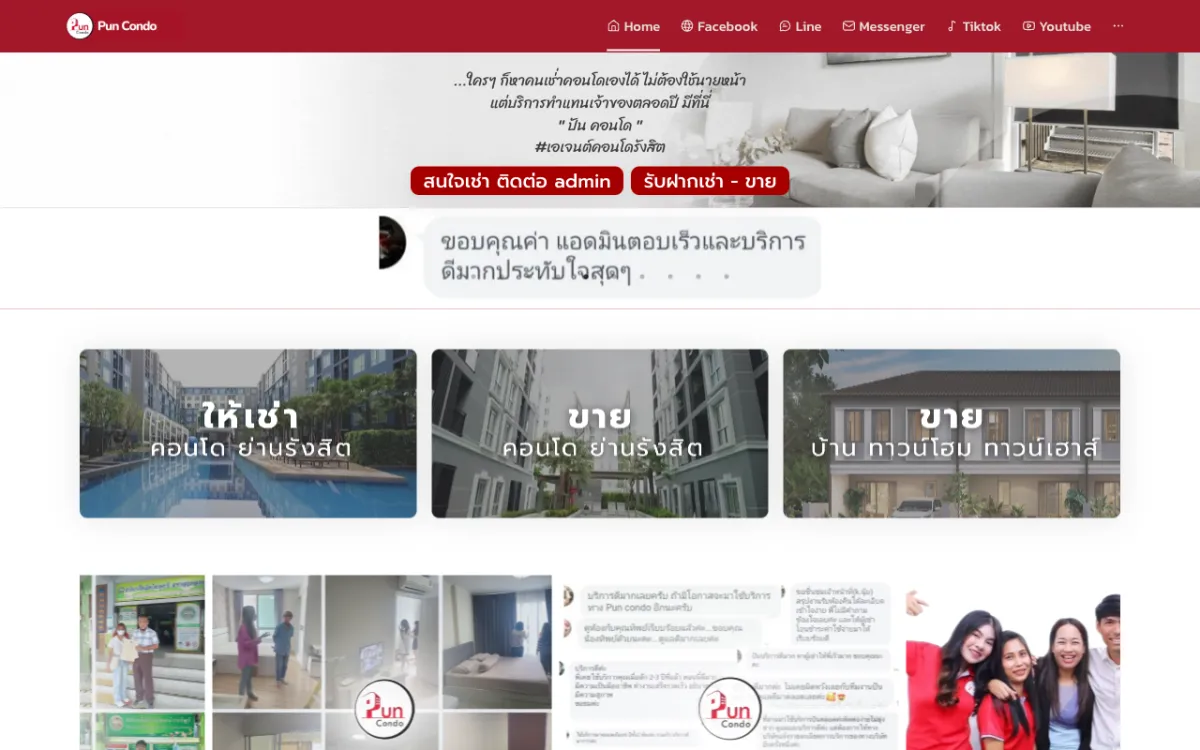
Real-estate platform with property listings and an admin back-office.
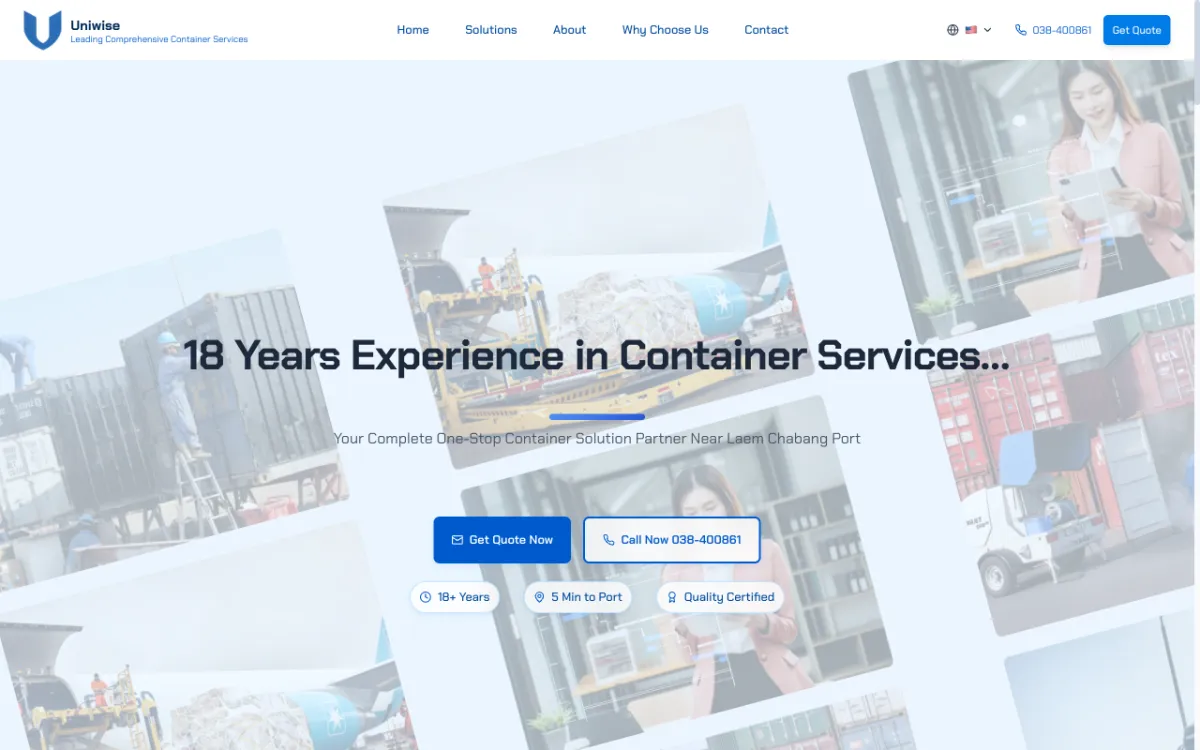
Site for a container yard near Laem Chabang Port. Thai, English and Chinese.
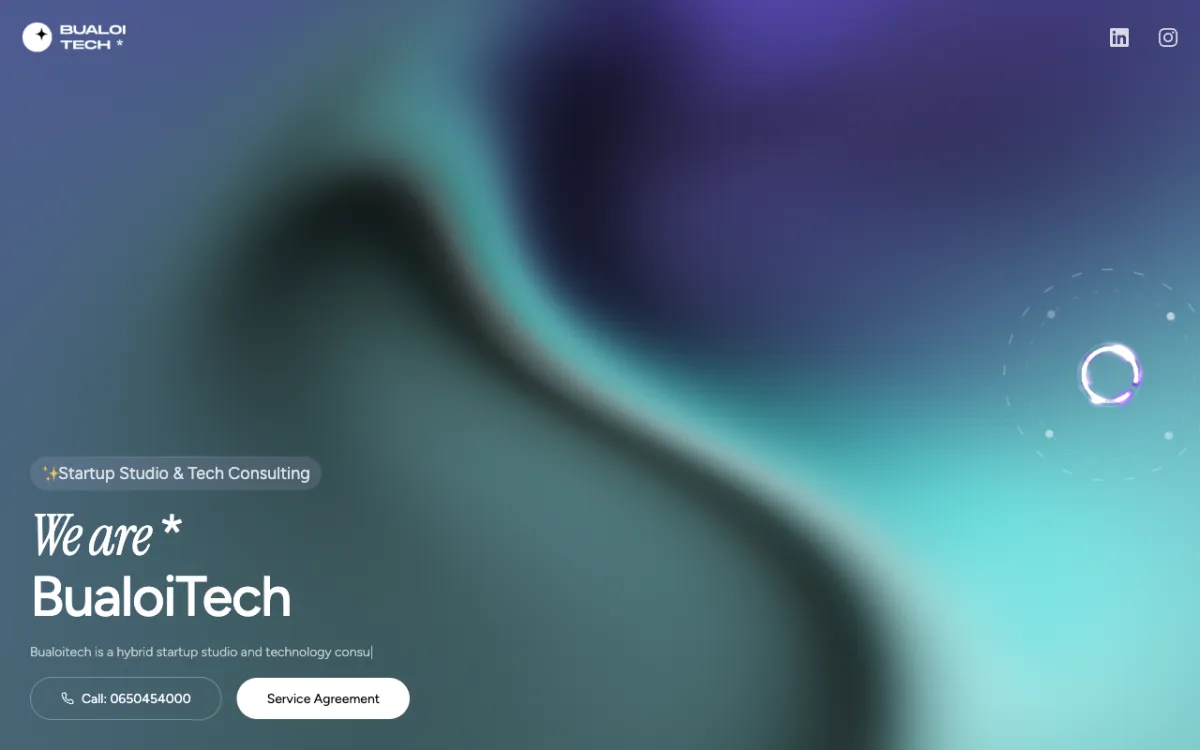
Landing page for a startup studio & tech consultancy focused on MVPs.
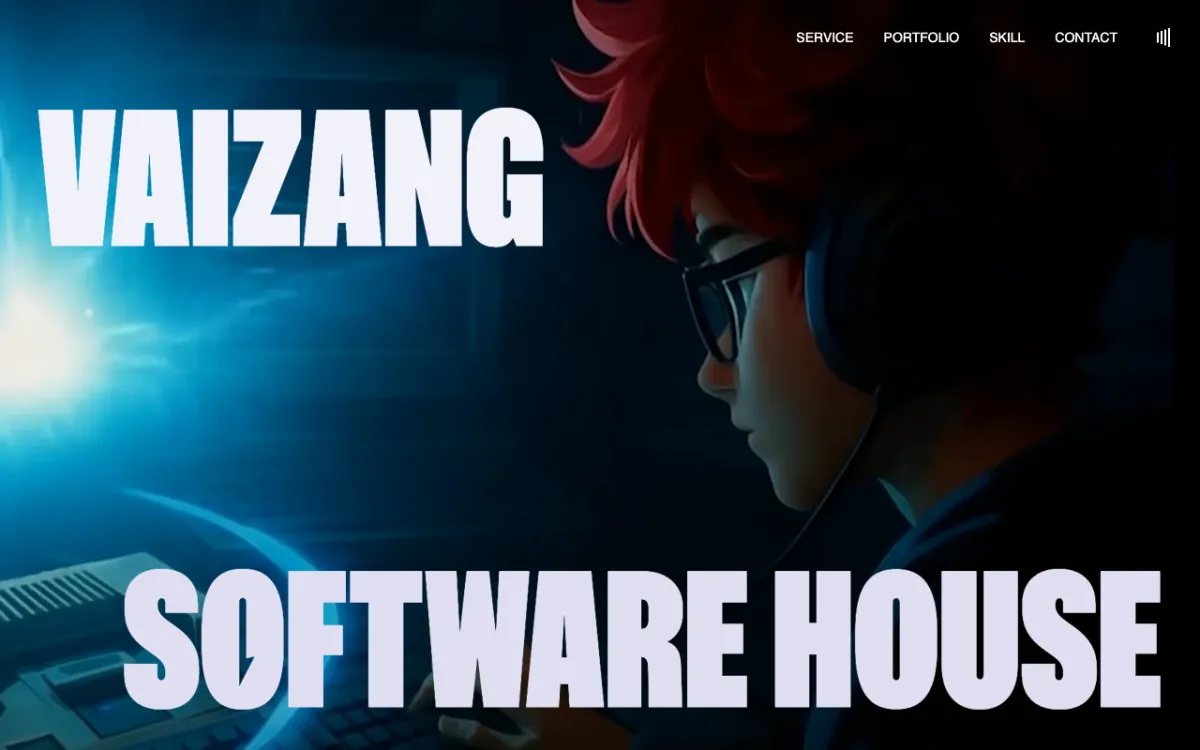
Brand site for a software house founded by Chula students, serving Thailand & ASEAN.
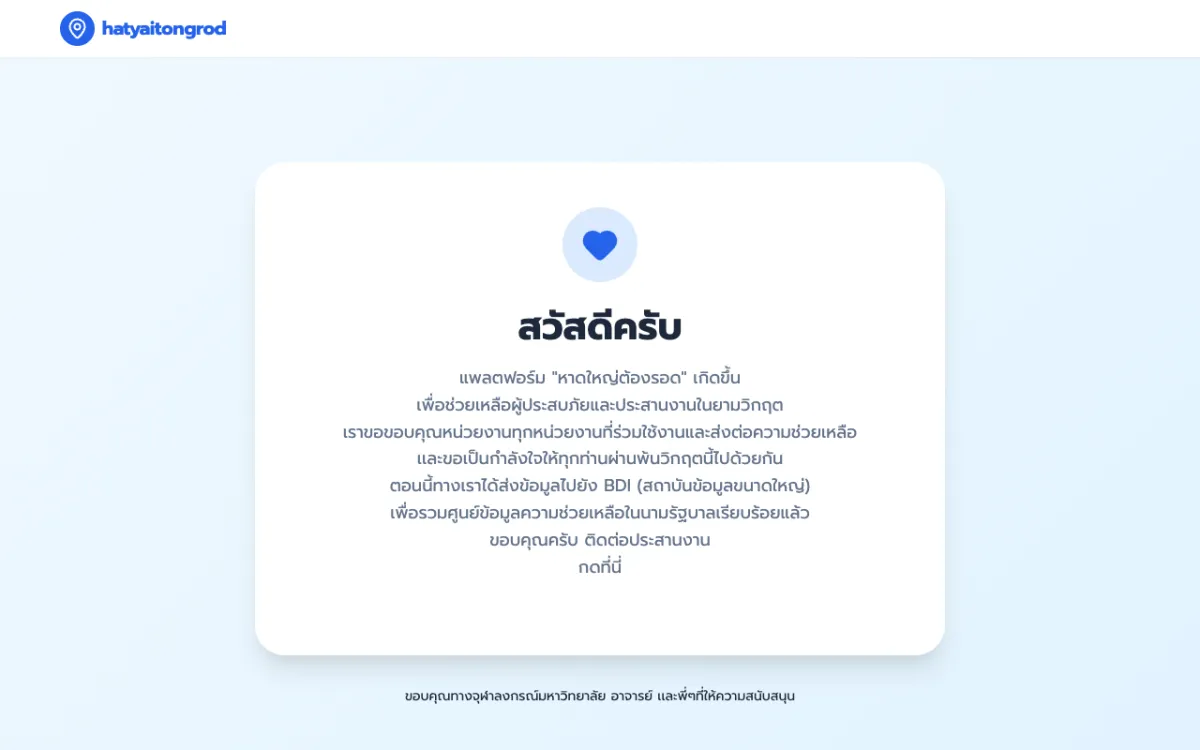
Crisis web app that served 1,000,000+ concurrent users during the Hat Yai floods.
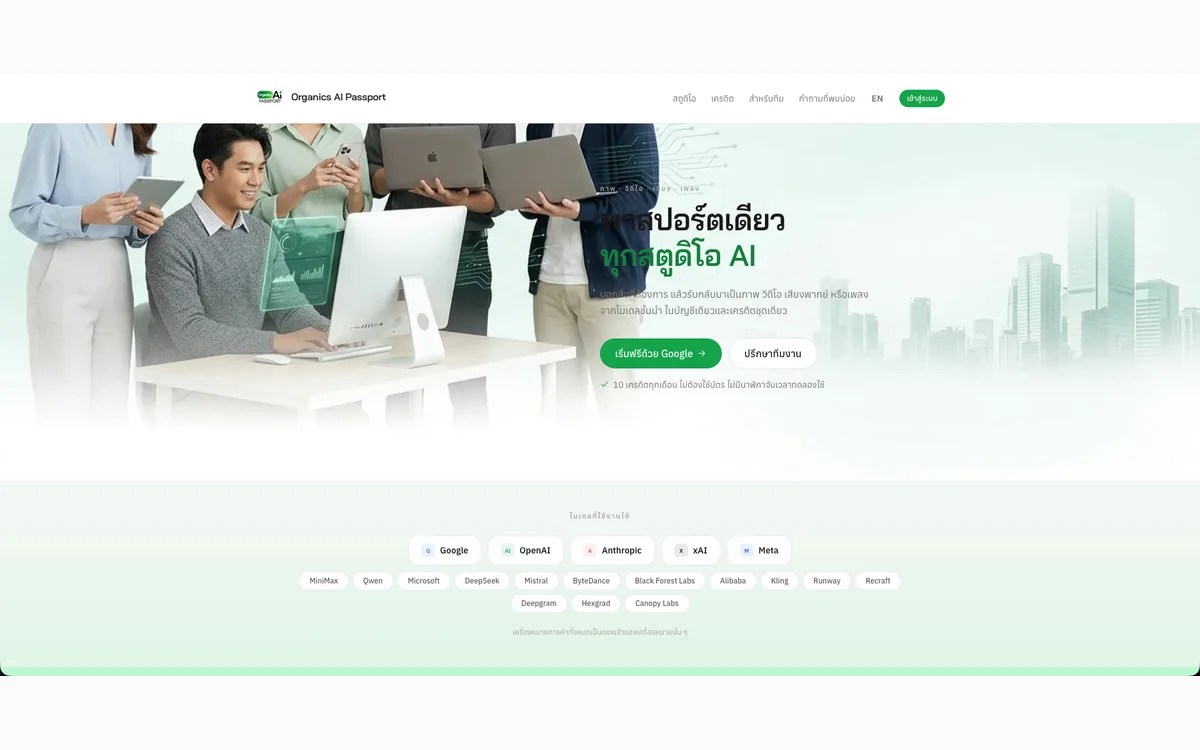
One account to generate images, video, voiceovers and music with AI, metered by a single credit balance.
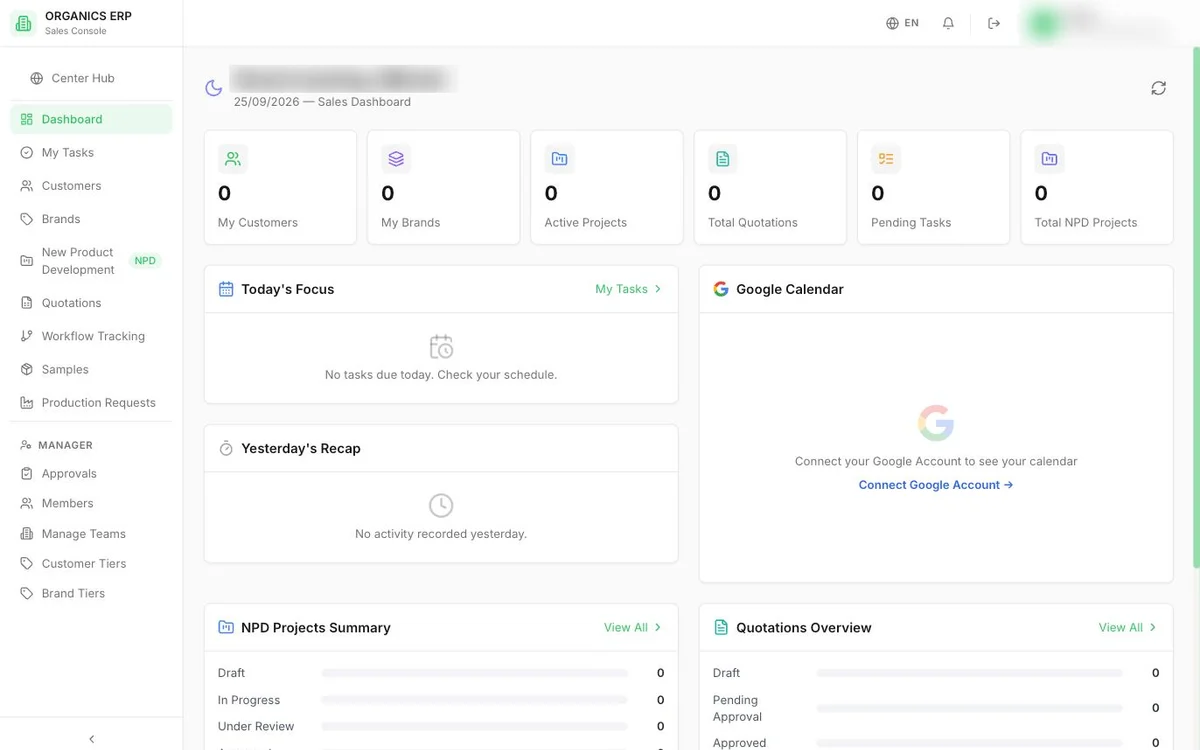
Department-by-department ERP for a cosmetics manufacturer, covering sales, procurement, production, warehouse and finance.
AI workspace for a cosmetics R&D team to find ingredients, check stock, and draft, cost and revise formulas.
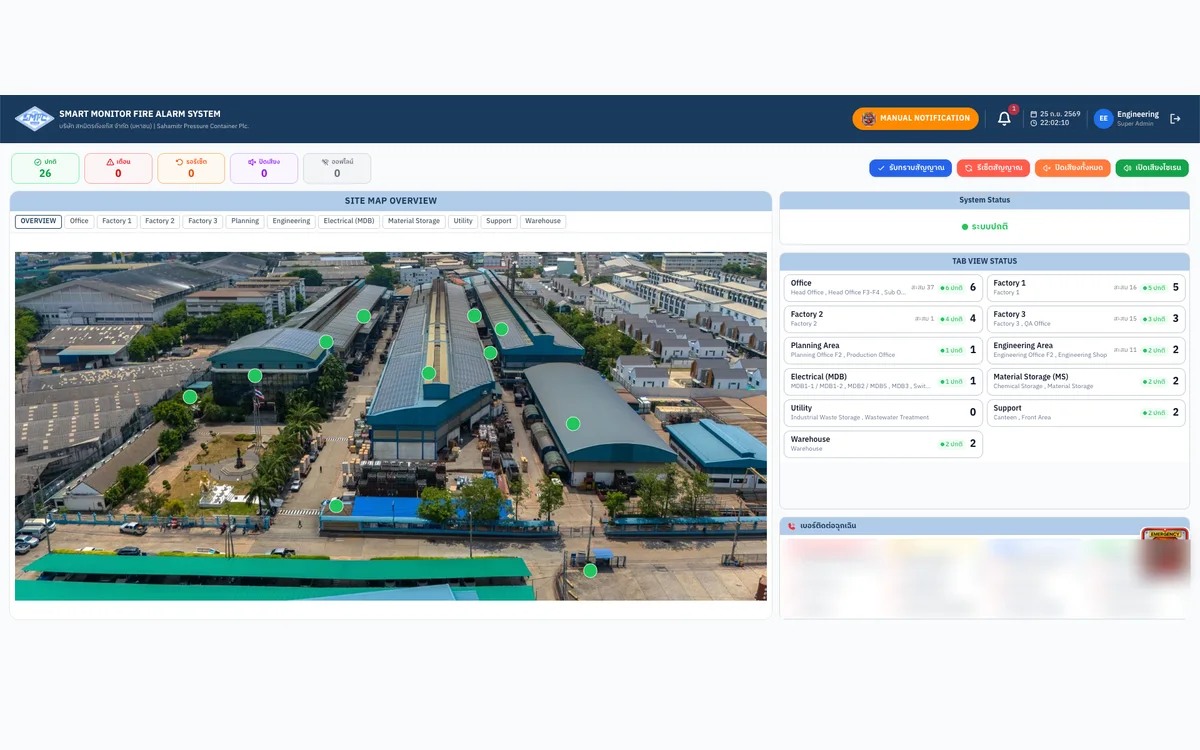
Real-time fire-alarm monitoring web app for a factory, wired directly to its PLC.
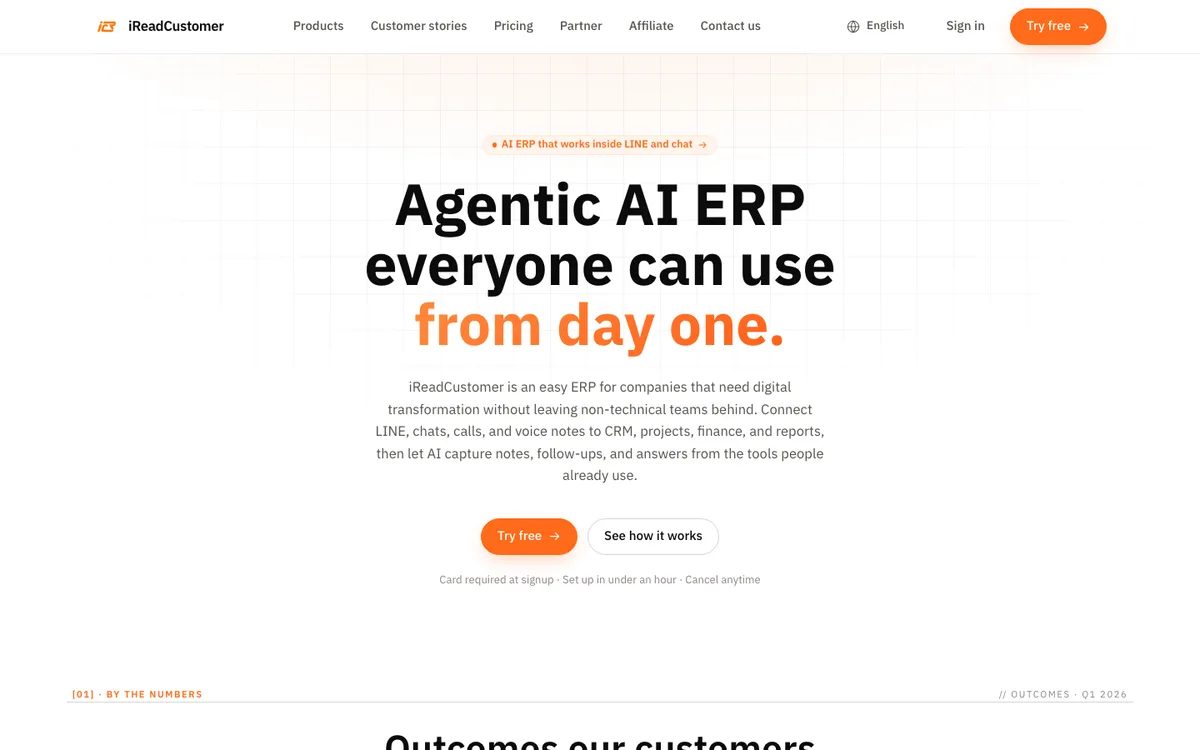
AI-agent ERP that connects LINE chats and voice notes to CRM, projects, sales and accounting.
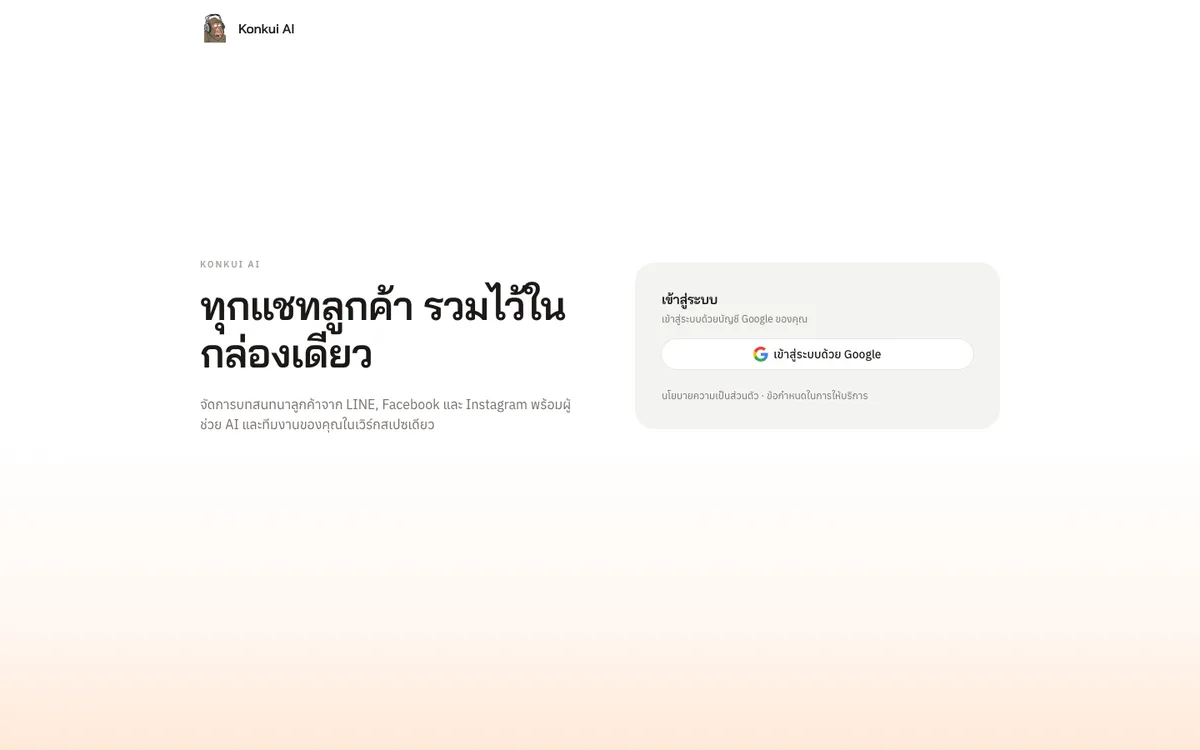
One inbox for LINE, Facebook and Instagram customer chats, with an AI Assistant that answers first and hands off to the team.
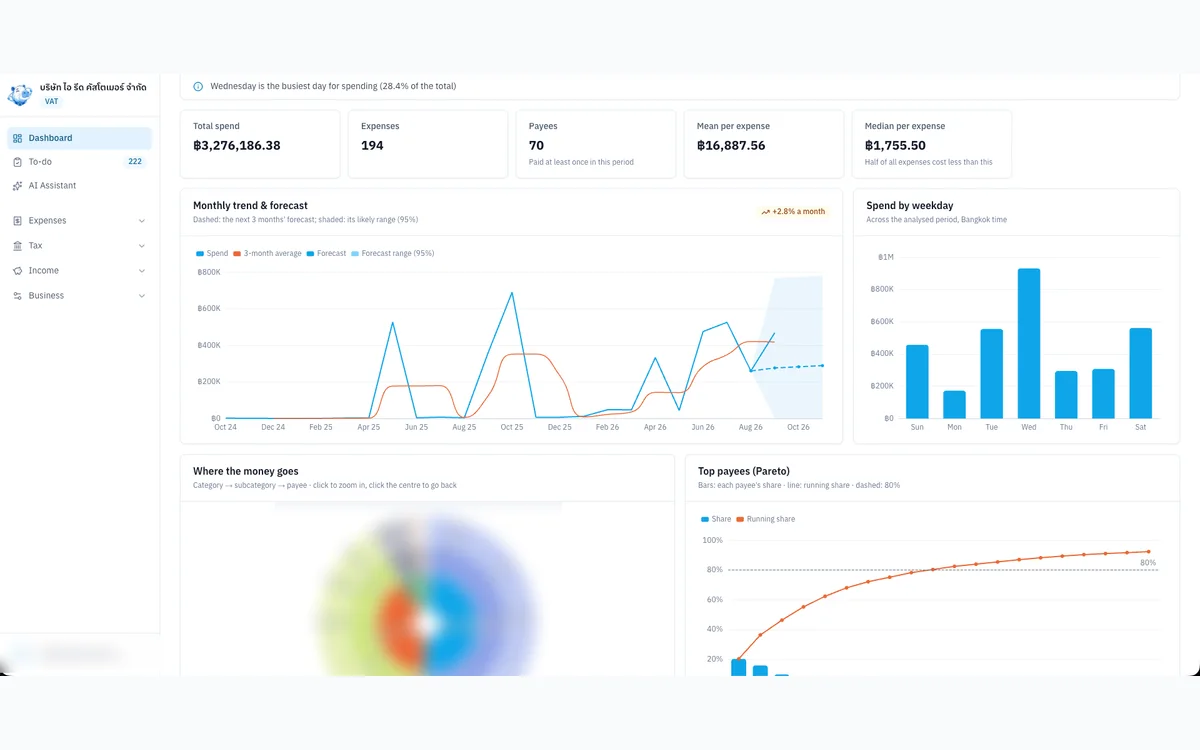
Internal tool that organises expense evidence, input VAT and P.P.36 for a VAT-registered Thai company.
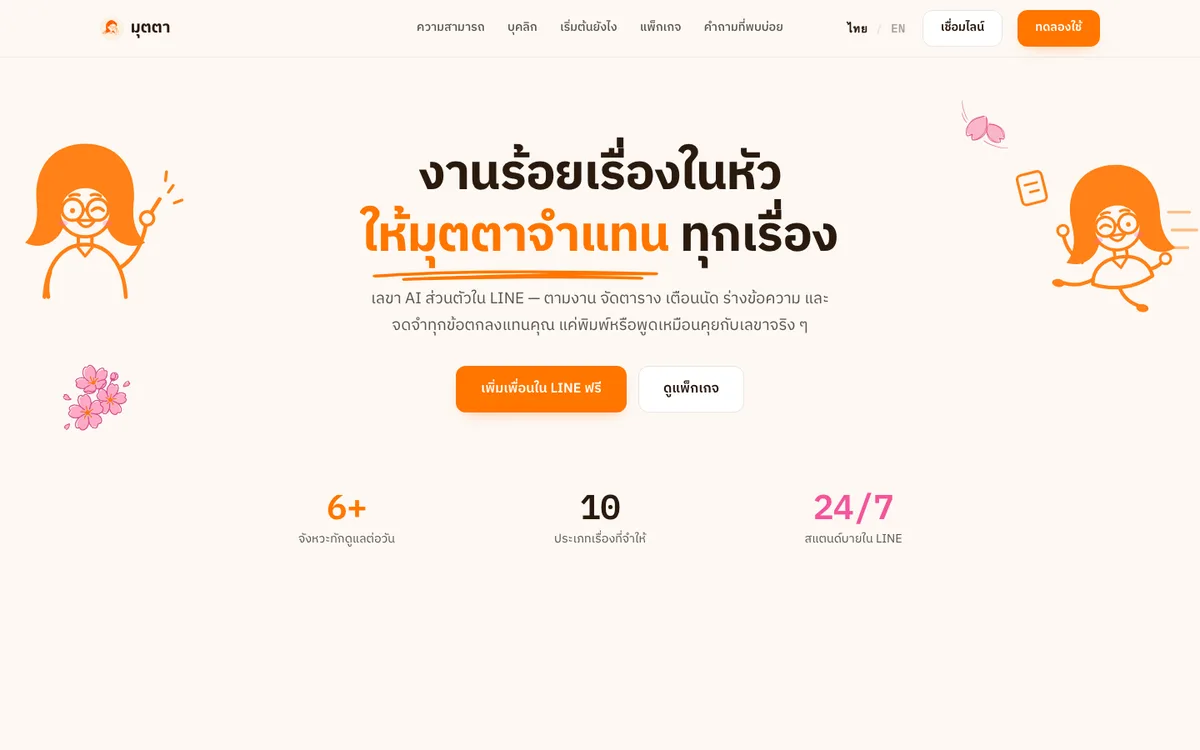
An AI personal secretary in LINE that chases follow-ups, keeps your schedule, drafts messages and remembers every agreement.
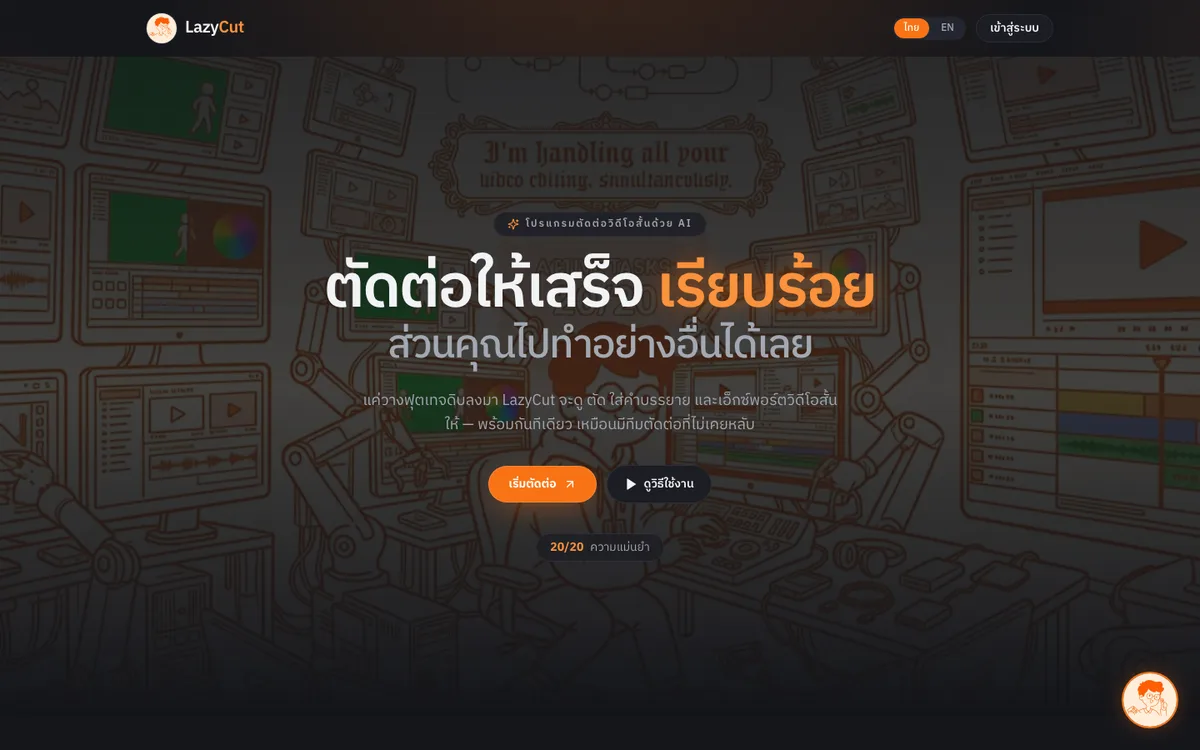
AI short-form video editor that cuts dead air, adds captions and exports ready-to-post clips.
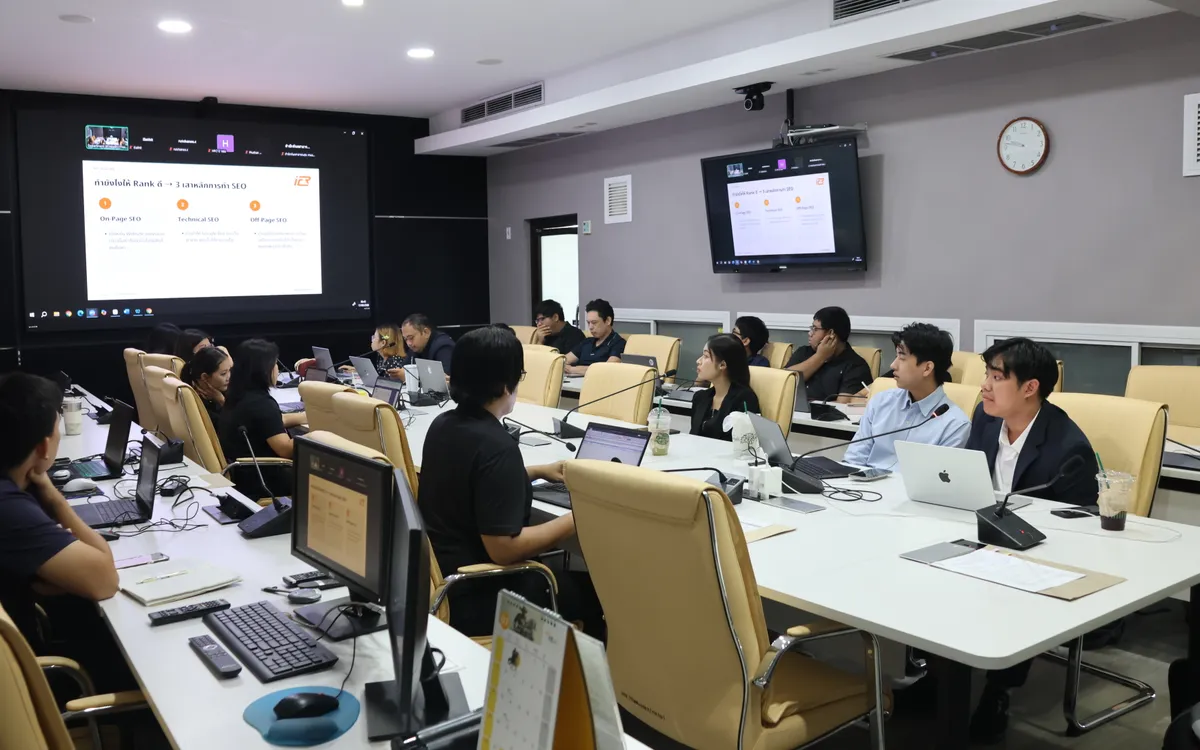
Onsite training and hands-on workshop (09:30–16:00) that helps the Department of Health’s web teams make articles easier for Google and AI search to find, understand and cite.
Contact Us