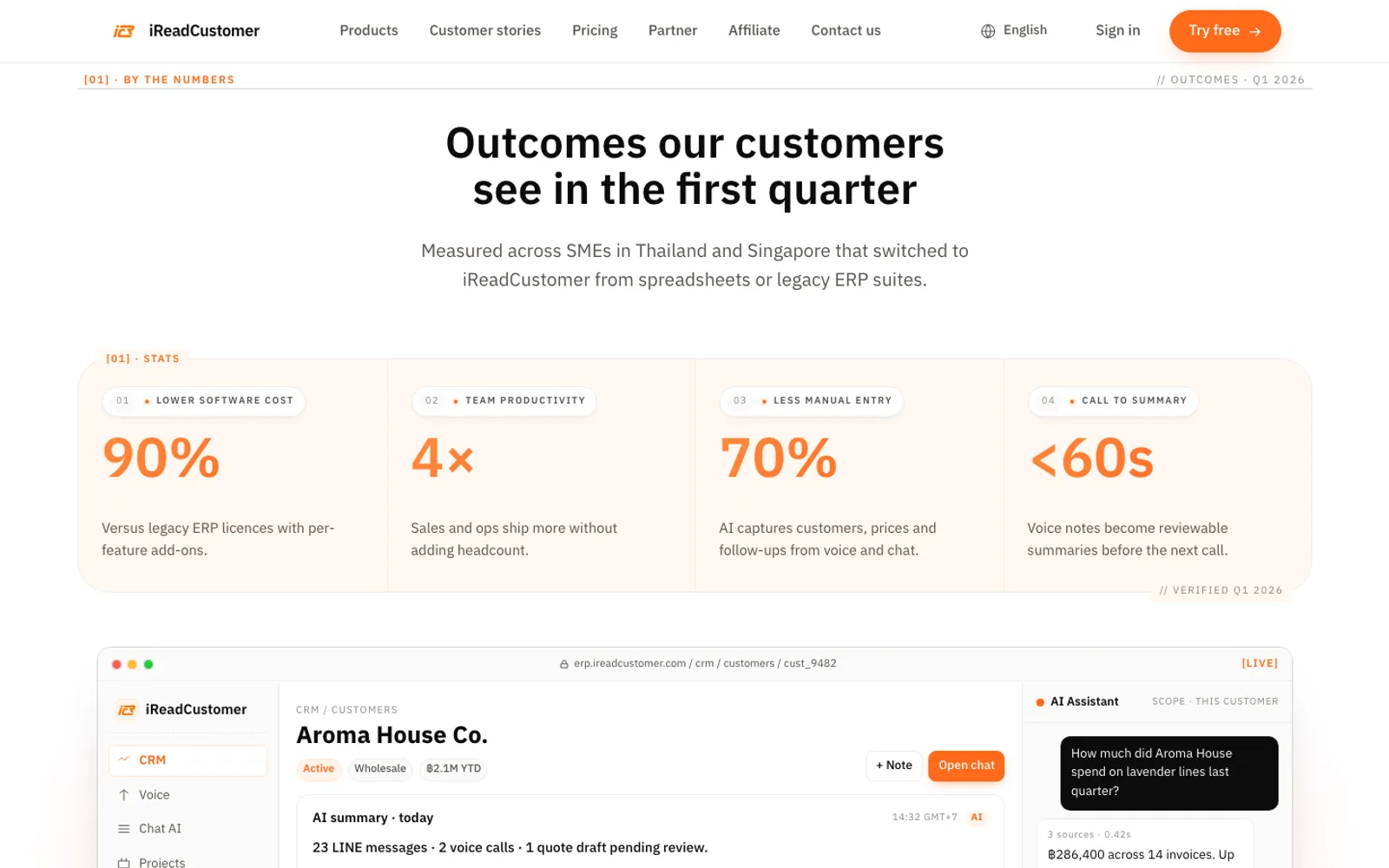
01·Gallery
CRM, sales, purchasing, inventory, accounting and projects in one system
AI assistant scoped to a page, a module or the whole workspace
AI-agent ERP that connects LINE chats and voice notes to CRM, projects, sales and accounting.
Switched on or off per organisation, from CRM and projects to accounting and billing
CRM, projects, sales, purchasing, inventory, accounting and data analysis
Page, module or whole workspace, locked from a conversation’s first message
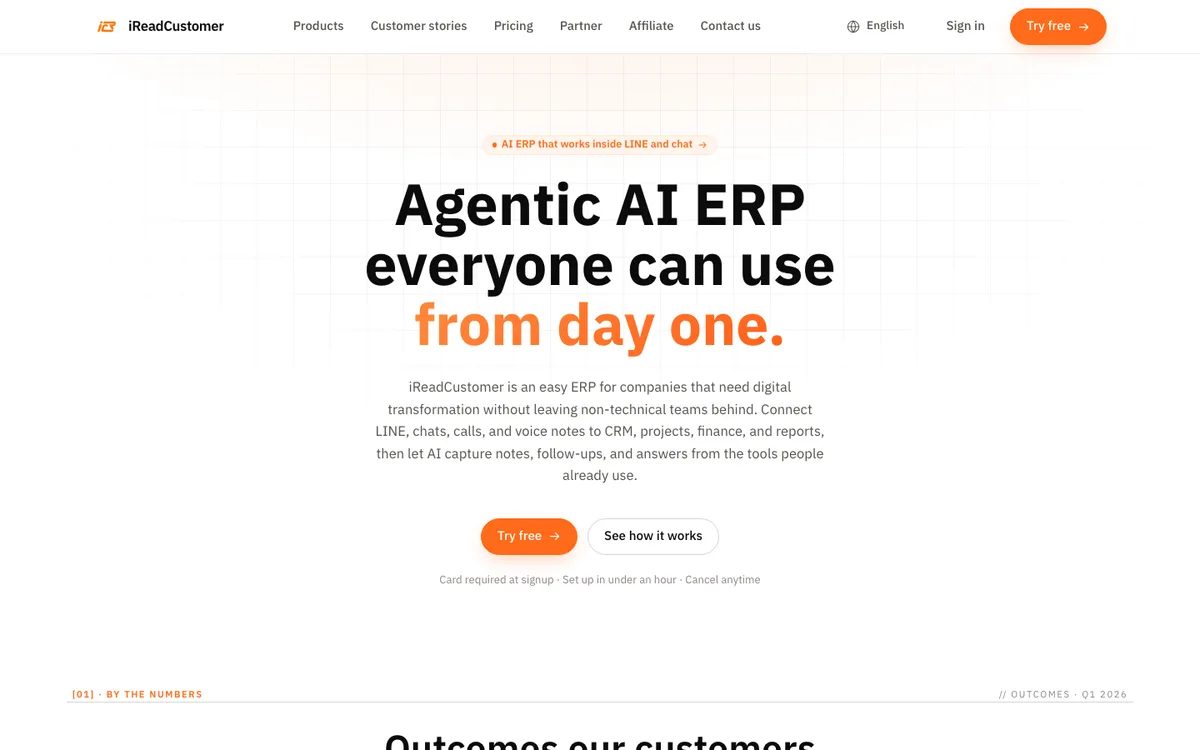
Agentic ERP is iReadCustomer’s in-house, multi-tenant ERP for small and mid-sized businesses. CRM, sales, purchasing, inventory, accounting, projects and data analysis run as modules on one shared data set, with an AI assistant that works across them. Connected LINE groups are summarised into reports once approved in the web app, and voice notes are transcribed into the customer record, so teams keep working in the channels they already use.
SMEs shopping for an ERP face an awkward choice. Legacy ERPs carry deep business logic but are hard to use and have no meaningful AI; modern SaaS tools are easy to use but lack ERP depth such as double-entry accounting or inventory valuation; and building from scratch costs too much. On top of that, frontline teams talk to customers in LINE and voice notes, so the information never reaches a system. The brief: an ERP with real depth across sales, purchasing, stock and accounting, where AI turns chat and voice into records — without asking everyone to learn a new system first.
We didn’t reinvent the business logic. We studied Odoo’s open-source code to understand how double-entry accounting and inventory valuation work, then re-implemented it in TypeScript on our own architecture, with AI built in from the start.
Each module declares its routes, permissions, events and AI capabilities in a manifest, and modules talk through domain events rather than calling each other’s code, so one can be added or removed without breaking another. Built on Next.js 16, Bun, Hono, Prisma and MongoDB.
Every document carries a tenant_id enforced by Prisma middleware and the request context. Permissions take the form module.resource.action, and every create, update and delete is written to the audit log automatically.
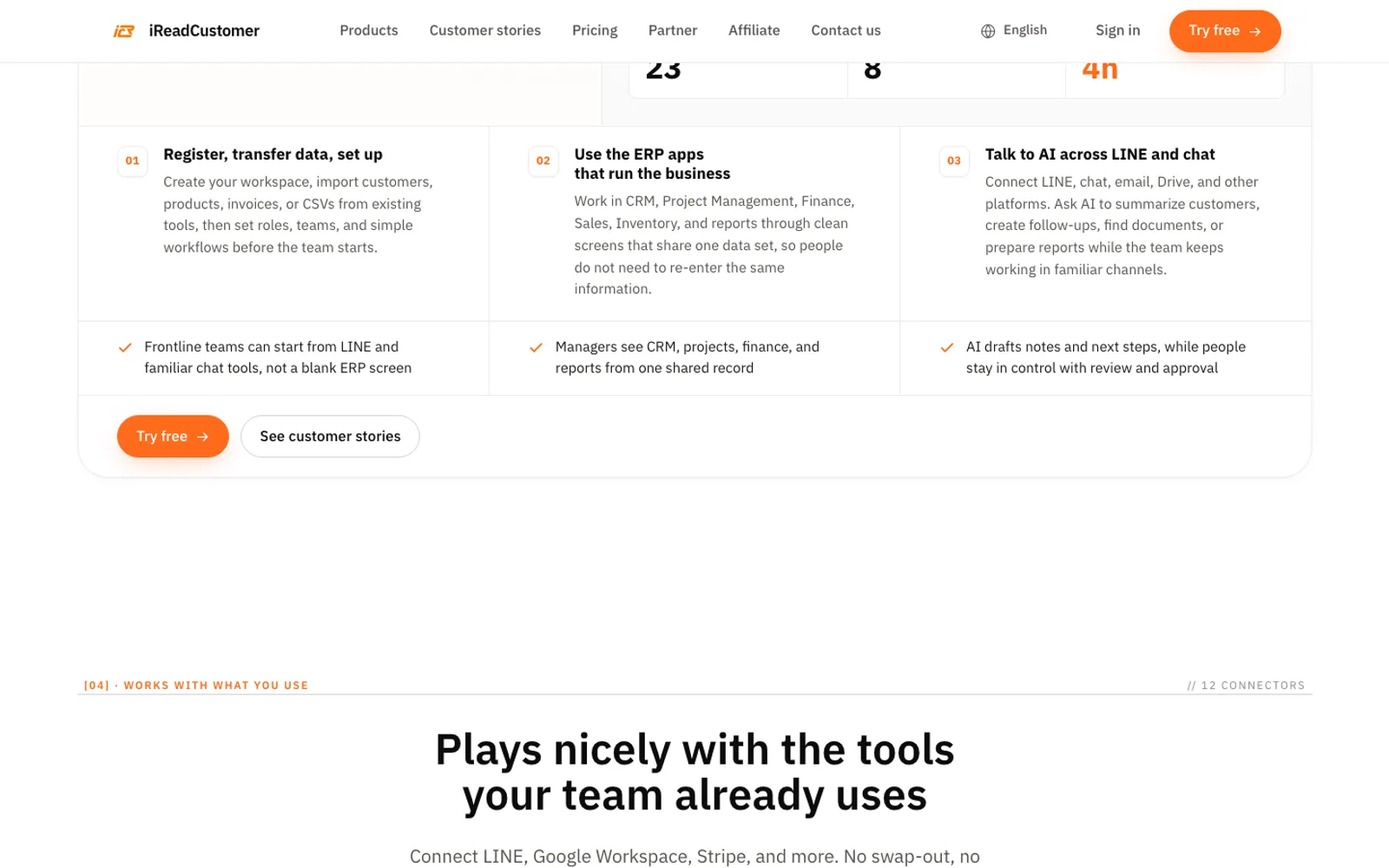
A LINE group connects with an activation code and waits for an admin’s approval in the web app before its messages are tracked and summarised into reports. Voice notes are stored in the organisation’s own Google Drive, transcribed and summarised with Gemini, shared through optionally password-protected links and exported to PDF.
A separate AI service built on LangGraph.js and the Vercel AI SDK routes each request to one of seven specialist agents, using Gemini, Claude or OpenAI models. Every action the AI wants to take is scored on the risk of the change, the user’s role and the organisation’s credits, which decides whether it runs straight away or waits for a person to approve.
The interface runs in Thai and English, a Lite mode hides advanced menus, and the data-analysis module accepts CSV, JSON, Excel and Parquet files for the AI to summarise and chart.
Agentic ERP runs in production as a multi-tenant service, with the AI orchestrator deployed alongside the web app as its own service.
Customers, projects, sales, purchasing, stock and accounting sit on one organisation’s data, so managers stop stitching reports together from separate tools.
Approved LINE groups are summarised into reports, in Thai by default, and each organisation can add its own context or instructions for the AI.
Voice notes come back transcribed, with brief, in-depth and conversation views, and can be linked to a customer or project at any time.
The assistant answers from the data straight away; risky changes wait for a person’s approval.
Switched on or off per organisation, from CRM and projects to accounting and billing
CRM, projects, sales, purchasing, inventory, accounting and data analysis
Page, module or whole workspace, locked from a conversation’s first message
Gallery
01·Gallery
AI assistant scoped to a page, a module or the whole workspace
02·Gallery
Multi-tenant, role-based access and audit logging
03·Gallery
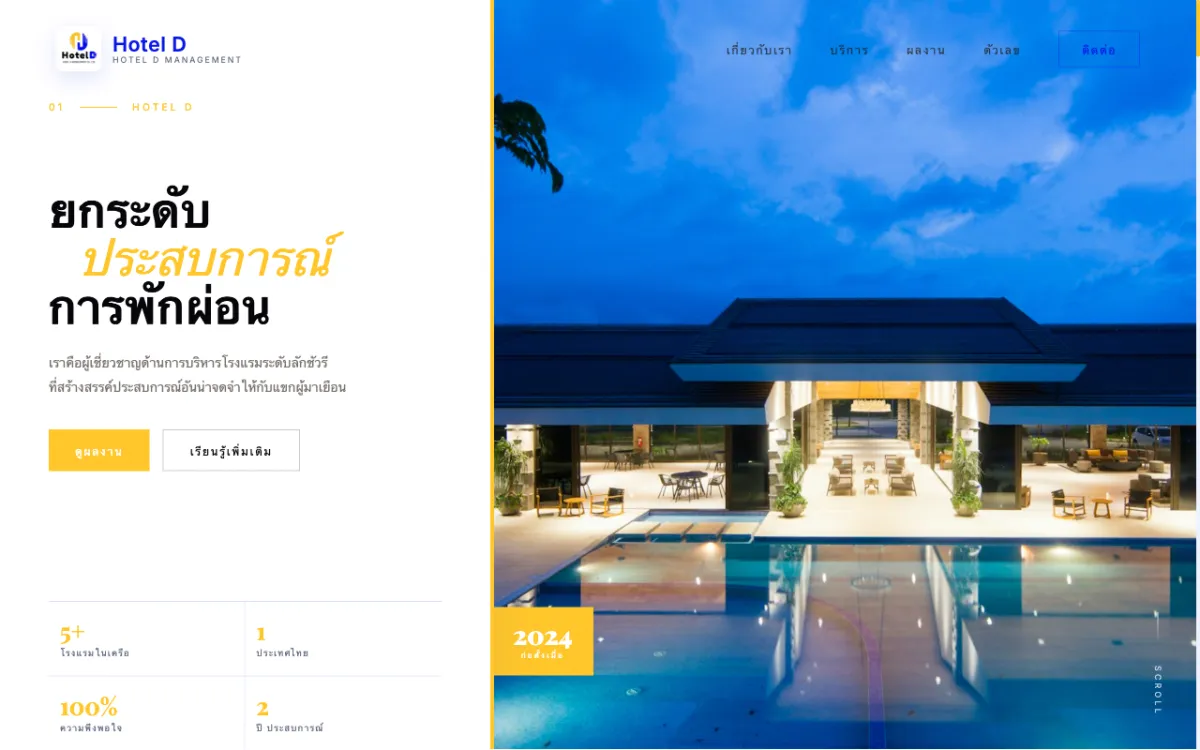
Corporate site for a full-service hotel-management firm serving properties across Thailand. Bilingual.
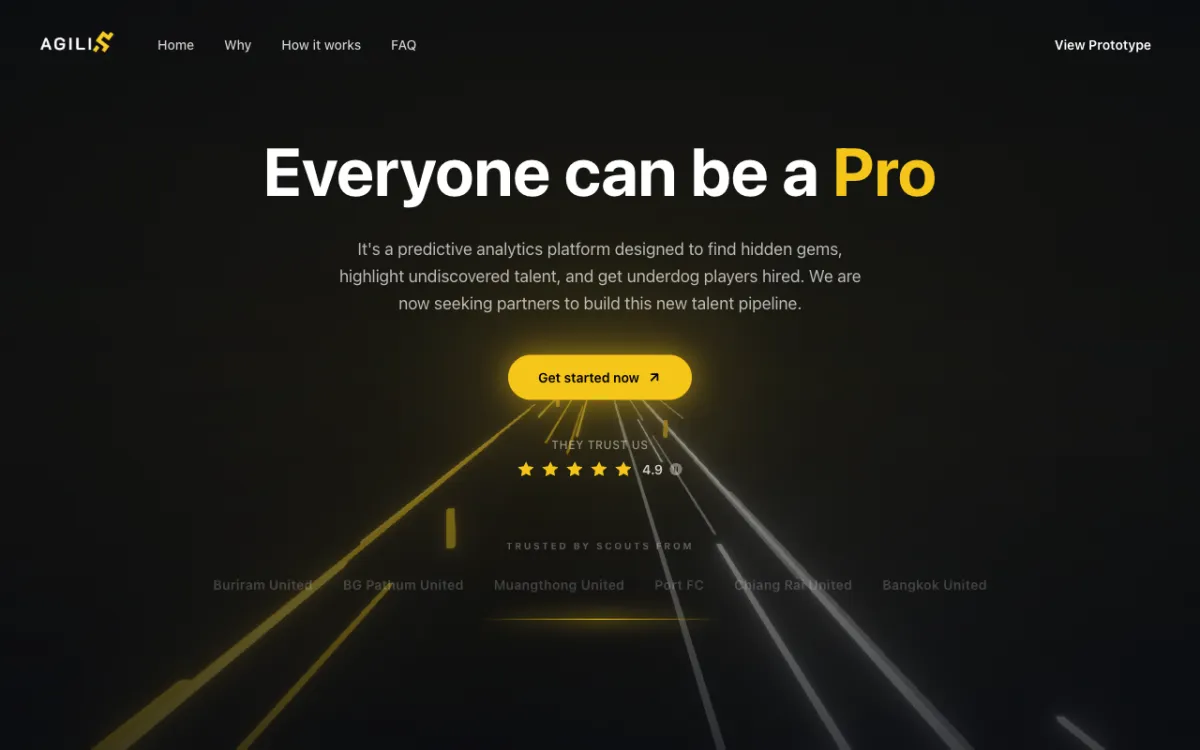
Football scouting platform (prototype stage) connecting players with scouts and clubs.
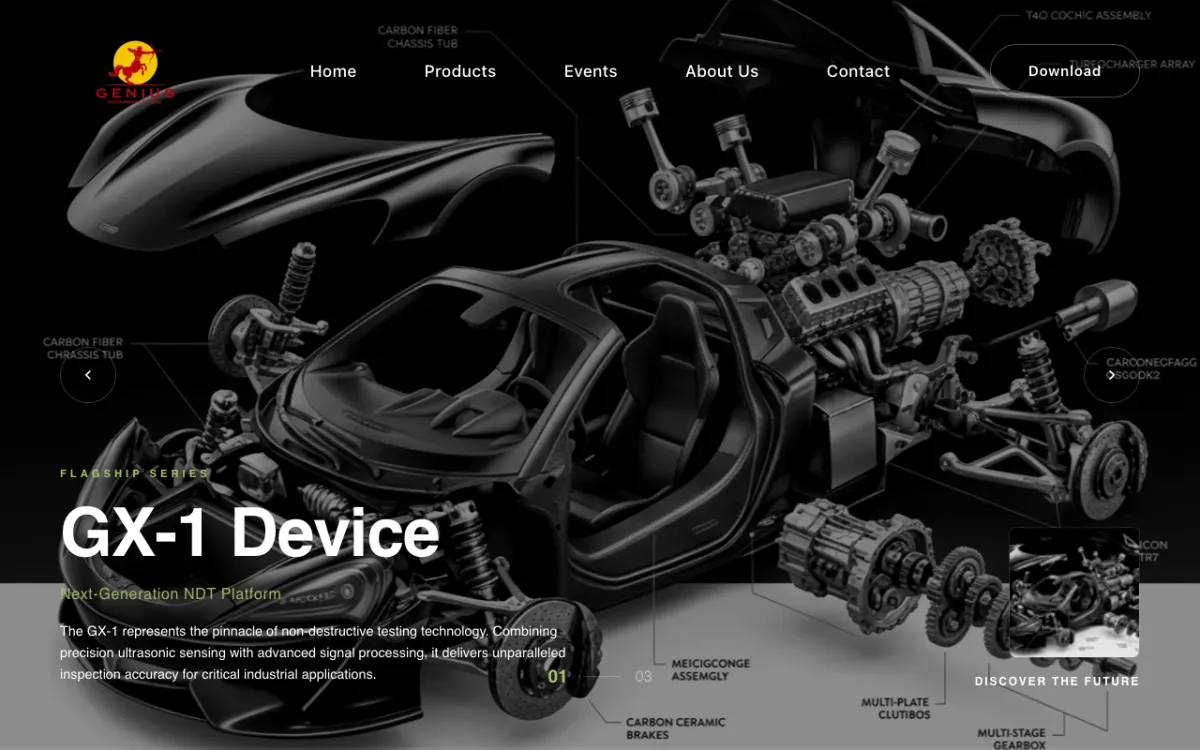
Product and services site for a supplier of NDT systems, coordinate measuring machines (CMM) and 3D scanners.
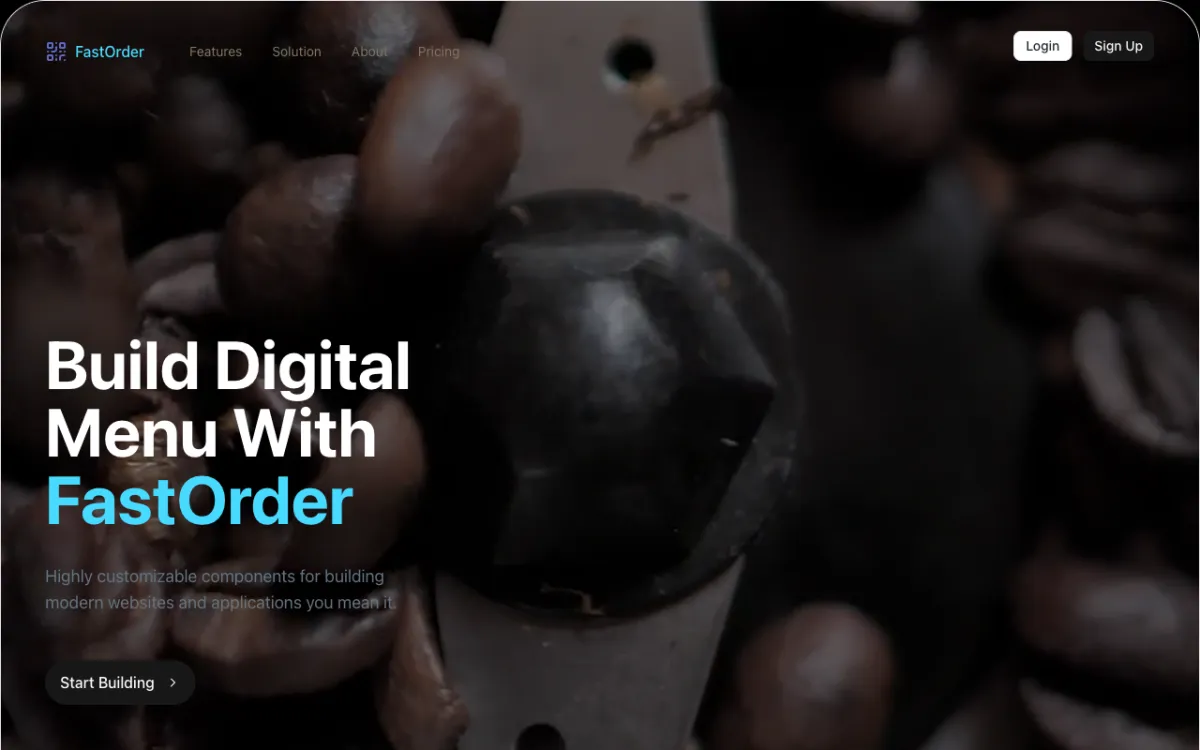
Digital-menu and QR order-management system for restaurants.
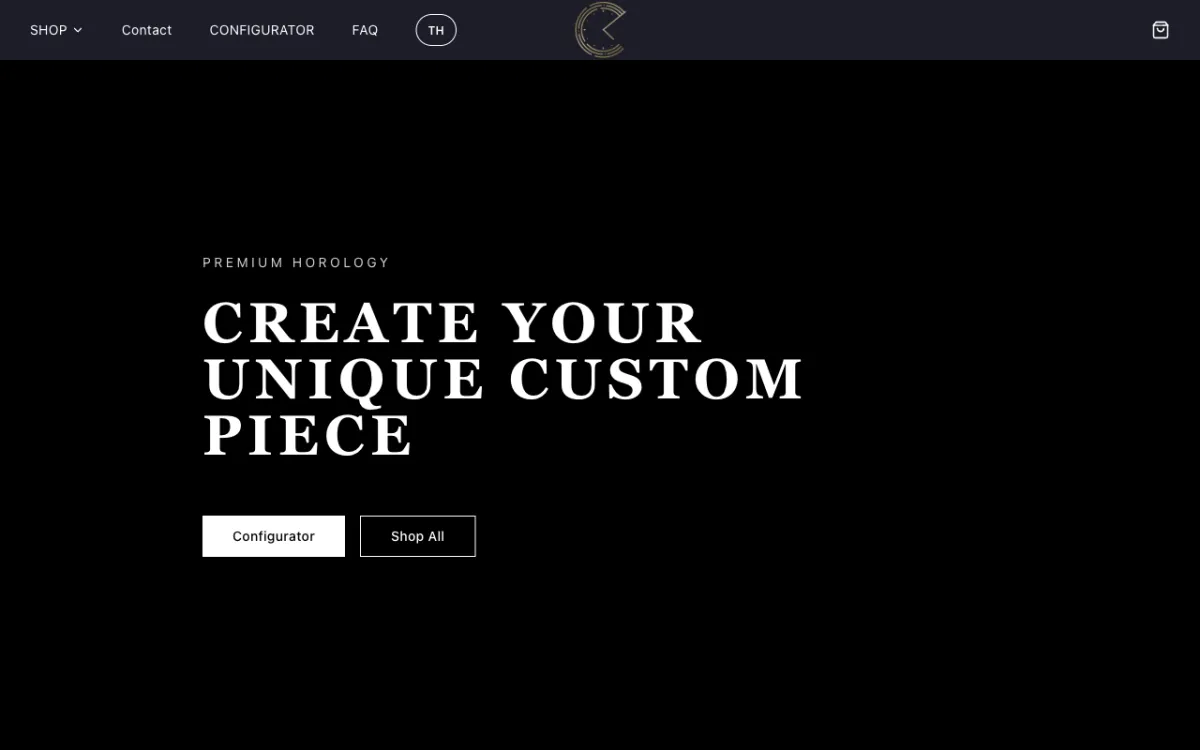
E-commerce store for custom Seiko mod watches with a configurator.
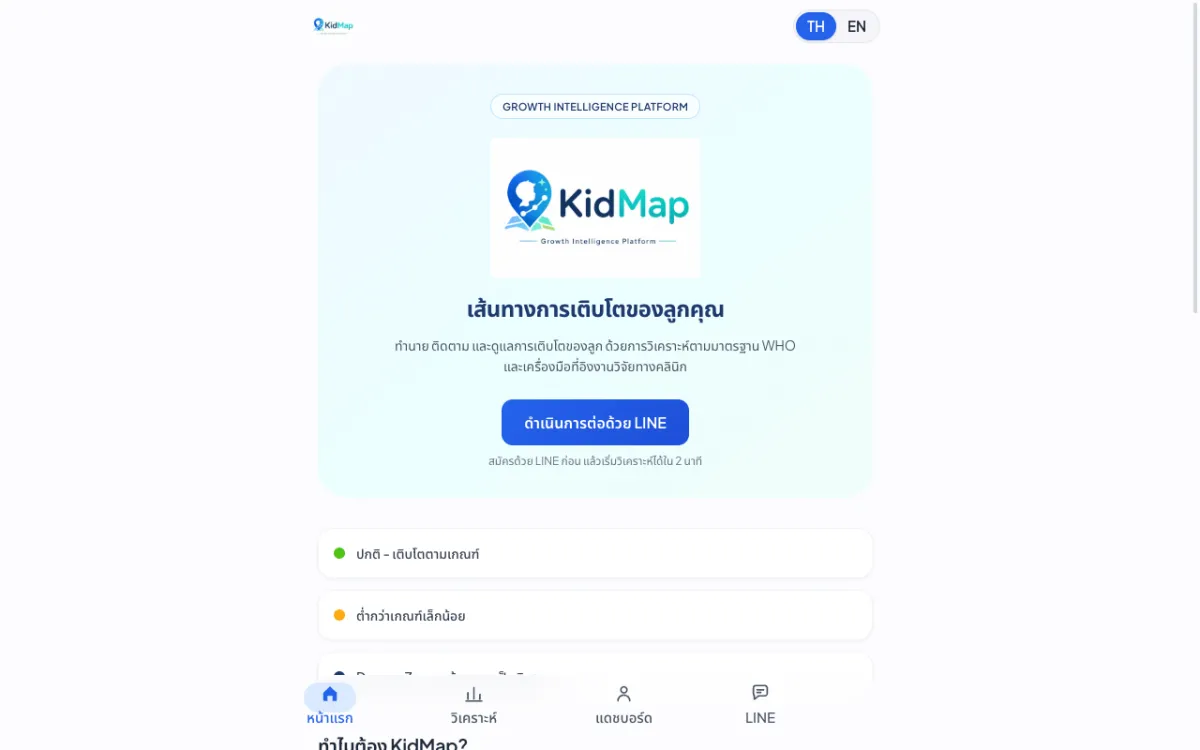
Platform that predicts and tracks children’s growth against WHO standards.
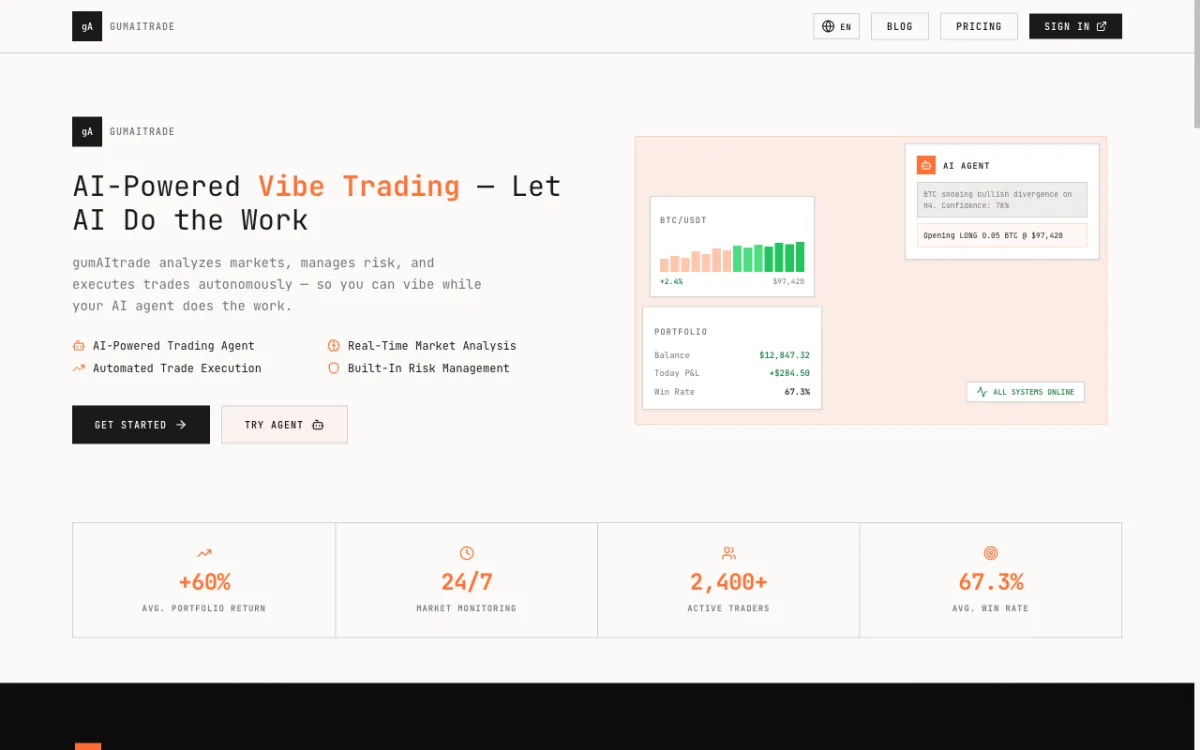
Product site for an AI crypto trading bot built around a “vibe trading” concept.
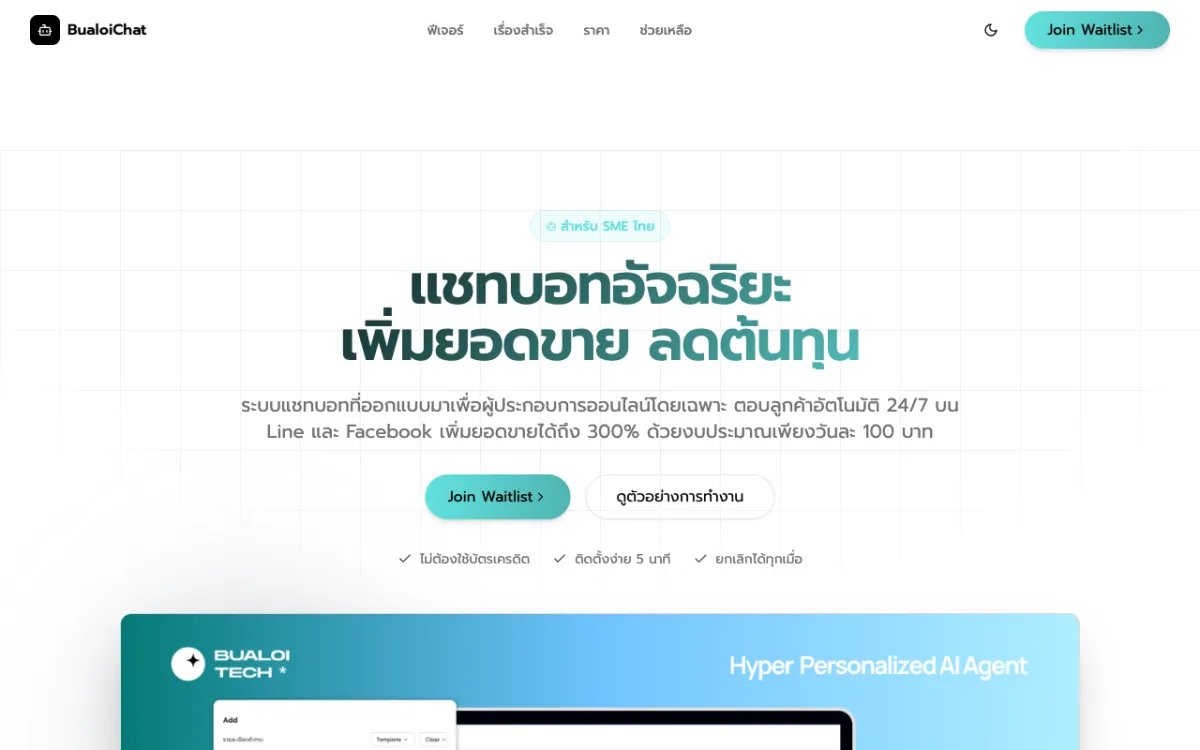
Pre-launch landing page for an AI chatbot service that answers SME customers on LINE OA and Messenger.
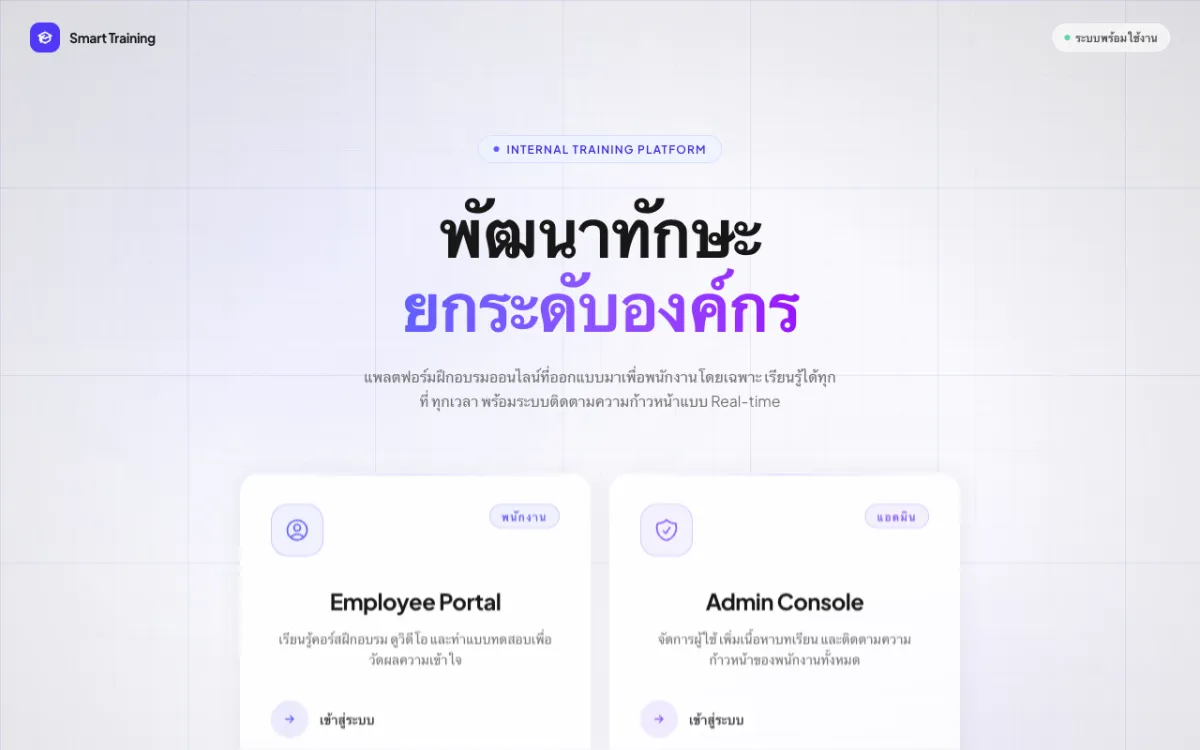
Internal employee training (LMS) with video courses and quizzes.
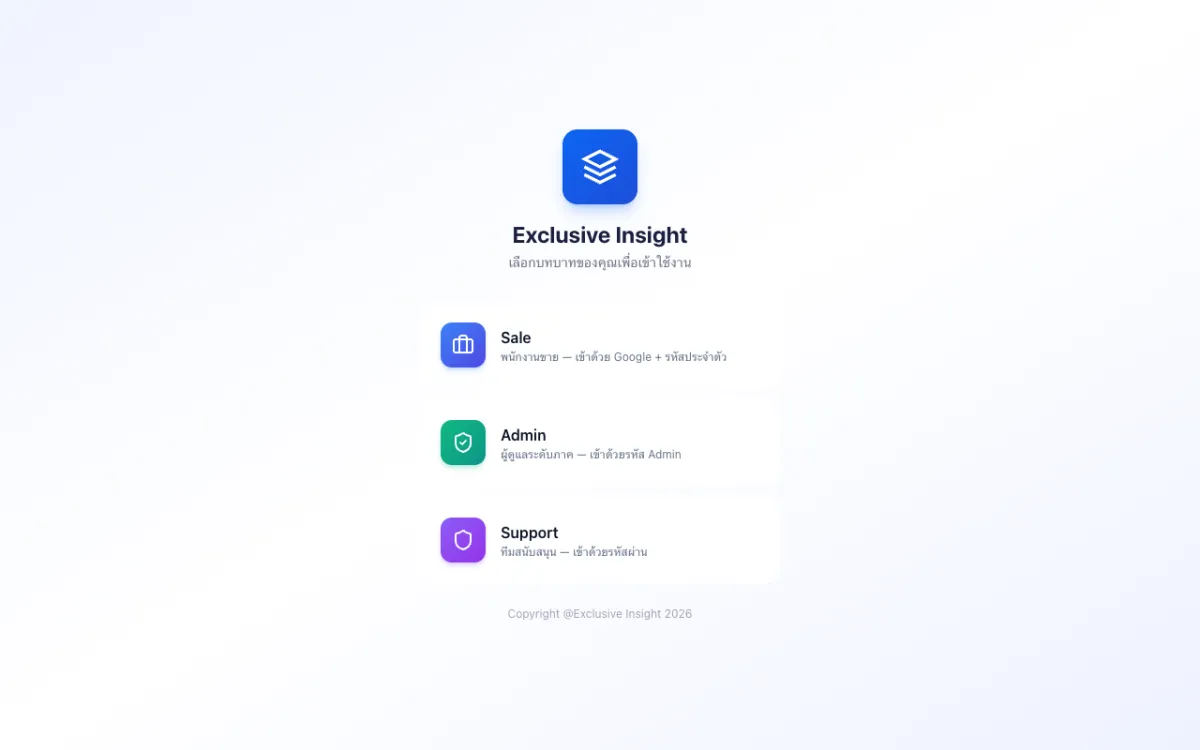
Role-based CRM with Sales, Admin and Support access.
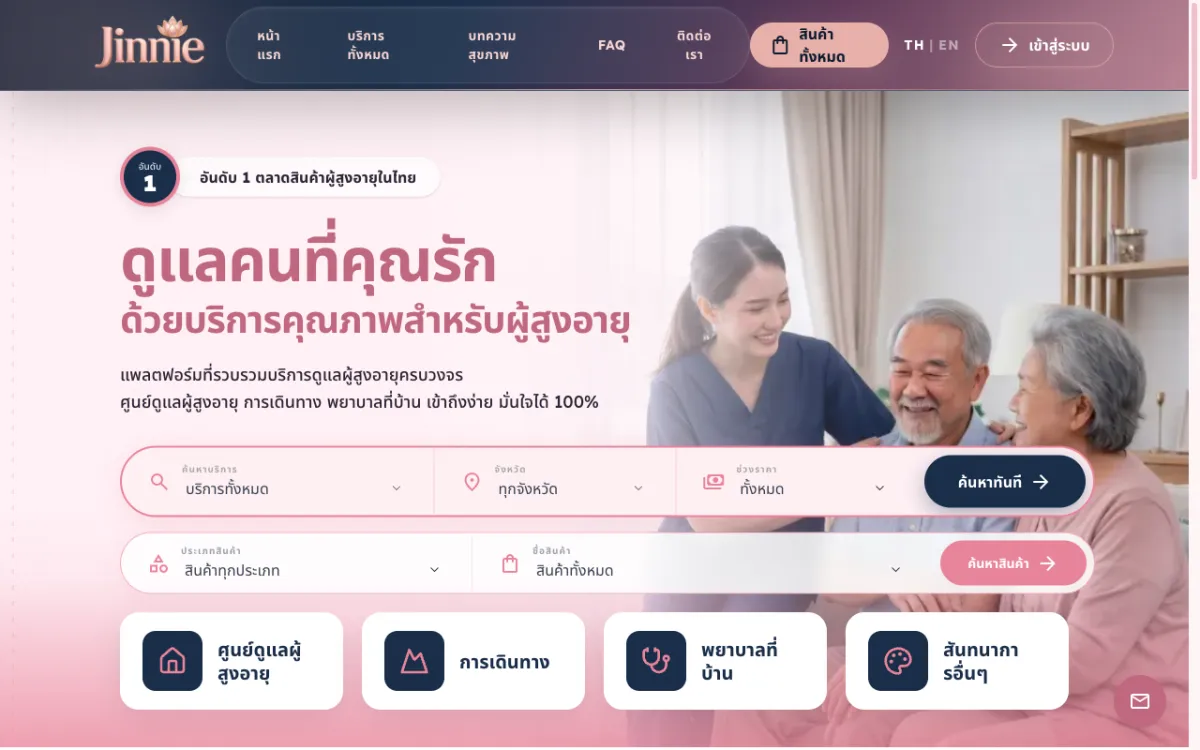
Platform to find and book elderly-care services across 12 categories from many providers.
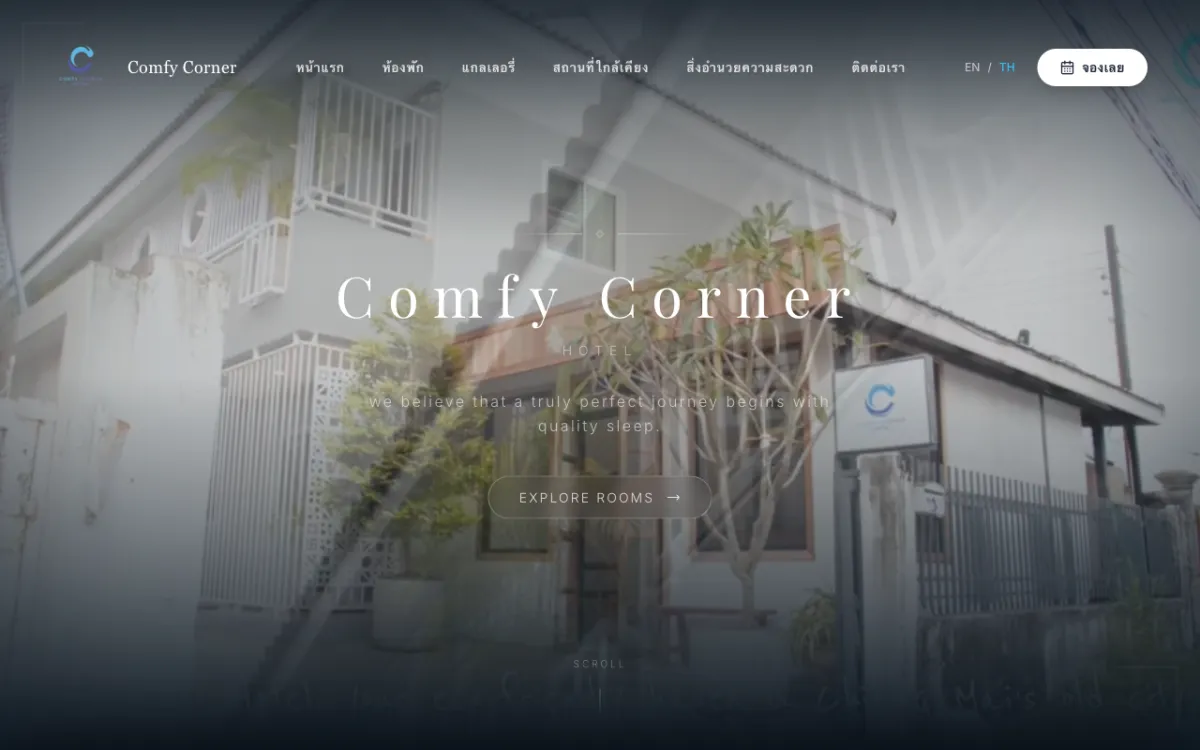
Booking site for a boutique budget hotel in Chiang Mai. Bilingual.

Private luxury pool-villa resort in Khao Yai; books via Agoda/Trip.com. Bilingual.

Khao Yai resort site with a “music meets nature” concept. Bilingual.

Site for a premium real-estate developer and home-builder. Bilingual.
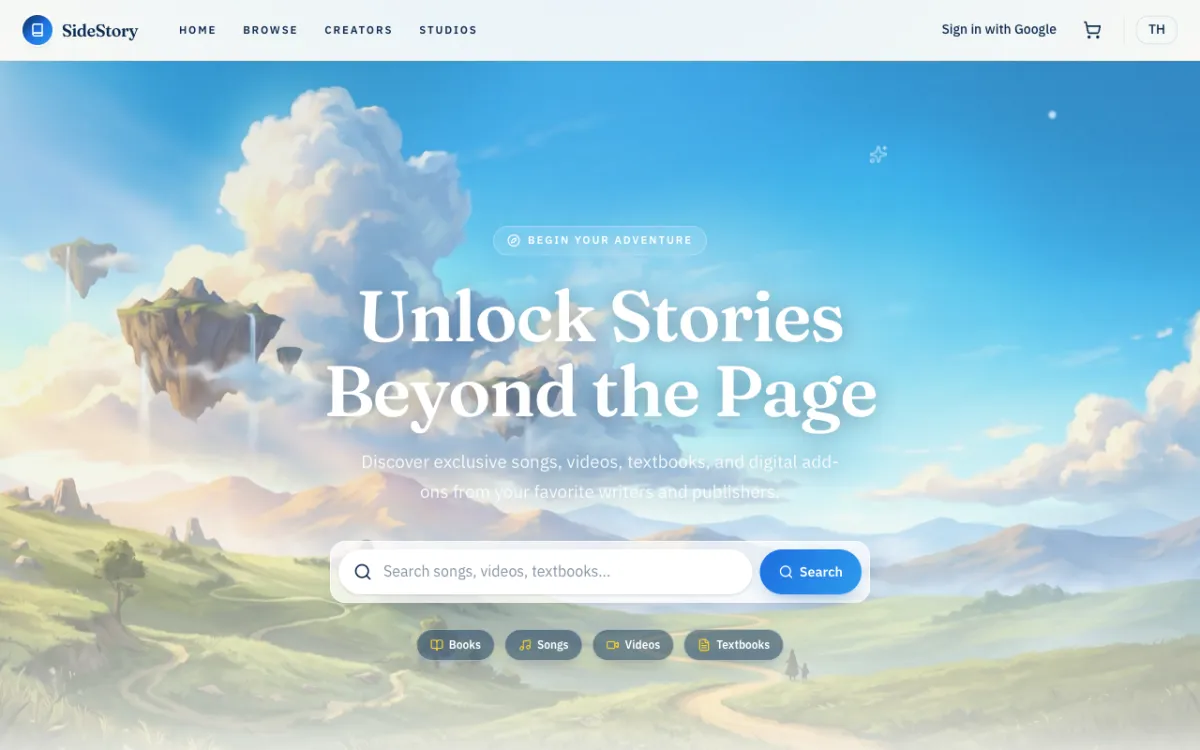
Digital-content marketplace for Thai writers and publishers.
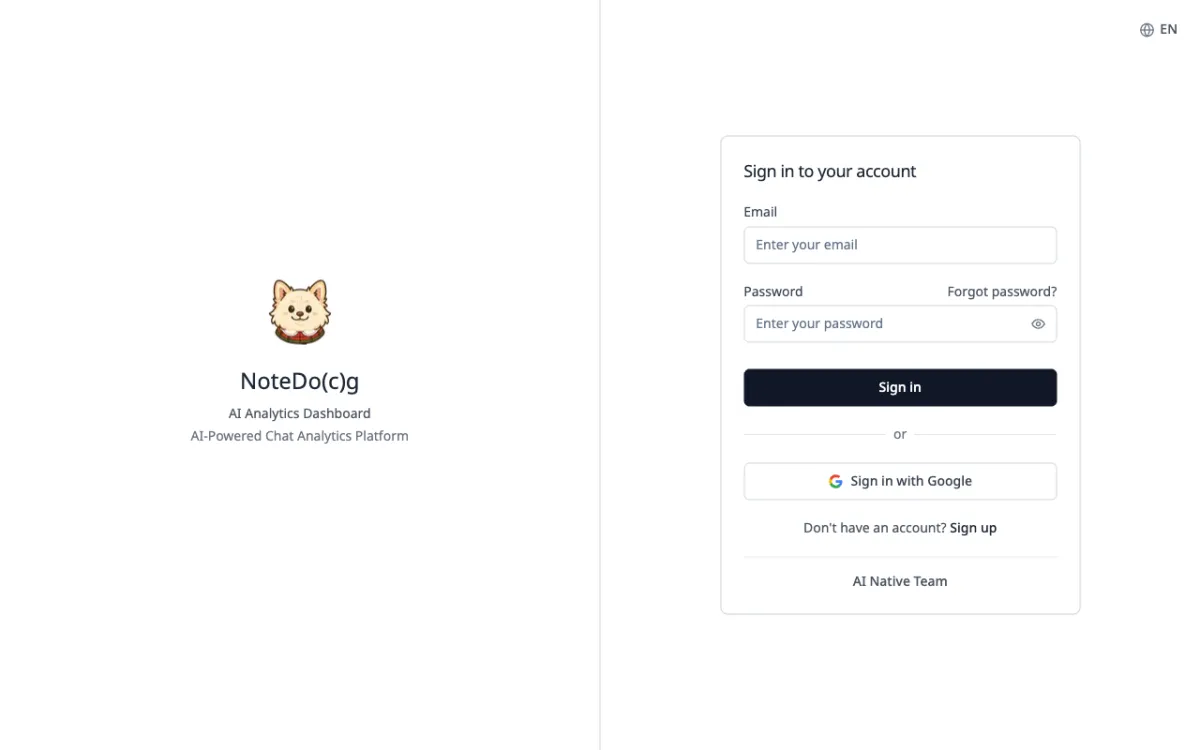
AI analytics for LINE Official Account group chats, with automatic conversation summaries.
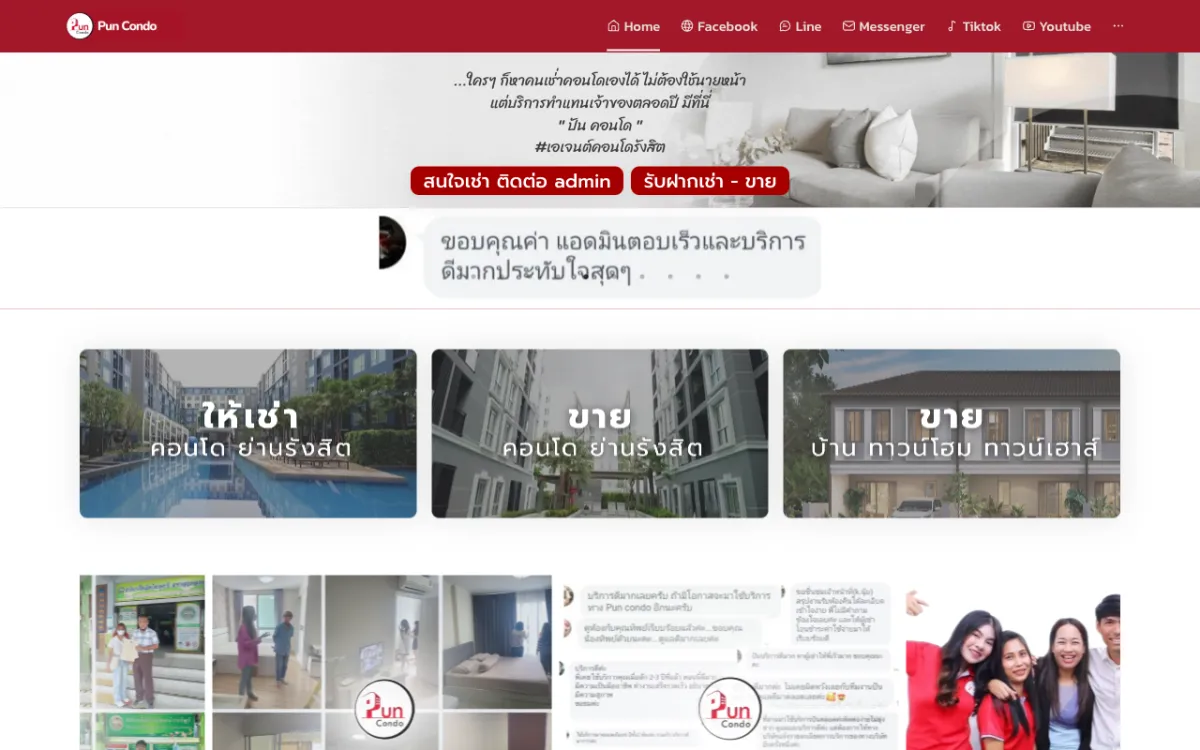
Real-estate platform with property listings and an admin back-office.
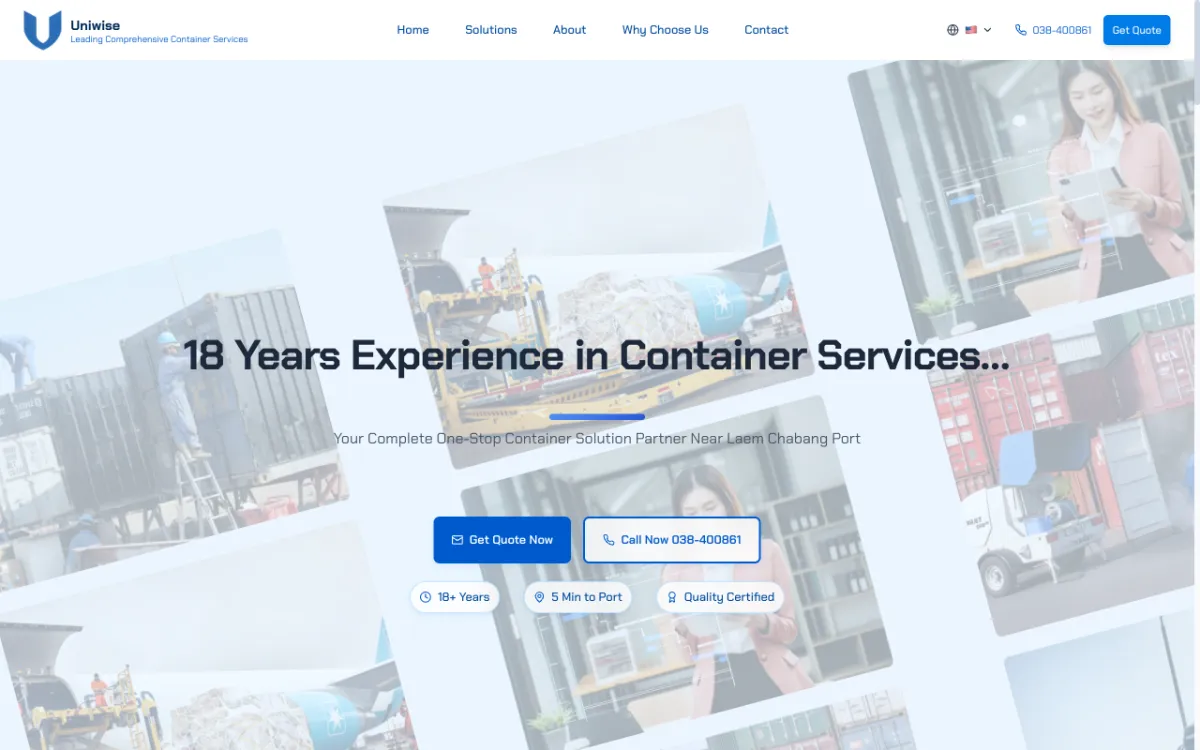
Site for a container yard near Laem Chabang Port. Thai, English and Chinese.
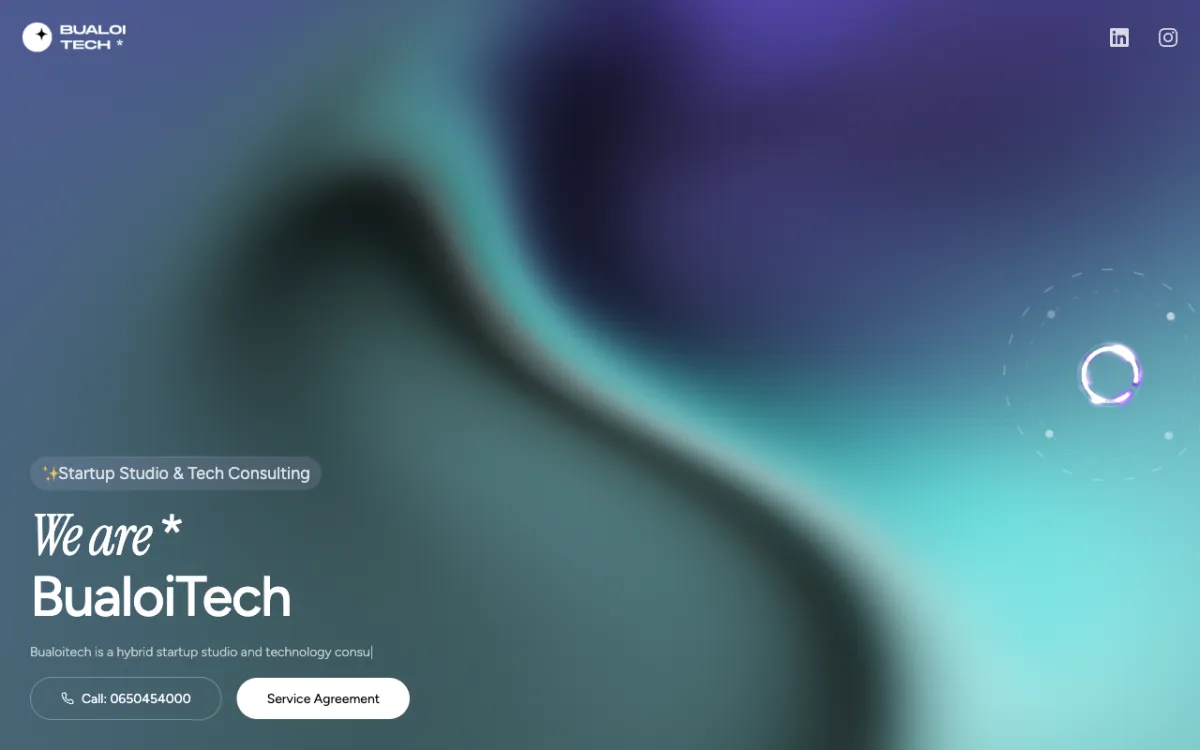
Landing page for a startup studio & tech consultancy focused on MVPs.
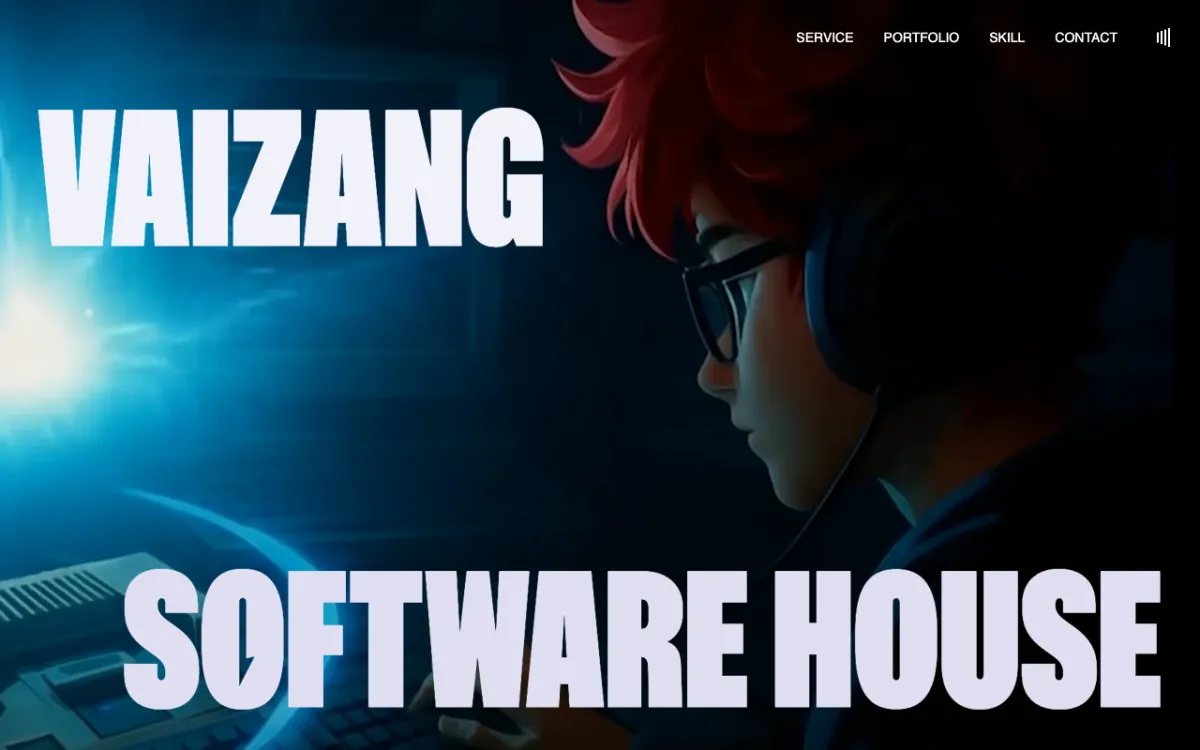
Brand site for a software house founded by Chula students, serving Thailand & ASEAN.
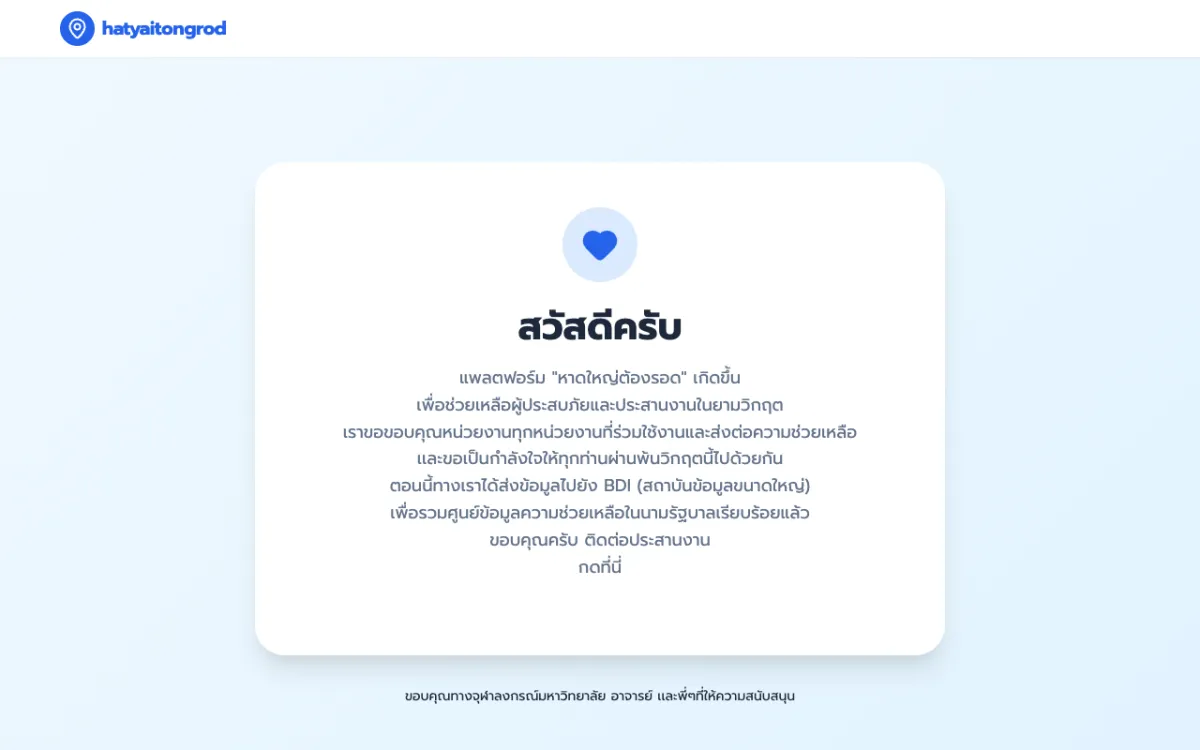
Crisis web app that served 1,000,000+ concurrent users during the Hat Yai floods.
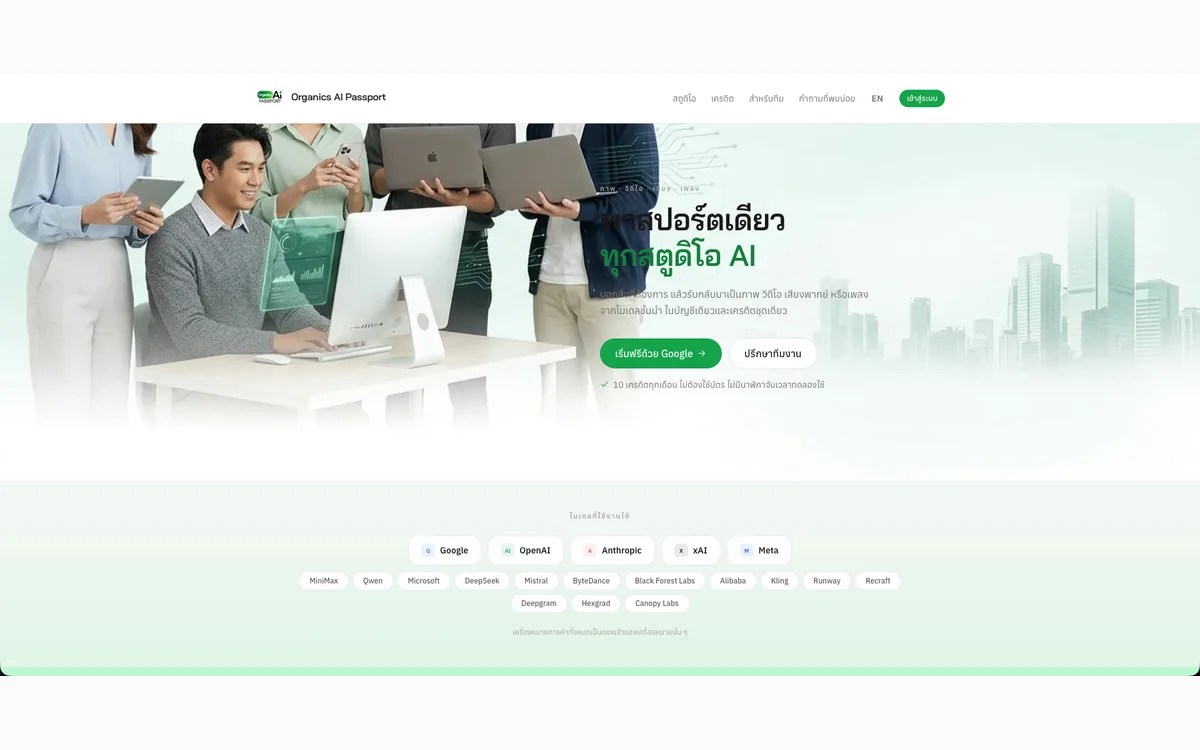
One account to generate images, video, voiceovers and music with AI, metered by a single credit balance.
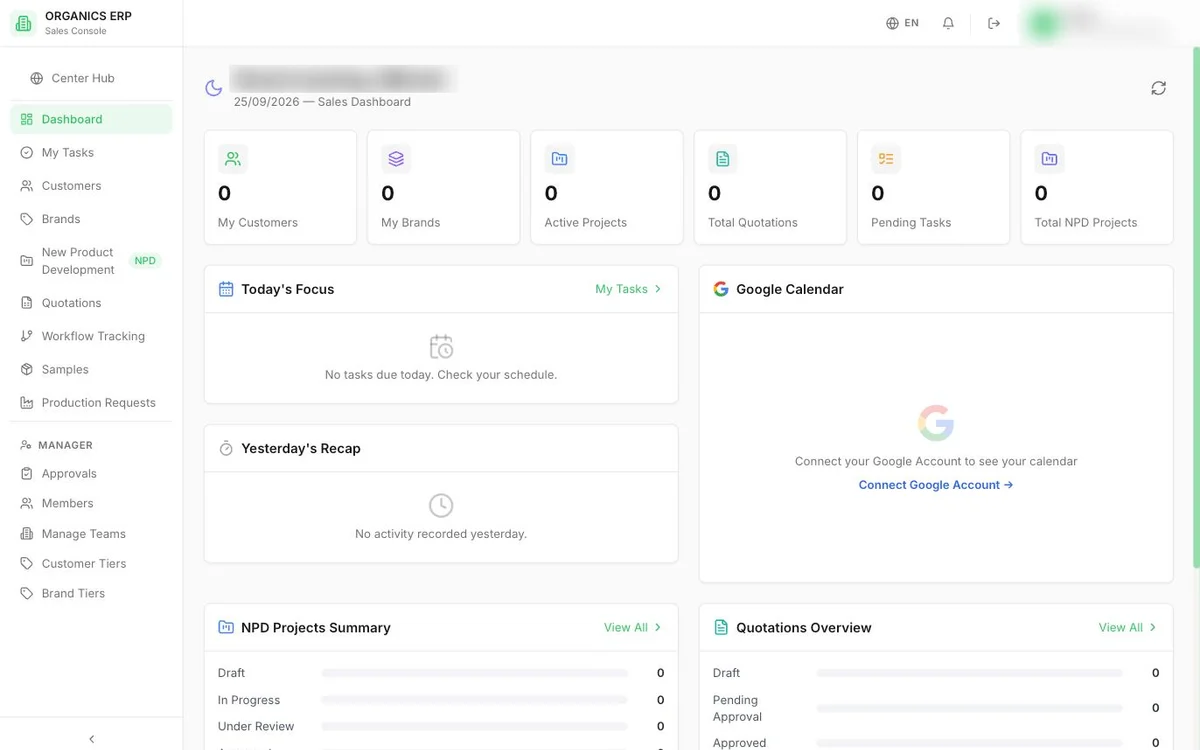
Department-by-department ERP for a cosmetics manufacturer, covering sales, procurement, production, warehouse and finance.
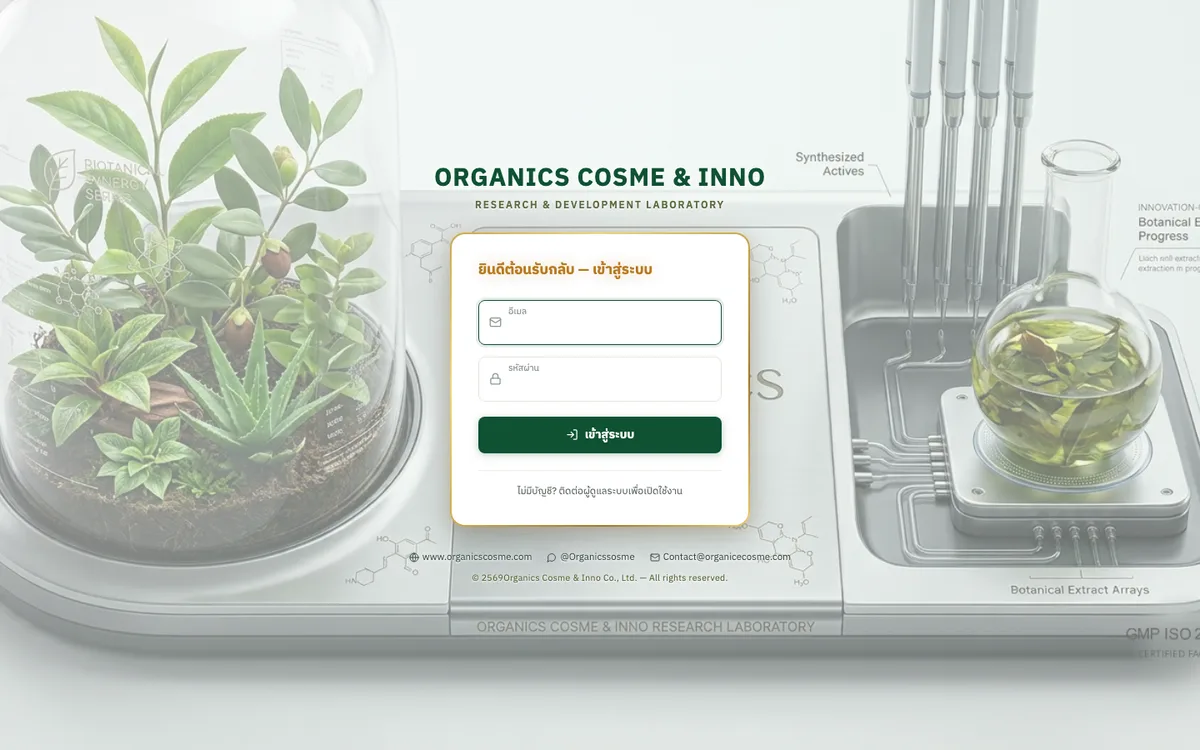
Sales brief system that carries an OEM product brief from intake through quotation to delivery tracking.
AI workspace for a cosmetics R&D team to find ingredients, check stock, and draft, cost and revise formulas.
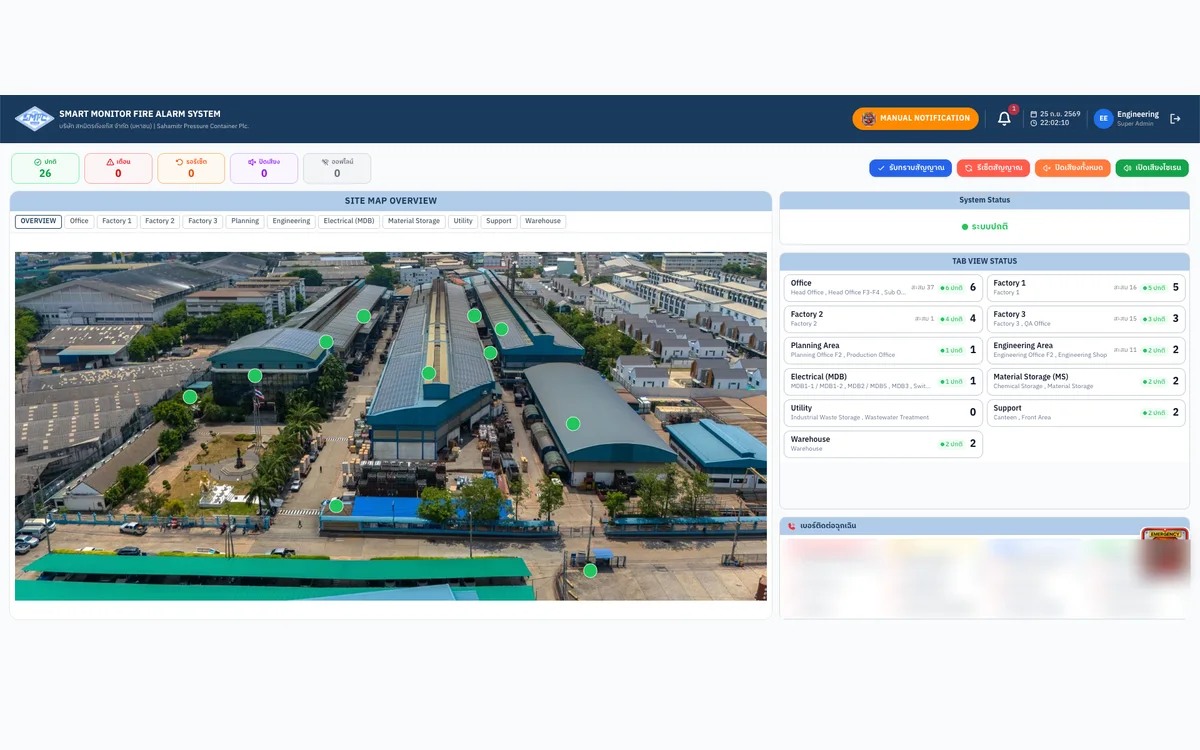
Real-time fire-alarm monitoring web app for a factory, wired directly to its PLC.
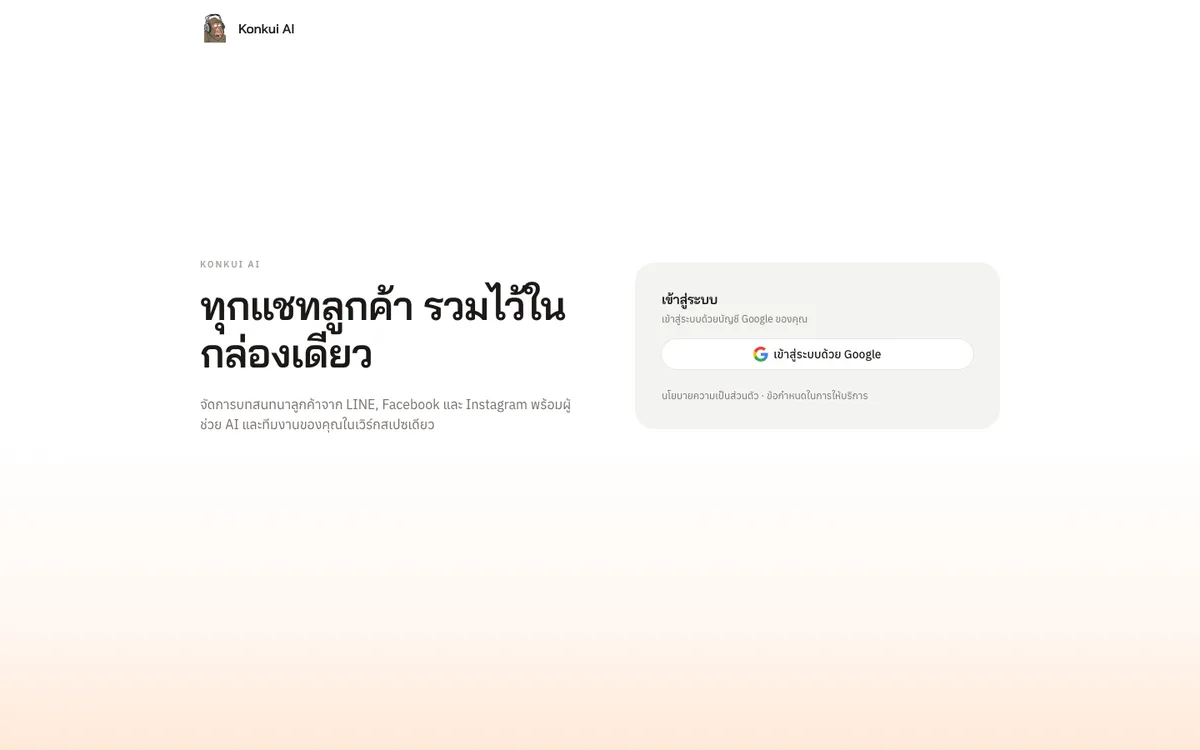
One inbox for LINE, Facebook and Instagram customer chats, with an AI Assistant that answers first and hands off to the team.
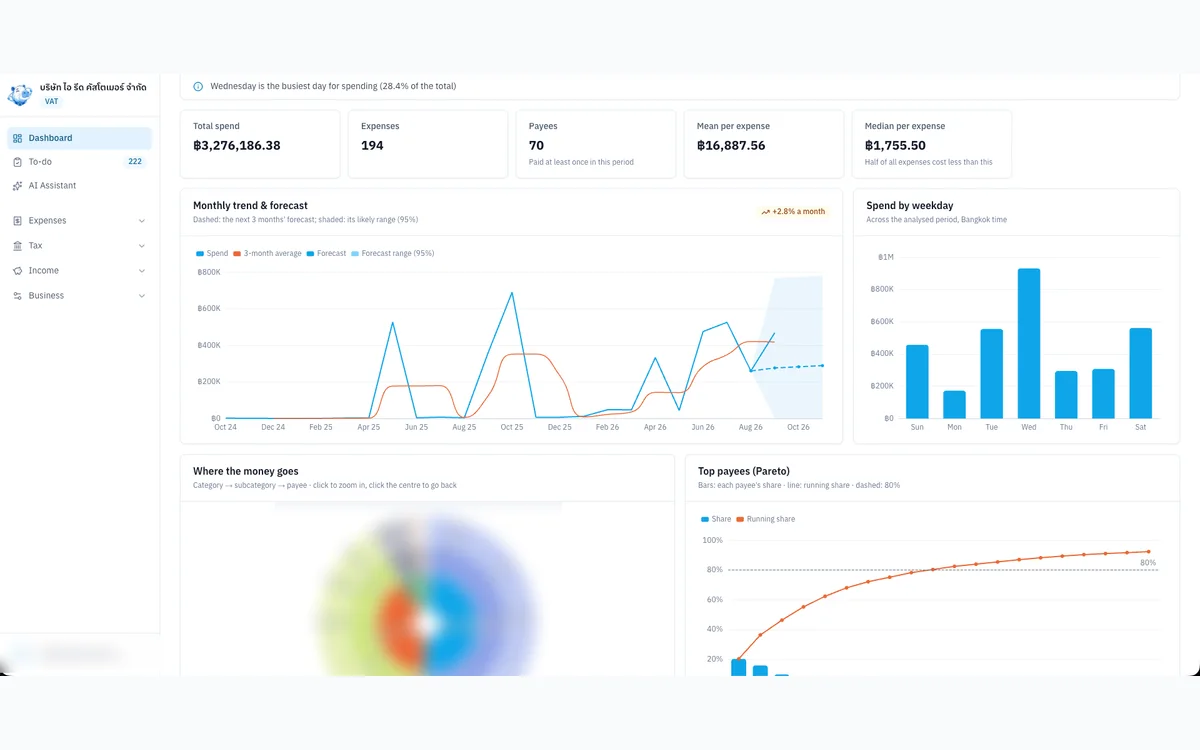
Internal tool that organises expense evidence, input VAT and P.P.36 for a VAT-registered Thai company.
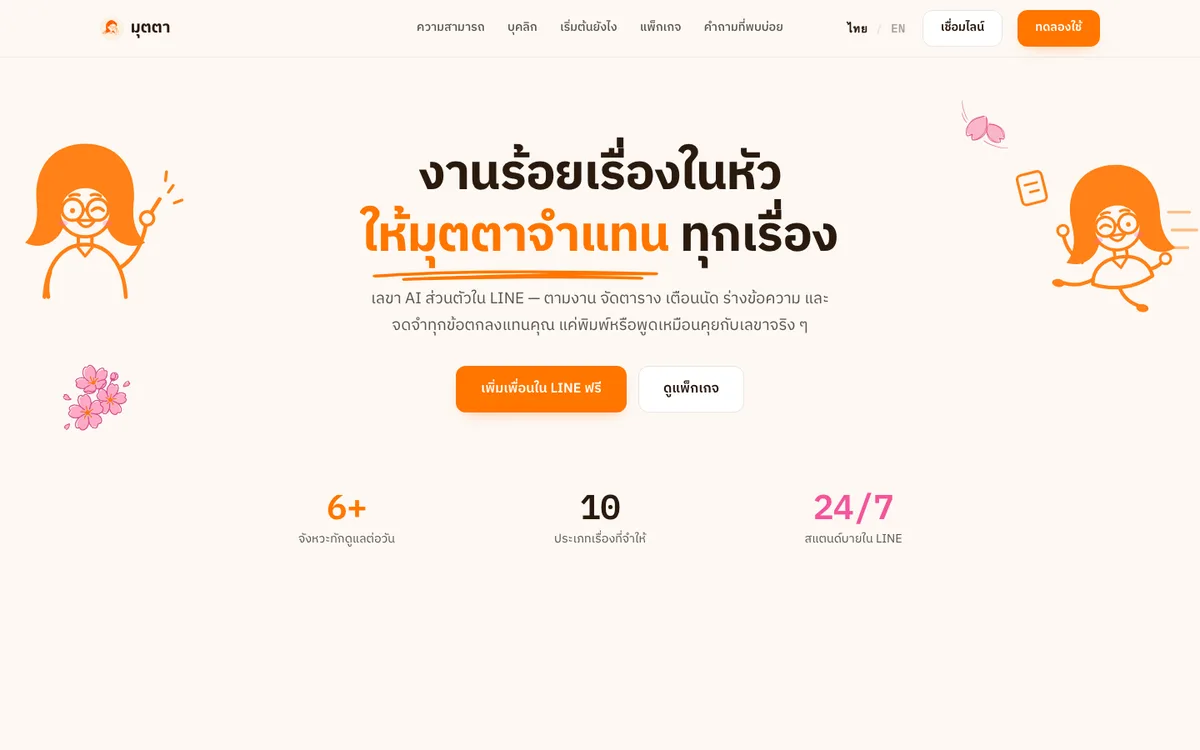
An AI personal secretary in LINE that chases follow-ups, keeps your schedule, drafts messages and remembers every agreement.
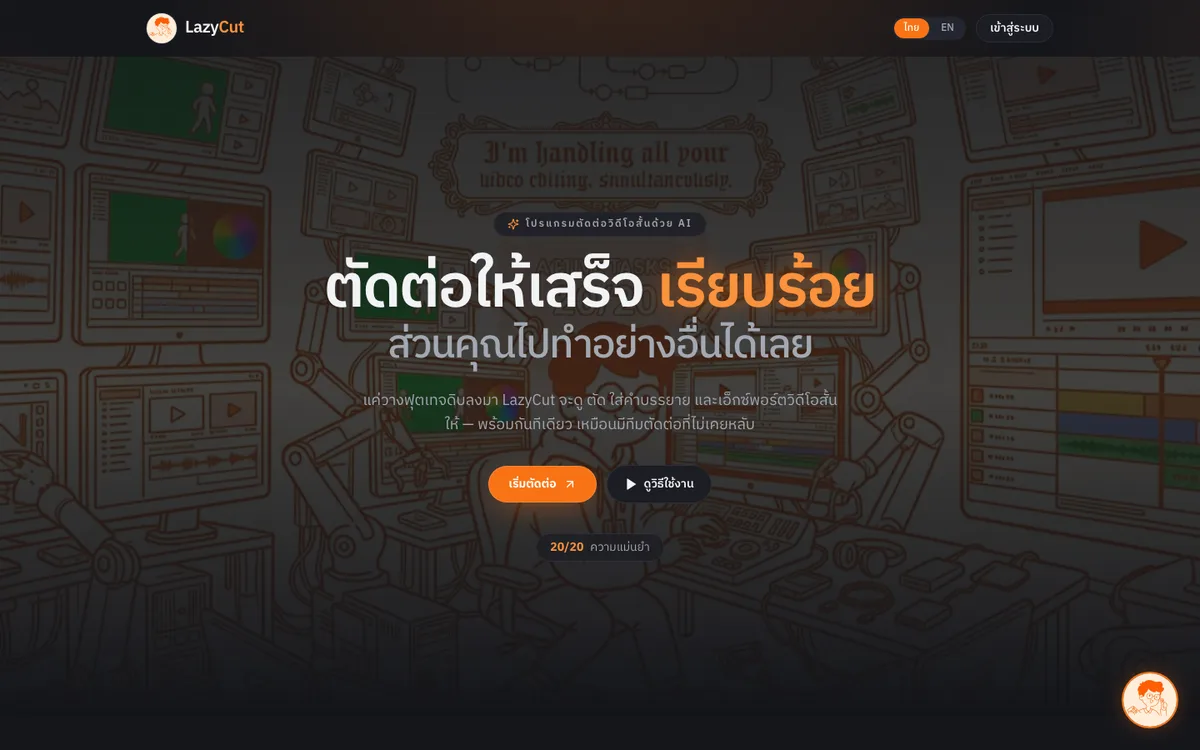
AI short-form video editor that cuts dead air, adds captions and exports ready-to-post clips.
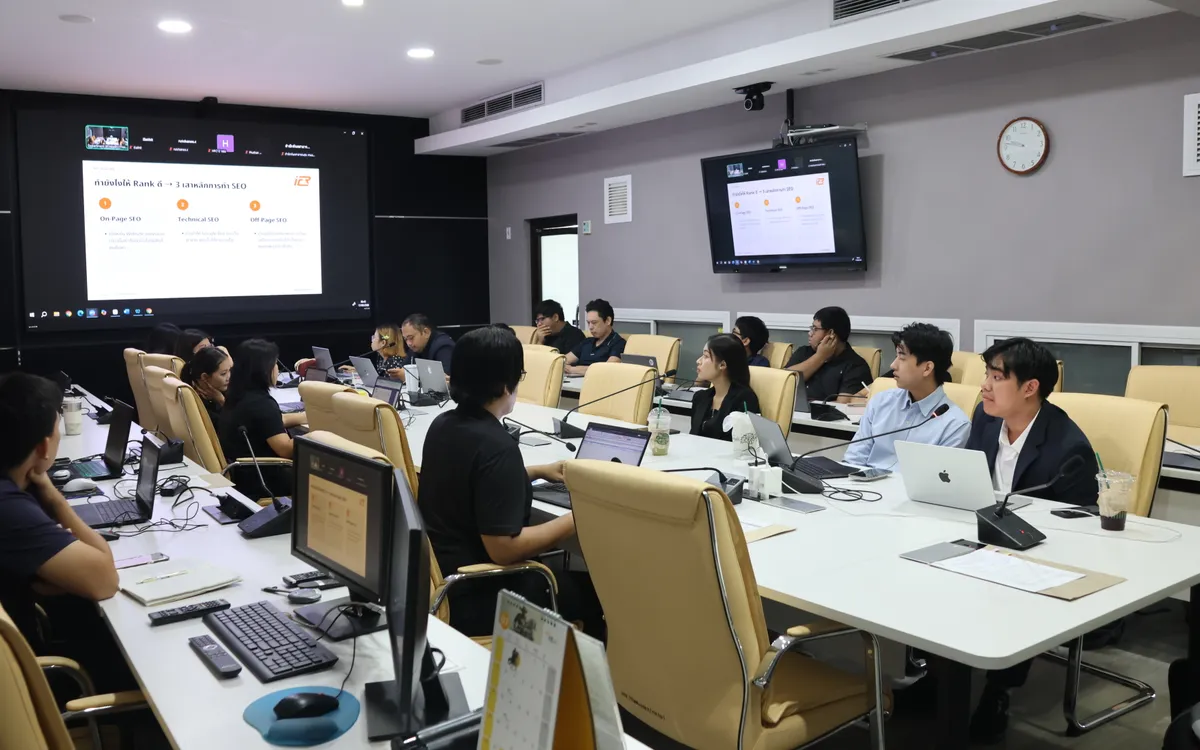
Onsite training and hands-on workshop (09:30–16:00) that helps the Department of Health’s web teams make articles easier for Google and AI search to find, understand and cite.
Contact Us